
LONGYAO COUNTY XURI FOOD CO.,LTD.

Oct . 27, 2025 12:10 Back to list
Chili Pepper Crushed - Premium Heat, Fresh Aroma, Bulk
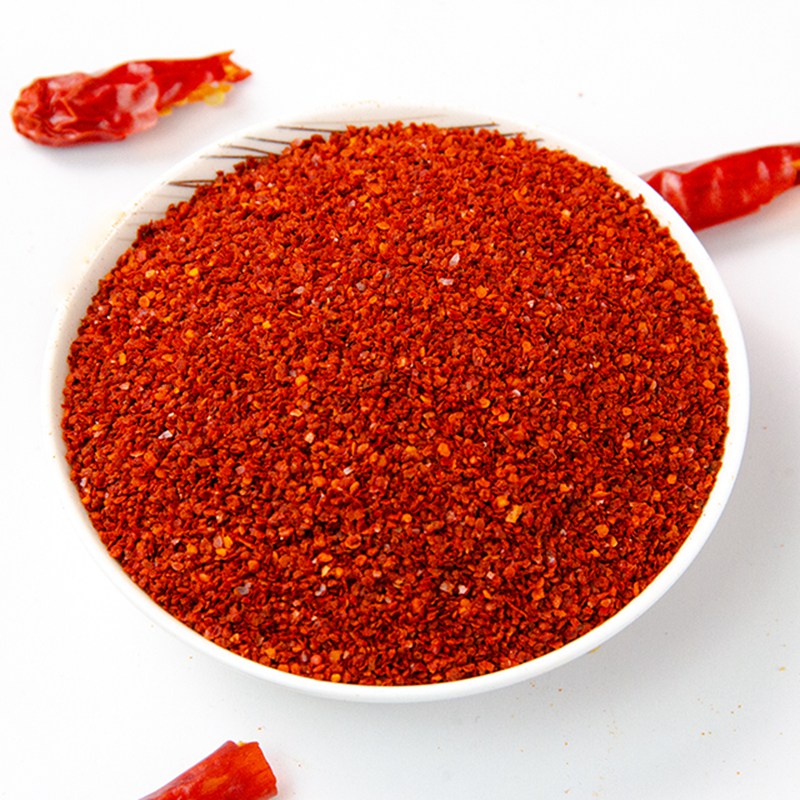
chili crushed-10,000SHU: a practical buyer’s guide from the factory floor
If you’ve ever chased reliable heat without blowing out flavor, you’ve already gone hunting for Chili Pepper Crushed. This batch—chili crushed-10,000SHU—comes from SOUTH OF ROAD, 2 KMS EAST OF LONGYAO COUNTY, HEBEI CHINA, and it’s the kind of tidy, honest product I keep seeing spec’d by snack plants, meal-kit brands, and craft sauce makers. Consistent burn, vivid red, zero additives. Actually, that last part matters more than people think.
Industry snapshot (and why 10,000 SHU is having a moment)
Spice buyers tell me the “medium-hot but flexible” tier is the safest spec across global launches. 10k SHU sits right there: hot enough for chili oil and rubs, gentle enough for mass-market snacks. Trends? Cleaner labels, better traceability, and particle-size control for application efficiency. To be honest, consistent color and moisture are what save line downtime.
Product specifications (lab-facing but kitchen-friendly)
| Product Name | chili crushed-10,000SHU (Chili Pepper Crushed) |
| Heat (Scoville) | ≈10,000 SHU (real-world use may vary by matrix) |
| Color (ASTA) | ≈80–120 typical |
| Moisture | ≤12% |
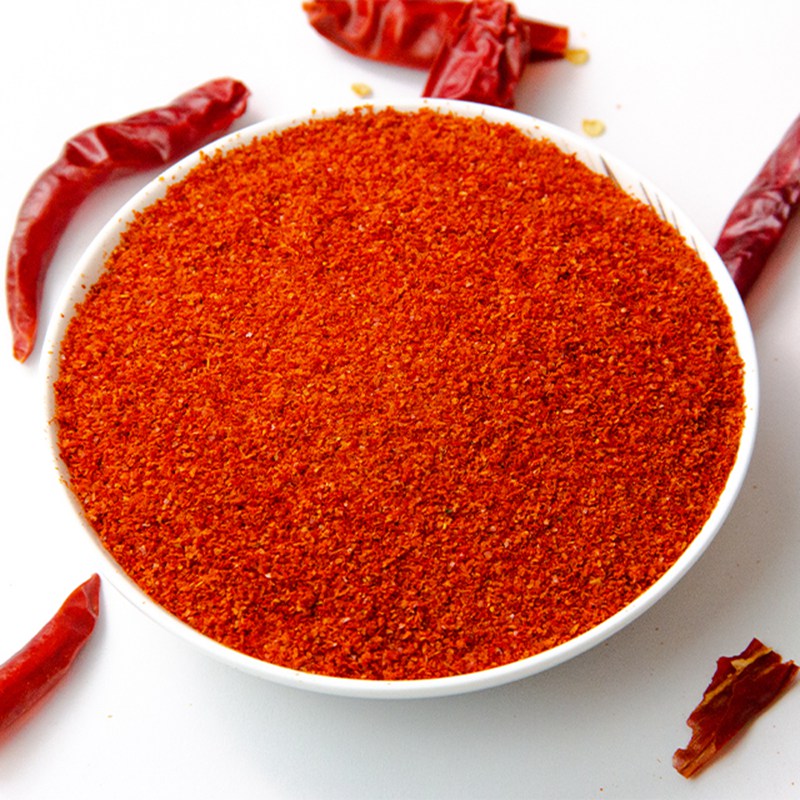
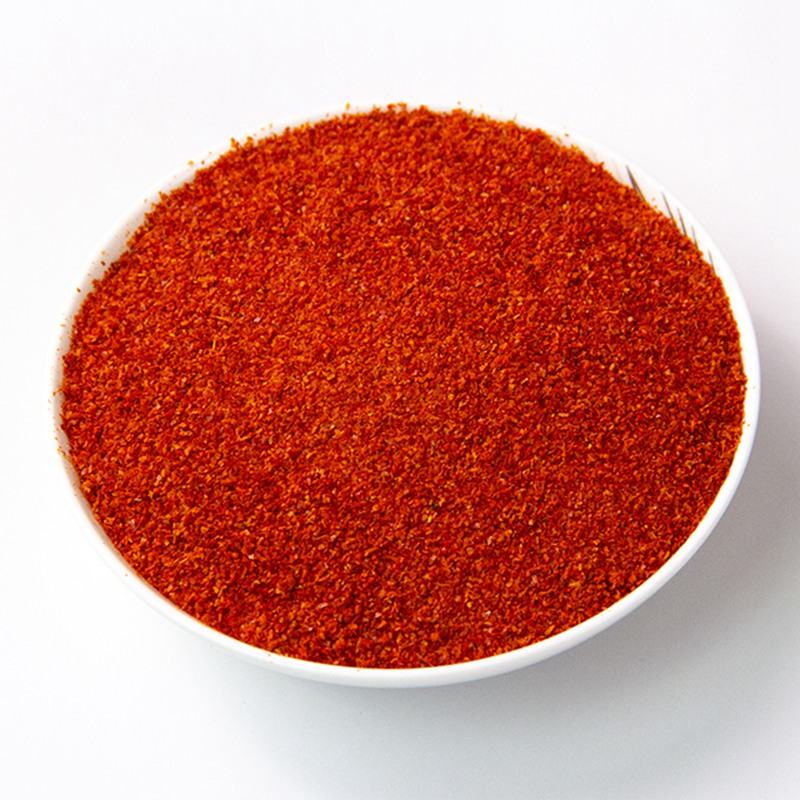
| Particle Size | Customizable: fine (0.5–1 mm), standard (1–3 mm), coarse (3–5 mm) |
| Ingredients | 100% dried red chili peppers; no additives |
| Packaging | PE-lined kraft bag 25 kg; retail pouches 0.5–1 kg; private label available |
| Shelf Life | 18–24 months in cool, dry conditions, |
| Typical Micro | TPC ≤10⁵ CFU/g; Yeast/Mold ≤10³ CFU/g; Salmonella: absent/25 g |
| Certifications | ISO 22000 / HACCP / Halal / Kosher (availability may vary by lot) |
How it’s made (process flow at a glance)
Raw material selection → sun/air-dried red chilies → destemming & sorting → metal detection → controlled crushing → sieving by particle band → color sorting → heat treatment (steam/thermal) → blending to spec (≈10k SHU) → moisture check → final QA → packing. Testing references commonly include ASTA pungency/HPLC for capsaicinoids, AOAC for moisture, ISO 4833/21527 for micro, and aflatoxin screening aligned with Codex/GB or EU MRLs.
Applications and advantages
- Snack coatings and bakery toppings: predictable heat, good adhesion.
- Sauces, chili oils, ramen kits: clean label, bright color.
- Foodservice prep: rubs for grilled meats, pizza finishing, stir-fry stations.
Why teams pick this Chili Pepper Crushed: consistent SHU, customizable size, and, surprisingly, better yield during mixing because fewer fines drift. Many customers say the color holds well during mild thermal processing.
Vendor comparison (what buyers actually check)
| Criterion | Xuri chili crushed-10,000SHU | Supplier A | Supplier B |
|---|---|---|---|
| Heat consistency | ±10% SHU blending | ±15–20% | ±15% |
| Moisture control | ≤12% typical | ≤13% | ≤12.5% |
| Sterilization | Steam/thermal, batch records | Thermal only | Varies |
| Particle-size options | Fine/Std/Coarse, custom | Limited | Std only |
| Traceability | Lot-level farm region | Lot-level | Basic |
Customization and testing
Options include heat bands (≈5k–20k SHU), color tuning, particle size, and retail/private-label packs. Test packages often cover SHU via HPLC, moisture (AOAC), micro (ISO 4833/21527), Salmonella absence, and aflatoxins aligned with Codex/EU thresholds. Certificates like ISO 22000, HACCP, Halal/Kosher are typically available on request per lot.
Real-world case notes
- Snack brand cut seasoning variance by ~12% after switching to tighter particle banding.
- Ghost-pepper hot sauce line uses this Chili Pepper Crushed for mid-heat sku; reports fewer color complaints post-pasteurization.
- Pizza chain rolled out table shakers using coarse grade; customers mentioned “brighter heat” (their words, not mine).
Buying tips
Ask for the latest COA, micro and mycotoxin results, SHU tolerance, and moisture controls. Verify heat treatment method and whether color is measured against ASTA. Storage matters: cool, dry, sealed. It seems basic, but it’s where most losses happen.
Authoritative references
- ASTA Analytical Methods for Pungency (HPLC) and Color.
- ISO 22000: Food safety management systems – Requirements.
- Codex Alimentarius: General Standard for Contaminants and Toxins in Food and Feed; spices guidance.
- EN/ISO microbiological standards: ISO 4833 (TPC), ISO 21527 (Yeast/Mold), ISO 6579 (Salmonella).
- FAO/ITC market reports on global spice trade trends and quality parameters.
-
Discover Famous Paprika Powder Made Of: Origins, Quality & Global Uses
NewsDec.03,2025
-
Discovering Famous Spicy Pepper Powder: Global Uses, Benefits & Trends
NewsDec.03,2025
-
Understanding Famous Mild Dried Chilis: Global Uses, Benefits & Varieties
NewsDec.03,2025
-
Comprehensive Guide to ODM Ground Red Chilis: Quality, Applications & Trends
NewsDec.02,2025
-
Comprehensive Guide to odm Whole Red Chili: Quality, Applications & Global Impact
NewsDec.02,2025
-
Comprehensive Guide to odm Dried Red Chili Pods – Quality, Uses & Trends
NewsDec.02,2025
 Afrikaans
 Albanian
 Amharic
 Arabic
 Armenian
 Azerbaijani
 Basque
 Belarusian
 Bengali
 Bosnian
 Bulgarian
 Catalan
 Cebuano
 Corsican
 Croatian
 Czech
Czech
 Danish
 Dutch
Dutch
 Esperanto
 Estonian
 Finnish
 French
 Frisian
 Galician
 Georgian
 German
 Greek
Greek
 Gujarati
 Haitian Creole
 Hausa
Hausa
 Hawaiian
 Hebrew
 Hindi
Hindi
 Miao
Miao
 Hungarian
 Icelandic
 Igbo
Igbo
 Indonesian
 Irish
Irish
 Italian
 Japanese
 Javanese
 Kannada
 Kazakh
 Khmer
Khmer
 Rwandese
 Korean
 Kurdish
 Kyrgyz
 Lao
Lao
 Latin
Latin
 Latvian
 Lithuanian
 Luxembourgish
 Macedonian
 Malgashi
 Malay
Malay
 Malayalam
 Maltese
 Maori
Maori
 Marathi
 Mongolian
 Myanmar
 Nepali
 Norwegian
 Norwegian
 Occitan
 Pashto
 Persian
 Polish
 Portuguese
 Punjabi
 Romanian
 Russian
 Samoan
 Scottish Gaelic
 Serbian
 Sesotho
 Shona
Shona
 Sindhi
 Sinhala
 Slovak
 Slovenian
 Somali
 Spanish
 Sundanese
 Swahili
 Swedish
 Tagalog
 Tajik
Tajik
 Tamil
Tamil
 Tatar
Tatar
 Telugu
 Thai
Thai
 Turkish
 Turkmen
 Ukrainian
 Urdu
Urdu
 Uighur
 Uzbek
Uzbek
 Vietnamese
 Welsh
Welsh
 Bantu
Bantu
 Yiddish
 Yoruba
 Zulu
Zulu
 English