
LONGYAO COUNTY XURI FOOD CO.,LTD.
Nov . 06, 2025 11:55 Back to list
Sweet Paprika Pimenton – Vibrant Color, Mild Heat, Premium
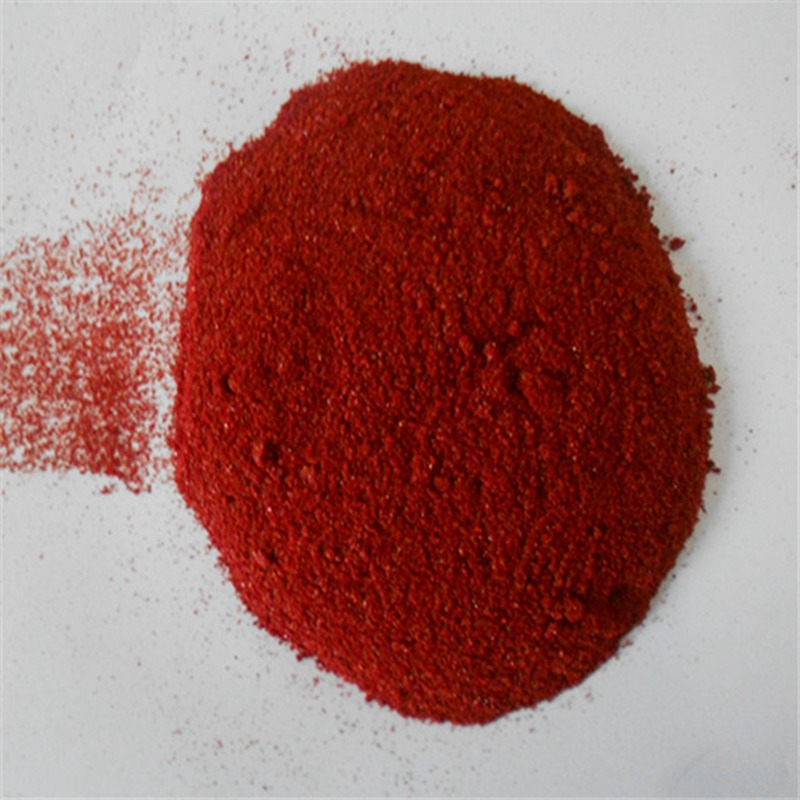
Sweet Paprika Pimenton: color-forward, clean-label spice with real specs
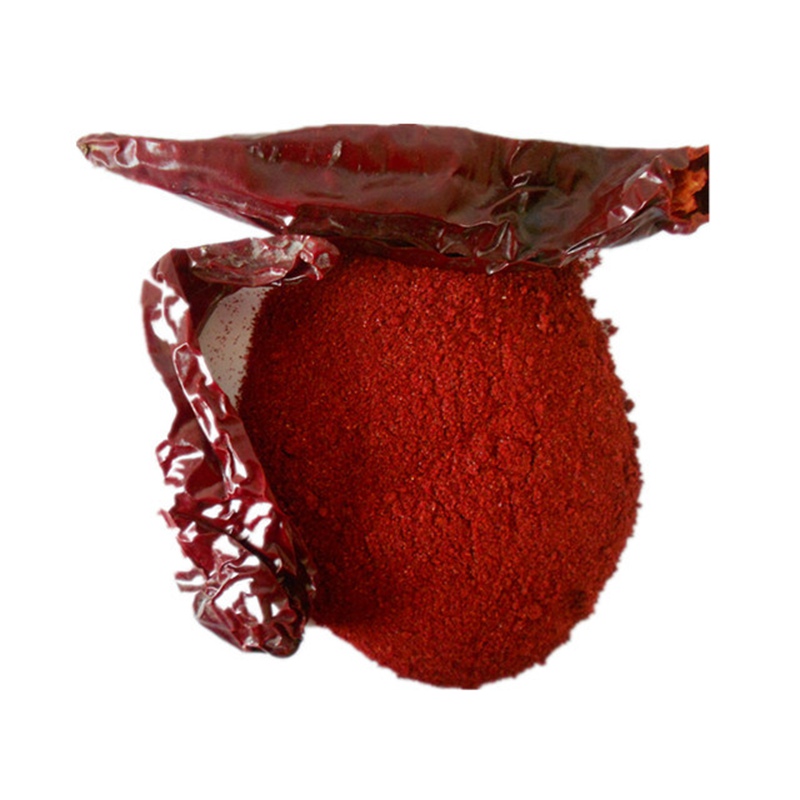
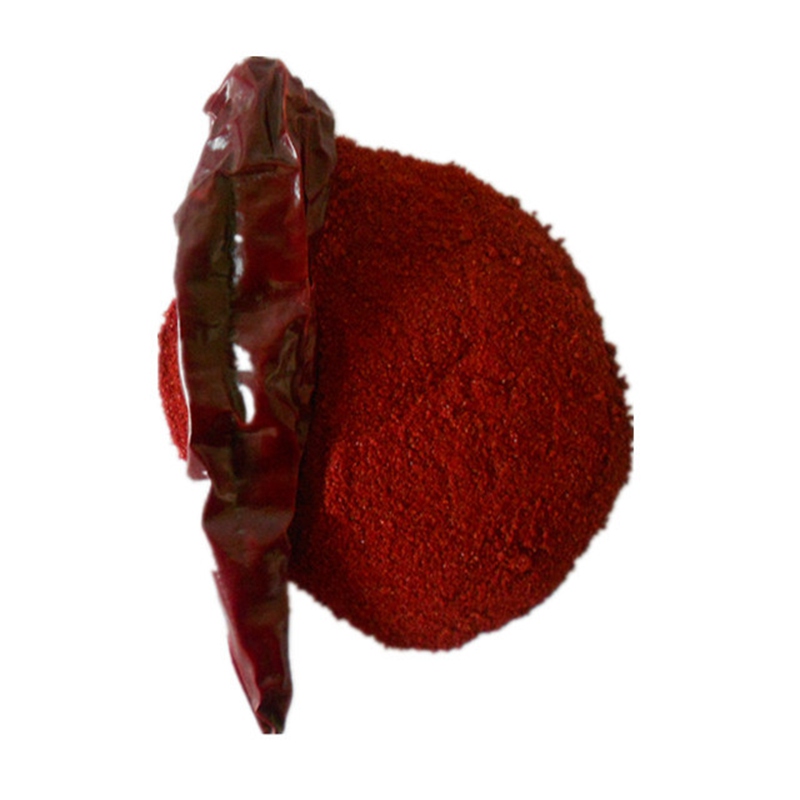
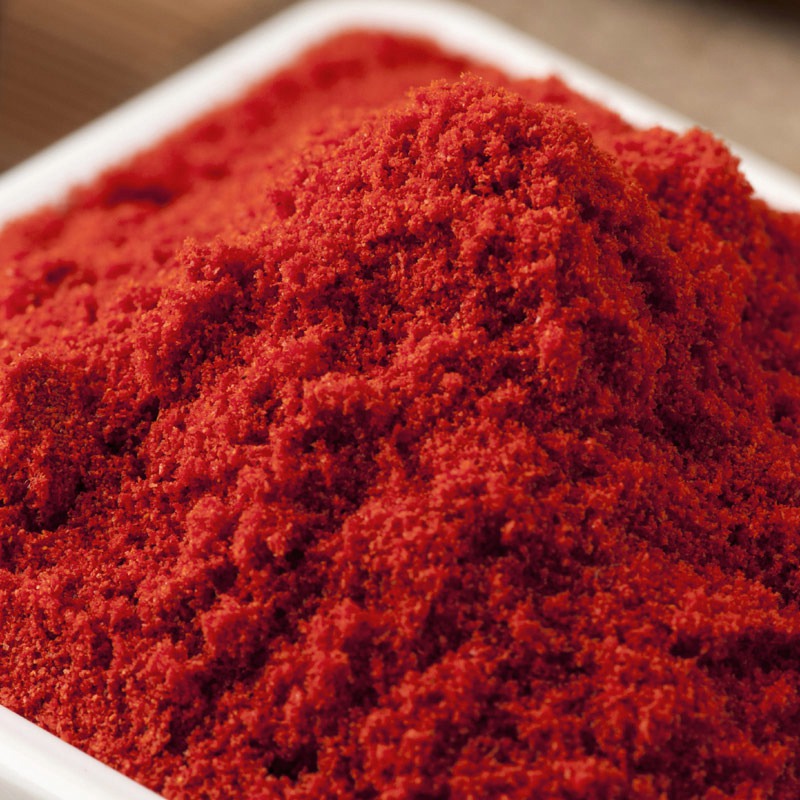
If you cook for a living—or just obsess over color on the plate—you’ve probably chased that vivid scarlet hue. My latest test batch came from Hebei, China, and yes, the color popped. I’m talking about Sweet Paprika Pimenton made as a non-spicy, 100% natural powder. No additives, just sun-ripened Capsicum annuum. In fact, many customers say it’s the easiest way to upgrade presentation without risking heat.
Industry snapshot
Food brands are leaning hard into clean-label colors and short ingredient decks. Synthetic reds are quietly stepping aside, while paprika with audited color values (ASTA) and verified low heat (near-zero SHU) is winning. Interestingly, demand from plant-based and snack sectors is rising faster than expected—color consistency across lots matters more than ever.
Technical specifications (real-world values)
| Botanical | Capsicum annuum L. |
| Origin | SOUTH OF ROAD, 2 KMS EAST OF LONGYAO COUNTY, HEBEI, CHINA |
| Color (ASTA) | ≈120–180 (customizable; lot data provided) |
| Heat (Scoville) | |
| Moisture | ≤10% (typical) |
| Mesh size | 80–120 mesh (fine), others on request |
| Additives | None; 100% paprika |
| Shelf life | 18–24 months sealed, cool & dry, away from light |
| Certifications | Food safety system (e.g., ISO 22000/HACCP), Halal/Kosher on request |
Process flow and testing
Materials: field-selected sweet peppers → hot-air drying → destoning → washing → grinding → sieving → steam sterilization or validated kill step → metal detection → nitrogen-packed.
Testing: ASTA color; moisture (oven method); SHU (HPLC); microbiology per ISO 4833 (APC), ISO 21527 (yeasts/moulds), Salmonella (ISO 6579); heavy metals and aflatoxin to Codex/EU limits. Real-world use may vary, of course, but those are the baselines I look for.
Where Sweet Paprika Pimenton shines
- Sauces and dips needing warm red hues without heat- Plant-based burgers, chorizo-style crumbles, seitan rubs
- Snack seasonings (kettle chips, extruded snacks)
- Deli meats and marinades where color stability matters
- Bakery crackers, savory biscuits, and meal kits
Vendor comparison (quick take)
| Criteria | Hebei Producer (Xuri Chili) | Generic Importer | Low-cost Bulk Trader |
|---|---|---|---|
| ASTA lot data | Provided per lot | Sometimes | Rarely |
| Customization | Color/mesh/packaging | Limited | Minimal |
| Food safety docs | ISO/HACCP, micro & contaminants | Basic CoA | Sparse |
Customization and packaging
Sweet Paprika Pimenton can be tuned: ASTA ≈120 for subtle warmth or ≈160+ for camera-ready reds; mesh from coarse to 120; packs from 25 kg liners down to retail-ready 1 kg. Private label? Feels routine now, to be honest.
Mini case notes
- Snack brand: moved from carmine to Sweet Paprika Pimenton, kept brightness; consumer tests showed no flavor penalty.
- Quick-service chain: marinade color stabilized across seasons after switching to tighter ASTA specs.
- Sauce maker: reduced additive list by 2 lines; surprising sell-in to retailers improved.
Feedback: “Color holds through retort,” one R&D lead told me; another noted “clean nose, zero heat—exactly what our kids’ line needed.”
Compliance and standards
Bench your specs against Codex for spices, ASTA color methods, and your market’s microbiological and contaminant limits. For food safety systems, ISO 22000/HACCP is the baseline; EU aflatoxin limits and FDA cGMP (21 CFR 117) are common checkpoints.
References
- Codex Alimentarius: Standard for Spices and Culinary Herbs (CXS 326-2017). https://www.fao.org/fao-who-codex
- ASTA: Analytical Methods and Color Value Guidance. https://www.astaspice.org
- ISO 22000: Food safety management systems — Requirements. https://www.iso.org
- EU Regulation (EC) No 1881/2006: Maximum levels for certain contaminants in foodstuffs. https://eur-lex.europa.eu
- FDA 21 CFR Part 117: Current Good Manufacturing Practice, Hazard Analysis, and Risk-Based Preventive Controls for Human Food. https://www.ecfr.gov
-
Discover Famous Paprika Powder Made Of: Origins, Quality & Global Uses
NewsDec.03,2025
-
Discovering Famous Spicy Pepper Powder: Global Uses, Benefits & Trends
NewsDec.03,2025
-
Understanding Famous Mild Dried Chilis: Global Uses, Benefits & Varieties
NewsDec.03,2025
-
Comprehensive Guide to ODM Ground Red Chilis: Quality, Applications & Trends
NewsDec.02,2025
-
Comprehensive Guide to odm Whole Red Chili: Quality, Applications & Global Impact
NewsDec.02,2025
-
Comprehensive Guide to odm Dried Red Chili Pods – Quality, Uses & Trends
NewsDec.02,2025
 Afrikaans
 Albanian
 Amharic
 Arabic
 Armenian
 Azerbaijani
 Basque
 Belarusian
 Bengali
 Bosnian
 Bulgarian
 Catalan
 Cebuano
 Corsican
 Croatian
 Czech
Czech
 Danish
 Dutch
Dutch
 Esperanto
 Estonian
 Finnish
 French
 Frisian
 Galician
 Georgian
 German
 Greek
Greek
 Gujarati
 Haitian Creole
 Hausa
Hausa
 Hawaiian
 Hebrew
 Hindi
Hindi
 Miao
Miao
 Hungarian
 Icelandic
 Igbo
Igbo
 Indonesian
 Irish
Irish
 Italian
 Japanese
 Javanese
 Kannada
 Kazakh
 Khmer
Khmer
 Rwandese
 Korean
 Kurdish
 Kyrgyz
 Lao
Lao
 Latin
Latin
 Latvian
 Lithuanian
 Luxembourgish
 Macedonian
 Malgashi
 Malay
Malay
 Malayalam
 Maltese
 Maori
Maori
 Marathi
 Mongolian
 Myanmar
 Nepali
 Norwegian
 Norwegian
 Occitan
 Pashto
 Persian
 Polish
 Portuguese
 Punjabi
 Romanian
 Russian
 Samoan
 Scottish Gaelic
 Serbian
 Sesotho
 Shona
Shona
 Sindhi
 Sinhala
 Slovak
 Slovenian
 Somali
 Spanish
 Sundanese
 Swahili
 Swedish
 Tagalog
 Tajik
Tajik
 Tamil
Tamil
 Tatar
Tatar
 Telugu
 Thai
Thai
 Turkish
 Turkmen
 Ukrainian
 Urdu
Urdu
 Uighur
 Uzbek
Uzbek
 Vietnamese
 Welsh
Welsh
 Bantu
Bantu
 Yiddish
 Yoruba
 Zulu
Zulu
 English