
LONGYAO COUNTY XURI FOOD CO.,LTD.
Oct . 11, 2025 09:30 Back to list
Sweet Paprika Pimenton – Mild, Vibrant Color, Premium Grade
A practical buyer’s take on sweet paprika powder (aka the classic kitchen red)
If you’re sourcing sweet paprika pimenton at scale, you probably care about color consistency, low heat, and clean-label paperwork that stands up to audits. Same here. I’ve been tasting and testing this category for years; the short version: color wins buyers, specs keep them.
Industry trend check
Two big shifts: steam-sterilized spices replacing ETO, and purchasing teams tracking ASTA color more tightly for repeatable shade in processed foods. Also, “no additives” and origin traceability are baseline now, not premium. Frankly, brands don’t want surprises in the pan—or on the label.
Product snapshot: Sweet paprika powder
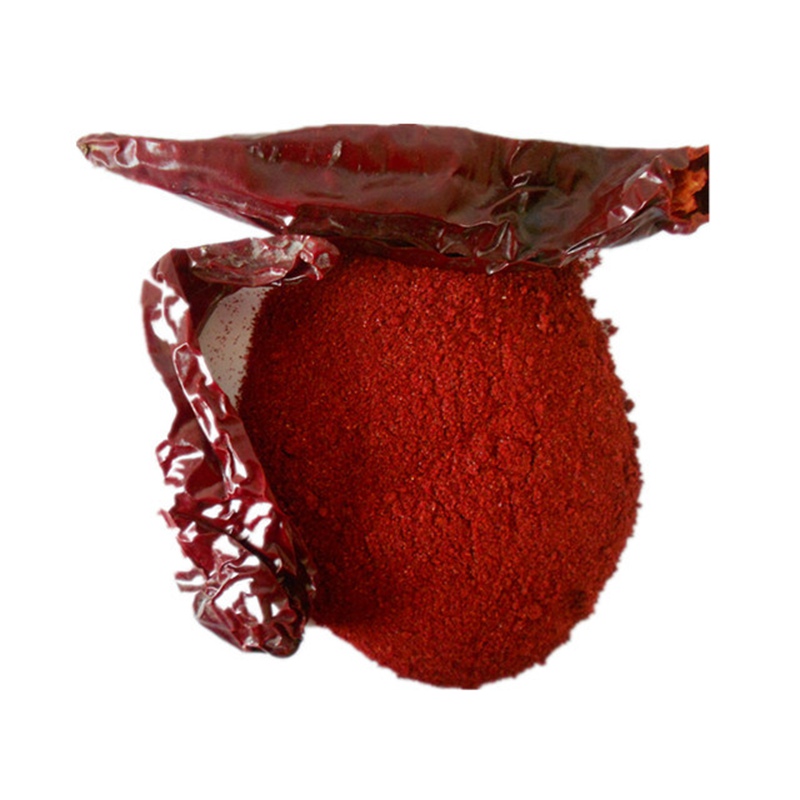
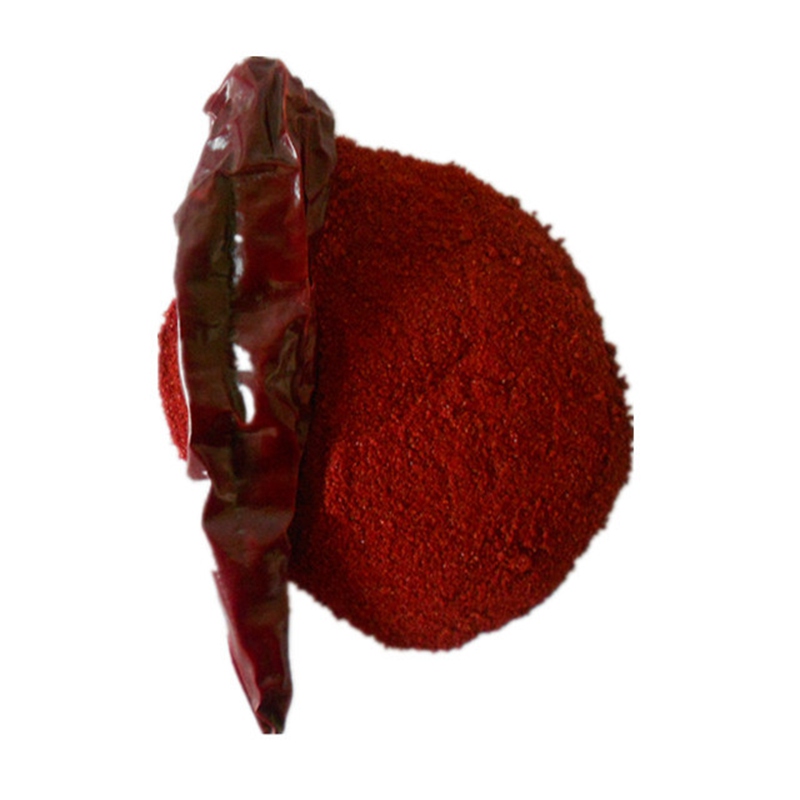
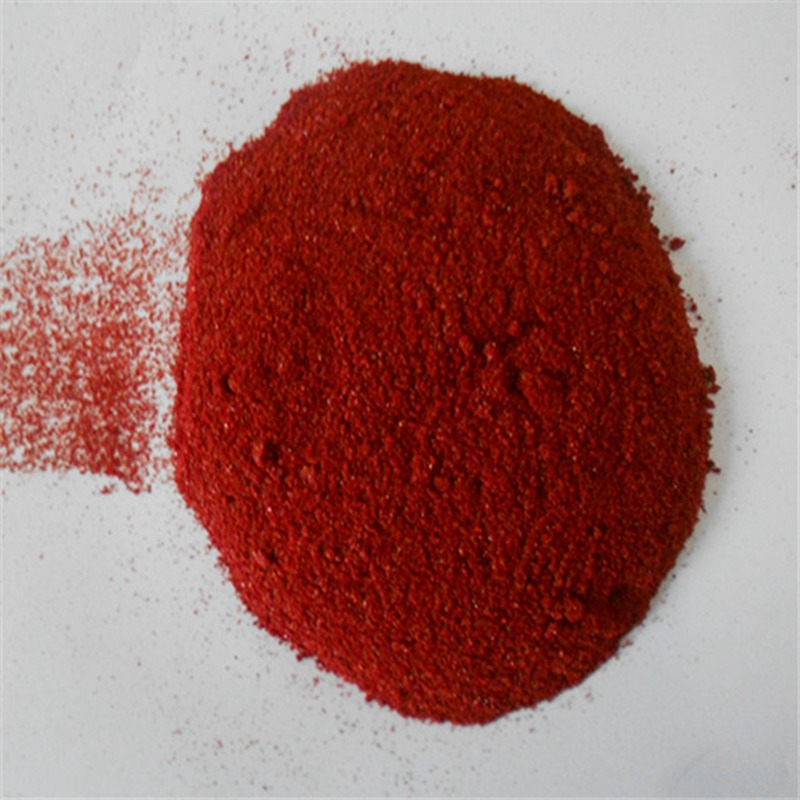
Origin: SOUTH OF ROAD,2 KMS EAST OF LONGYAO COUNTY,HEBEI CHINA. It’s a non-spicy, 100% natural grind with a vivid red hue and that warm, rounded bell-pepper note. Many customers say it “pops” even in low-fat applications—soups, rubs, snack dusting.
| Parameter | Spec (typical) | Method/Standard |
|---|---|---|
| ASTA Color | ≈120–180 units (batch-dependent) | ASTA 20.1 [1] |
| Moisture | ≤ 12% | ISO 928 [2] |
| SHU (heat) | In-house calibrated vs. capsaicinoids | |
| Granulation | 60–80 mesh (customizable) | Sieve analysis |
| Microbiology | TPC ≤ 5×10⁵/g; Yeast/Mold ≤ 103/g; Salmonella absent/25 g; E. coli ≤10 cfu/g | ISO 4833-1, ISO 21527, ISO 6579 |
| Contaminants | Aflatoxins B1 ≤ 5 μg/kg; Total ≤ 10 μg/kg; Pb ≤ 2 mg/kg | EU 1881/2006; ICP-MS |
| Residues | Compliant with MRLs | EC 396/2005; LC–MS/MS |
| Shelf life | 24 months in cool, dry, dark storage | Real-world use may vary |
Process & quality flow (how it’s made and checked)
Materials: sun-ripened Capsicum annuum, screened per ISO 948 sampling. Methods: cleaning, destoning, low-temp drying, metal detection, grinding, optional steam sterilization, final sieve, packing under food-grade conditions. Testing: ASTA color, moisture, granulometry, micro & contaminants, plus sensory. Certifications commonly requested: HACCP, ISO 22000/FSSC 22000, Halal/Kosher. Service life in use: color holds well through pasteurization and baking; prolonged high-heat frying will mute hue (that’s paprika in general).
Applications and industries
- Food manufacturing: rubs, emulsified meats, plant-based deli slices, snack seasoning, sauces.
- Foodservice: paella, goulash, deviled eggs, hummus—anywhere you want that gentle sweetness and glow.
- Retail spices: private-label jars and sachets.
In fact, sweet paprika pimenton is often chosen to “lift” color without adding heat—handy in kid-friendly SKUs.
| Vendor | Origin | ASTA Color | Additives | Certs | Lead Time | Notes |
|---|---|---|---|---|---|---|
| Xuri Chili (this product) | Hebei, CN | ≈120–180 | None | HACCP, ISO/FSSC (on request) | 10–20 days | Custom color & mesh |
| EU Packager A | ES/HU mix | ≈100–150 | Anti-caking optional | BRCGS | Stock/fast | Premium price |
| Commodity Broker B | CN/IN | ≈80–130 | Varies | Mixed | Uncertain | Watch specs |
Customization
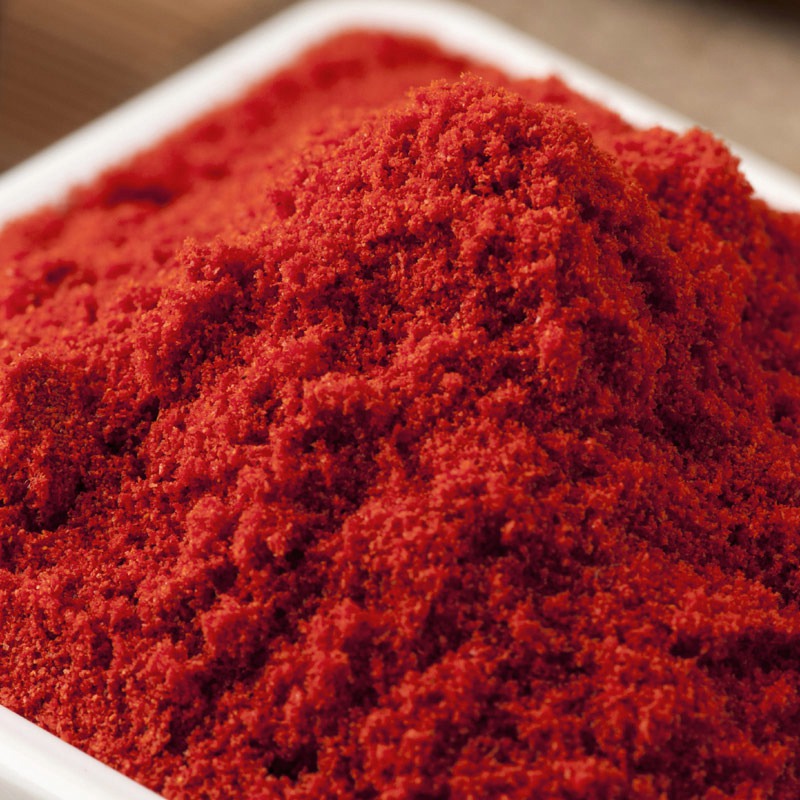
Color grade selection, 40–120 mesh grinds, steam-sterilized lots, and packaging from 25 kg bags to 1 kg retail pouches with private label. To be honest, matching your existing ASTA target saves a lot of reformulation time.
Case notes (real-world)
Snack maker: moved to sweet paprika pimenton at ASTA 160; achieved 12% reduction in color concentrate usage across a BBQ seasoning line.
QSR marinade: sought non-spicy color lift; post-thermal hue loss dropped ≈8% vs prior lot, according to their benchtop Lab tests.
Indie spice brand: private-labeled jars; reviews highlight “bright color, no heat.” One buyer wrote, “surprisingly sweet on roasted veg.”
Compliance and paperwork
Spec + COA with ASTA color, micro, moisture; pesticide screen per EC 396/2005; contaminants per EU 1881/2006; allergen and GMO statements; label-ready per Codex CXS 326 and local rules. For retail packs, check 1169/2011 if selling in the EU.
Final thought: for consistent, clean-label color, sweet paprika pimenton still punches above its cost. Just lock in your target ASTA and mesh, and ask for recent COAs—freshness matters.
- ASTA Analytical Methods, e.g., Method 20.1 (Paprika/annatto color).
- ISO standards for spices: ISO 928 (moisture), ISO 927 (extraneous matter), ISO 948 (sampling); ISO 4833-1, ISO 21527, ISO 6579 (microbiology).
- Codex CXS 326-2017: Standard for Spices and Culinary Herbs.
- EU Regulation (EC) No 1881/2006: Maximum levels for certain contaminants in foodstuffs.
- Regulation (EC) No 396/2005: Maximum residue levels of pesticides in or on food and feed.
-
Discover Famous Paprika Powder Made Of: Origins, Quality & Global Uses
NewsDec.03,2025
-
Discovering Famous Spicy Pepper Powder: Global Uses, Benefits & Trends
NewsDec.03,2025
-
Understanding Famous Mild Dried Chilis: Global Uses, Benefits & Varieties
NewsDec.03,2025
-
Comprehensive Guide to ODM Ground Red Chilis: Quality, Applications & Trends
NewsDec.02,2025
-
Comprehensive Guide to odm Whole Red Chili: Quality, Applications & Global Impact
NewsDec.02,2025
-
Comprehensive Guide to odm Dried Red Chili Pods – Quality, Uses & Trends
NewsDec.02,2025
 Afrikaans
 Albanian
 Amharic
 Arabic
 Armenian
 Azerbaijani
 Basque
 Belarusian
 Bengali
 Bosnian
 Bulgarian
 Catalan
 Cebuano
 Corsican
 Croatian
 Czech
Czech
 Danish
 Dutch
Dutch
 Esperanto
 Estonian
 Finnish
 French
 Frisian
 Galician
 Georgian
 German
 Greek
Greek
 Gujarati
 Haitian Creole
 Hausa
Hausa
 Hawaiian
 Hebrew
 Hindi
Hindi
 Miao
Miao
 Hungarian
 Icelandic
 Igbo
Igbo
 Indonesian
 Irish
Irish
 Italian
 Japanese
 Javanese
 Kannada
 Kazakh
 Khmer
Khmer
 Rwandese
 Korean
 Kurdish
 Kyrgyz
 Lao
Lao
 Latin
Latin
 Latvian
 Lithuanian
 Luxembourgish
 Macedonian
 Malgashi
 Malay
Malay
 Malayalam
 Maltese
 Maori
Maori
 Marathi
 Mongolian
 Myanmar
 Nepali
 Norwegian
 Norwegian
 Occitan
 Pashto
 Persian
 Polish
 Portuguese
 Punjabi
 Romanian
 Russian
 Samoan
 Scottish Gaelic
 Serbian
 Sesotho
 Shona
Shona
 Sindhi
 Sinhala
 Slovak
 Slovenian
 Somali
 Spanish
 Sundanese
 Swahili
 Swedish
 Tagalog
 Tajik
Tajik
 Tamil
Tamil
 Tatar
Tatar
 Telugu
 Thai
Thai
 Turkish
 Turkmen
 Ukrainian
 Urdu
Urdu
 Uighur
 Uzbek
Uzbek
 Vietnamese
 Welsh
Welsh
 Bantu
Bantu
 Yiddish
 Yoruba
 Zulu
Zulu
 English