
LONGYAO COUNTY XURI FOOD CO.,LTD.
Oct . 25, 2025 12:10 Back to list
Paprika Koral Powder – Rich Color, Sweet Heat, Premium
A buyer’s take on Paprika Koral: chili powder-40,000SHU-50,000SHU from Hebei, China
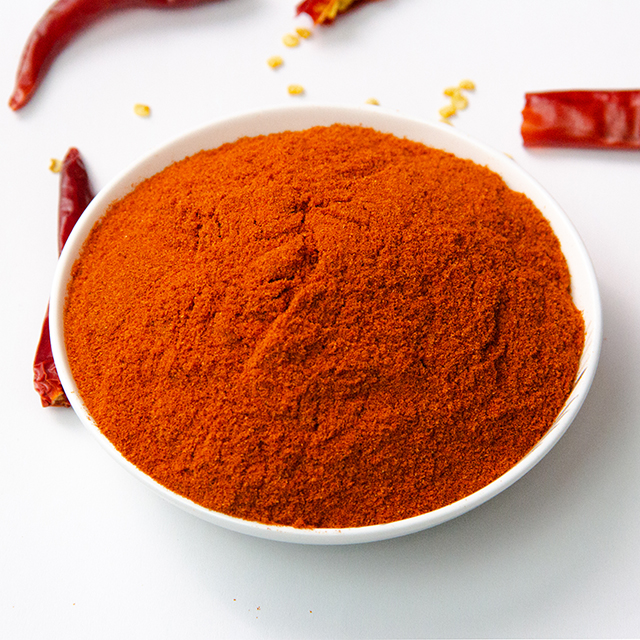
There’s a quiet revolution in the spice aisle: clean-label heat with measurable consistency. And to be honest, that’s why procurement teams keep asking about Paprika Koral—specifically the chili powder calibrated to 40,000–50,000 SHU. It’s 100% natural, no additives, bright red, and (surprisingly) reliable across batches, which is rarer than it should be in chili-land.
Industry trend check
Three big shifts: (1) measurable heat via HPLC instead of “tastes hot,” (2) sterilized spices for RTD and meal-kit brands, and (3) customization at scale—mesh size, color, and SHU. Paprika Koral rides all three. In fact, many customers say the predictable burn cuts reformulation time by weeks.
How it’s made (short version)
-
- Materials: sun-dried chili pods from SOUTH OF ROAD, 2 KMS EAST OF LONGYAO COUNTY, HEBEI CHINA; stems removed; foreign matter screened.
- Methods: graded, cleaned, metal-detected, milled, and sieved (≈20–60 mesh options). Blending aligns capsaicinoids to hit 40–50k SHU. Optional steam sterilization achieves ≈5-log reduction.
- Testing standards: SHU via HPLC (AOAC 995.03); microbiology (ISO 4833-1 TVC, ISO 21527 yeasts/molds, Salmonella ISO 6579-1, E. coli ISO 16649-2); aflatoxins (ISO 16050). Heavy metals by ICP-MS aligned with regulatory limits.
- Service life: typically 18–24 months in cool, dry storage, nitrogen-flushed packs preferred.
- Industries: snacks, instant noodles, hot sauces, seasoning sachets, plant-based meats, frozen ready meals, spice rubs.
Product specs at a glance
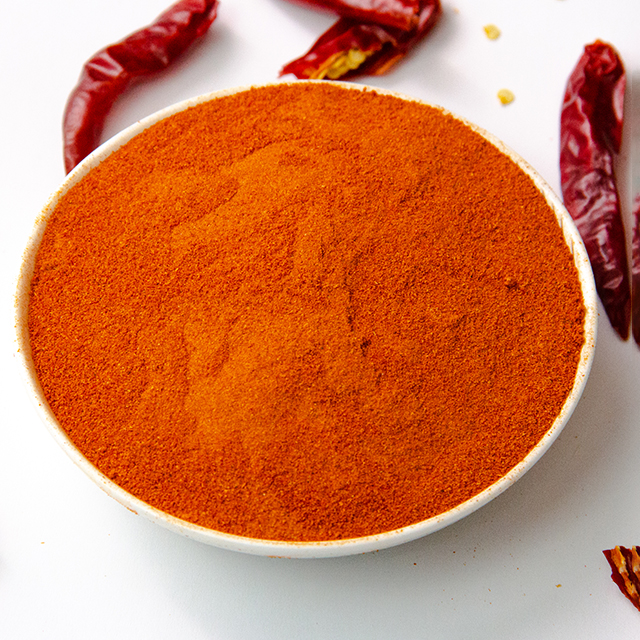
| Heat (SHU) | 40,000–50,000 (HPLC; real-world variation ≈±10%) |
| Color | Vibrant red; ASTA color often ≈80–120 (indicative) |
| Mesh size | ≈20, 30, 40, 60 mesh options |
| Moisture | ≤10% typical |
| Microbiology | TVC, YM per ISO; Salmonella absent in 25 g |
| Sterilization | Steam sterilized (optional), validated log-reduction |
| Packaging | 25 kg lined bags or custom pouches; nitrogen flush available |
| Certifications | HACCP; aligns with ISO 22000/FSSC expectations |
Why buyers pick it
Consistency is king. The blend-based SHU targeting means your snack coating or ramen sachet stays on-spec. Also, no additives—just chili—keeps labels clean. And yes, Paprika Koral travels well; the color holds up through normal shelf life, which is half the battle in retail.
Customization menu
-
- SHU ranges: around 20k–80k by request.
- Mesh and mouthfeel: coarse for rubs, fine for sauces.
- Color tuning: higher ASTA lots for vivid reds in emulsions.
- Packaging: bulk sacks, foodservice, or retail pouches; private label possible.
Vendor comparison (abbreviated)
| Criteria | Xuri Chili (Hebei) | Trading House A | Private Label B |
|---|---|---|---|
| Origin control | Single-region sourcing | Multi-origin blend | Variable |
| SHU consistency | Tight HPLC-verified | Moderate | Depends on season |
| Sterilization | Steam, validated | Third-party | Optional |
| Lead time | Fast (stock + custom) | Average | Long for custom |
Application snapshots and feedback
-
- Snack seasoning: consistent heat at 0.8–1.2% inclusion; color survived frying better than expected, according to one co-packer.
- Hot sauce base: clean chili note without bitter tails; R&D teams liked the 40–50k SHU for mid-heat SKUs.
- Plant-based jerky: fine mesh improved binding and reduced hot spots—a small but real win.
Mini case studies
-
- Noodle brand (SEA): moved from variable farm lots to Paprika Koral; reduced line rework by ≈22% and cut sensory fails in QC by half in 3 months.
- US snack maker: adopted steam-sterilized spec; achieved retailer micro limits without post-blend kill step, saving one processing pass.
Bottom line: if you need dependable 40–50k SHU, bright red, and a clean label, this is a pragmatic pick. Not flashy—just solid, which, in spices, is oddly rare.
References
- [1] AOAC Official Method 995.03 – Capsaicinoids in Capsicum and Oleoresin Capsicum (HPLC).
- [2] Codex CXS 326-2017 – Standard for Spices and Culinary Herbs.
- [3] ISO 22000:2018 – Food safety management systems.
- [4] ISO 6579-1:2017 – Microbiology of the food chain — Salmonella detection.
- [5] ISO 4833-1:2013 – Enumeration of microorganisms at 30 °C (TVC).
- [6] ISO 16050:2003 – Determination of aflatoxin B1 and total aflatoxins by HPLC.
- [7] ASTA Analytical Methods (e.g., color and pungency) – American Spice Trade Association.
-
Discover Famous Paprika Powder Made Of: Origins, Quality & Global Uses
NewsDec.03,2025
-
Discovering Famous Spicy Pepper Powder: Global Uses, Benefits & Trends
NewsDec.03,2025
-
Understanding Famous Mild Dried Chilis: Global Uses, Benefits & Varieties
NewsDec.03,2025
-
Comprehensive Guide to ODM Ground Red Chilis: Quality, Applications & Trends
NewsDec.02,2025
-
Comprehensive Guide to odm Whole Red Chili: Quality, Applications & Global Impact
NewsDec.02,2025
-
Comprehensive Guide to odm Dried Red Chili Pods – Quality, Uses & Trends
NewsDec.02,2025
 Afrikaans
 Albanian
 Amharic
 Arabic
 Armenian
 Azerbaijani
 Basque
 Belarusian
 Bengali
 Bosnian
 Bulgarian
 Catalan
 Cebuano
 Corsican
 Croatian
 Czech
Czech
 Danish
 Dutch
Dutch
 Esperanto
 Estonian
 Finnish
 French
 Frisian
 Galician
 Georgian
 German
 Greek
Greek
 Gujarati
 Haitian Creole
 Hausa
Hausa
 Hawaiian
 Hebrew
 Hindi
Hindi
 Miao
Miao
 Hungarian
 Icelandic
 Igbo
Igbo
 Indonesian
 Irish
Irish
 Italian
 Japanese
 Javanese
 Kannada
 Kazakh
 Khmer
Khmer
 Rwandese
 Korean
 Kurdish
 Kyrgyz
 Lao
Lao
 Latin
Latin
 Latvian
 Lithuanian
 Luxembourgish
 Macedonian
 Malgashi
 Malay
Malay
 Malayalam
 Maltese
 Maori
Maori
 Marathi
 Mongolian
 Myanmar
 Nepali
 Norwegian
 Norwegian
 Occitan
 Pashto
 Persian
 Polish
 Portuguese
 Punjabi
 Romanian
 Russian
 Samoan
 Scottish Gaelic
 Serbian
 Sesotho
 Shona
Shona
 Sindhi
 Sinhala
 Slovak
 Slovenian
 Somali
 Spanish
 Sundanese
 Swahili
 Swedish
 Tagalog
 Tajik
Tajik
 Tamil
Tamil
 Tatar
Tatar
 Telugu
 Thai
Thai
 Turkish
 Turkmen
 Ukrainian
 Urdu
Urdu
 Uighur
 Uzbek
Uzbek
 Vietnamese
 Welsh
Welsh
 Bantu
Bantu
 Yiddish
 Yoruba
 Zulu
Zulu
 English