
LONGYAO COUNTY XURI FOOD CO.,LTD.
Oct . 06, 2025 08:55 Back to list
Sweet Paprika Spice: Want Mild, Vivid Color Without Heat?
Sweet Paprika Powder 2: Color, Aroma, and Quiet Confidence in the Kitchen
If you cook for a living—or just for the love of it—you already know the power of sweet paprika spice. It lifts color without burning the palate, and it threads a faint, fruity warmth through sauces, rubs, even snacks. I’ve tested countless samples over the years; this one, Sweet Paprika Powder 2 from Hebei, China, feels like the quiet professional on the line: consistent, bright, and dependable.
What makes it different
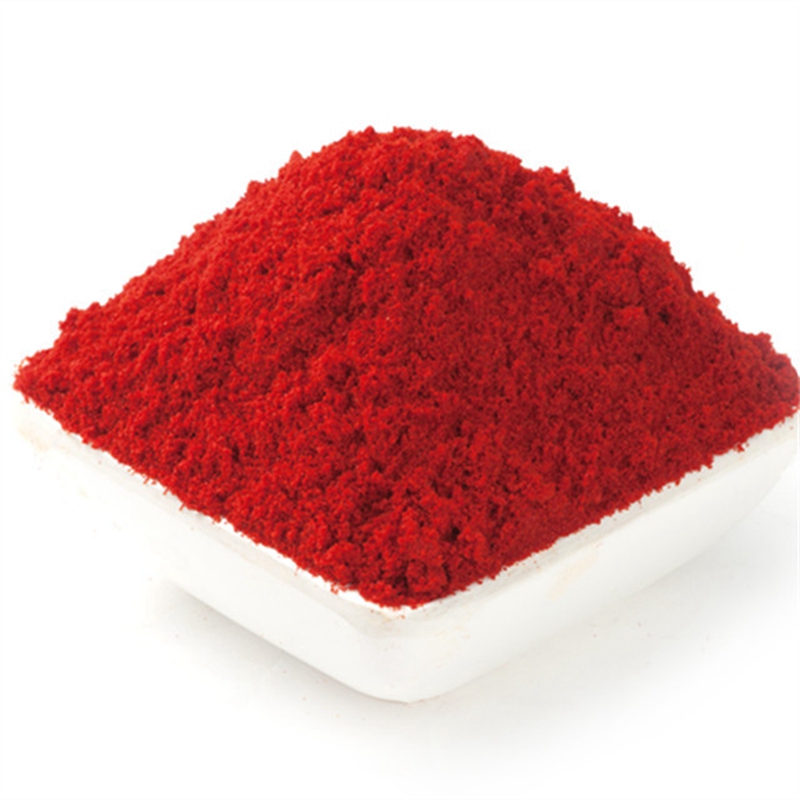
It’s 100% natural, additive-free, and—importantly for menu development—non-spicy. Many customers say the color payoff is “restaurant-photo” red, which matches what I saw in aioli and roasted chicken glaze tests. The producer offers customization on color grades and packaging, which, to be honest, is a lifesaver for brands juggling multiple SKUs. The origin is transparent too: SOUTH OF ROAD, 2 KMS EAST OF LONGYAO COUNTY, HEBEI CHINA.
Industry trends I’m seeing
- Clean-label colors replacing carmine and synthetic reds.
- Snack and meal-kit brands leaning on sweet paprika spice for warm hue without heat.
- Tighter specs: consistent ASTA color and low moisture for shelf stability.
Process flow and quality controls
Materials: selected Capsicum annuum pods. Methods: low-temp drying, gentle milling, multi-stage sieving, magnet + metal detection, batch blending, nitrogen-flush or high-barrier packing. Testing: ASTA color (ASTA 20.1), moisture (AOAC 934.06), particle-size analysis, microbiology (ISO 4833-1; Salmonella per ISO 6579-1), heavy metals and mycotoxins against EU/GB and Codex limits. Service life: ≈ 24 months in cool, dry storage; real-world use may vary.
Product specifications (typical)
| Spec | Typical value | Method/Standard |
|---|---|---|
| ASTA color | ≥ 140 ASTA (batch avg.) | ASTA 20.1 |
| Moisture | ≤ 12% | AOAC 934.06 |
| Granulation | ≈ 60–100 mesh | Sieve analysis |
| Heat level | Non-spicy (< 500 SHU) | Scoville estimation |
| Microbiology | TPC, yeasts/molds within spec; Salmonella absent/25 g | ISO 4833-1; ISO 6579-1 |
Where it shines
- Foodservice sauces, aioli, romesco; BBQ rubs needing color without heat.
- Snack coatings and meal kits where sweet paprika spice replaces artificial red.
- Processed meats and plant-based analogs for a natural brick-red tone.
Vendor comparison (snapshot)
| Vendor | Origin | Certs | ASTA color | Customization | Lead time |
|---|---|---|---|---|---|
| Xuri (this product) | Hebei, CN | HACCP, ISO 22000 (supplier-declared) | ≈ 120–160 | Color grades, mesh, packs | ≈ 10–20 days |
| Market A | EU blend | BRCGS | ≈ 100–130 | Limited | ≈ 3–5 weeks |
| Market B | Mixed | HACCP | ≈ 90–120 | Basic | Varies |
Customization and packaging
Options include light/standard/deep red color grades, 40–100 mesh grinds, and packaging from 100 g pouches to 25 kg bags; private label available. For co-packers, they’ll match target ASTA ranges so your sweet paprika spice keeps a stable hue across seasons.

Field notes and mini case studies
- Casual grill chain: switched to this sweet paprika spice for a glossy red rib rub; reported 18% fewer “too spicy” complaints and better photo-ready color.
- Sausage producer: ASTA 150 grade kept chorizo color consistent after 12-week chilled shelf-life trial; no flavor bleed into casing.
- Plant-based brand: achieved “brick red” burger without FD&C dyes, meeting clean-label goals.
Compliance and documentation
Supplier provides CoA per lot, pesticide screening to EU MRLs, mycotoxin tests (aflatoxin/B1), and allergen statement. Look for HACCP and ISO 22000 alignment; some buyers also request Halal/Kosher—ask ahead, as availability may vary.
Citations:
- ASTA Analytical Methods, Method 20.1 (Color in Paprika and Oleoresin).
- ISO 22000:2018 Food safety management systems.
- Codex Alimentarius, General Standard for Contaminants in Foods (CXS 193-1995).
- EU Regulation (EC) No 1881/2006 on contaminants in foodstuffs.
- AOAC 934.06 Moisture in Spices; ISO 4833-1 and ISO 6579-1 for microbiology.
-
Discover Famous Paprika Powder Made Of: Origins, Quality & Global Uses
NewsDec.03,2025
-
Discovering Famous Spicy Pepper Powder: Global Uses, Benefits & Trends
NewsDec.03,2025
-
Understanding Famous Mild Dried Chilis: Global Uses, Benefits & Varieties
NewsDec.03,2025
-
Comprehensive Guide to ODM Ground Red Chilis: Quality, Applications & Trends
NewsDec.02,2025
-
Comprehensive Guide to odm Whole Red Chili: Quality, Applications & Global Impact
NewsDec.02,2025
-
Comprehensive Guide to odm Dried Red Chili Pods – Quality, Uses & Trends
NewsDec.02,2025
 Afrikaans
 Albanian
 Amharic
 Arabic
 Armenian
 Azerbaijani
 Basque
 Belarusian
 Bengali
 Bosnian
 Bulgarian
 Catalan
 Cebuano
 Corsican
 Croatian
 Czech
Czech
 Danish
 Dutch
Dutch
 Esperanto
 Estonian
 Finnish
 French
 Frisian
 Galician
 Georgian
 German
 Greek
Greek
 Gujarati
 Haitian Creole
 Hausa
Hausa
 Hawaiian
 Hebrew
 Hindi
Hindi
 Miao
Miao
 Hungarian
 Icelandic
 Igbo
Igbo
 Indonesian
 Irish
Irish
 Italian
 Japanese
 Javanese
 Kannada
 Kazakh
 Khmer
Khmer
 Rwandese
 Korean
 Kurdish
 Kyrgyz
 Lao
Lao
 Latin
Latin
 Latvian
 Lithuanian
 Luxembourgish
 Macedonian
 Malgashi
 Malay
Malay
 Malayalam
 Maltese
 Maori
Maori
 Marathi
 Mongolian
 Myanmar
 Nepali
 Norwegian
 Norwegian
 Occitan
 Pashto
 Persian
 Polish
 Portuguese
 Punjabi
 Romanian
 Russian
 Samoan
 Scottish Gaelic
 Serbian
 Sesotho
 Shona
Shona
 Sindhi
 Sinhala
 Slovak
 Slovenian
 Somali
 Spanish
 Sundanese
 Swahili
 Swedish
 Tagalog
 Tajik
Tajik
 Tamil
Tamil
 Tatar
Tatar
 Telugu
 Thai
Thai
 Turkish
 Turkmen
 Ukrainian
 Urdu
Urdu
 Uighur
 Uzbek
Uzbek
 Vietnamese
 Welsh
Welsh
 Bantu
Bantu
 Yiddish
 Yoruba
 Zulu
Zulu
 English