
LONGYAO COUNTY XURI FOOD CO.,LTD.

Sep . 14, 2025 08:20 Back to list
Premium Sweet Paprika Spice: Vibrant Flavor Essential
Introduction to Sweet Paprika Spice in B2B Applications
In the dynamic world of food manufacturing and culinary innovation, the demand for high-quality, consistent, and traceable ingredients is paramount. Among these, sweet paprika spice stands out as a fundamental component, valued not only for its vibrant color but also for its mild, subtly sweet flavor profile. Sourced from the dried, ground fruits of the Capsicum annuum plant, this versatile ingredient is critical for food processors, flavor houses, and the Horeca sector seeking to enhance sensory appeal without introducing significant heat. This article delves into the technical aspects, industry trends, and strategic advantages of incorporating premium sweet paprika into diverse B2B applications.
Industry Trends Shaping Sweet Paprika Spice Demand
The market for sweet paprika spice is experiencing significant shifts driven by consumer preferences for natural ingredients, clean labels, and ethnic flavors. Key trends include:
- Natural Coloring Agents: With increasing pressure to replace artificial food colorants, sweet paprika, particularly high-color value variants like ASTA 120-160, is highly sought after as a natural alternative for applications ranging from processed meats to snack foods and ready meals.
- Global Culinary Expansion: The rise of global cuisine, especially Mediterranean, Spanish, and Hungarian influences, has broadened the appeal and application of sweet paprika seasoning, making it a staple in numerous international dishes.
- Clean Label and Transparency: Manufacturers prioritize suppliers who can offer transparent sourcing, non-GMO, allergen-free, and organic certifications for their sweet paprika powder 2, aligning with consumer demand for healthier, less processed foods.
- Traceability and Sustainability: Enhanced supply chain visibility, from farm to finished product, and sustainable agricultural practices are becoming non-negotiable for large-scale food manufacturers, influencing vendor selection.
- Food Safety and Quality Assurance: Strict adherence to international food safety standards (e.g., HACCP, ISO 22000, GFSI-recognized schemes) is paramount, requiring comprehensive testing for microbial load, heavy metals, and pesticide residues.
Technical Specifications and Quality Parameters
The efficacy and appeal of sweet paprika spice in industrial applications are dictated by precise technical specifications. Key parameters include:
- Color Value (ASTA): Measured in ASTA units, this indicates the pigment concentration. Higher ASTA values (e.g., 120-160) signify superior coloring power.
- Moisture Content: Critical for shelf life and preventing microbial growth, typically maintained below 10%.
- Particle Size (Granulation): Defined by mesh size, this affects dispersion, mouthfeel, and adherence in various applications (e.g., fine powder for sauces, coarser for rubs).
- Scoville Heat Units (SHU): For sweet paprika, SHU should be negligible (0-500), ensuring a non-pungent flavor.
- Microbiological Purity: Total Plate Count (TPC), Yeast & Mold, Coliforms, E. coli, Salmonella, Bacillus cereus, and Staphylococcus aureus levels are rigorously tested to ensure food safety.
- Aflatoxin Levels: Monitored to comply with international health standards.
- Pesticide Residues: Compliance with MRLs (Maximum Residue Limits) is essential for global distribution.
Typical Product Specifications: Sweet Paprika Powder 2
| Parameter | Specification Range | Testing Standard |
|---|---|---|
| ASTA Color Value | 120-160 units | ASTA Method 20.1 |
| Moisture Content | < 9.0% | AOAC 925.09 |
| Total Ash | < 8.0% | ISO 928 |
| Acid Insoluble Ash | < 0.5% | ISO 928 |
| Total Plate Count | < 10^5 cfu/g | ISO 4833 |
| Yeast & Mold | < 10^3 cfu/g | ISO 21527 |
| Salmonella | Negative in 25g | ISO 6579 |
Detailed Manufacturing Process Flow for Sweet Paprika Spice
The production of high-quality sweet paprika spice involves a series of carefully controlled steps designed to preserve its color, flavor, and microbial integrity. Our process emphasizes hygiene, precision, and adherence to international food safety standards, including HACCP and GMP.
1. Raw Material Sourcing & Inspection
Premium sweet paprika pods (Capsicum annuum) are sourced from certified farms. Each batch undergoes rigorous inspection for physical integrity, absence of foreign matter, moisture content, and initial color analysis. Only pods meeting stringent quality criteria are accepted.
2. Washing & Cleaning
The collected pods are thoroughly washed to remove surface dirt, dust, and any residual pesticides. This step often includes sorting to remove imperfect or damaged pods, ensuring only the best material proceeds.
3. Drying
Pods are carefully dried using controlled hot air dryers to reduce moisture content to optimal levels (typically
4. Grinding & Milling
The dried pods are then ground into fine powder using industrial-grade mills. This step is critical for achieving the desired particle size uniformity (granulation) and maximizing color extraction and flavor release. Cryogenic grinding may be employed for specialized applications to minimize heat-induced degradation.
5. Sifting & Sieving
The ground paprika powder is passed through a series of sieves to ensure a consistent particle size, removing any coarser material or foreign particles. This refinement ensures a smooth texture and optimal dispersion in final products.
6. Quality Control & Testing
Before packaging, the finished sweet paprika powder undergoes comprehensive laboratory testing. This includes ASTA color value, moisture content, microbiological analysis (TPC, E.coli, Salmonella, yeast & mold), heavy metals, and pesticide residue screening to ensure compliance with international food safety and quality standards (e.g., ISO 22000, FDA, EU regulations). We also conduct sensory evaluations to confirm the characteristic mild, sweet flavor profile.
7. Packaging & Storage
The final product is packaged in food-grade, airtight container111s (e.g., multi-ply paper bags with inner liners, drums) to protect against moisture, light, and oxidation, ensuring an extended shelf life of typically 24 months when stored in a cool, dry place. Each package is clearly labeled with product specifications and traceability information.
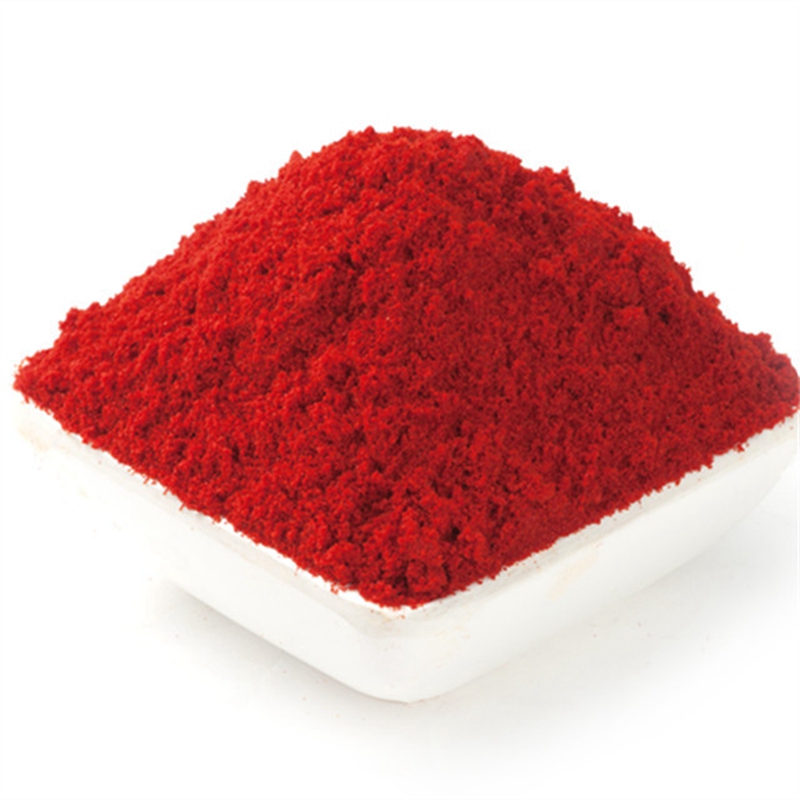
Application Scenarios and Target Industries
The versatility of sweet paprika spice makes it indispensable across a broad spectrum of industries, primarily for its natural coloring and mild flavor-enhancing properties.
Food & Beverage Manufacturing:
- Processed Meats: Used extensively in sausages, cured meats, and poultry products for appealing color and mild flavor.
- Snack Foods: Applied as a seasoning on potato chips, extruded snacks, and nuts.
- Sauces & Dressings: Enhances color and flavor in ketchup, BBQ sauces, salad dressings, and marinades.
- Ready Meals & Soups: Provides visual appeal and depth of flavor in various convenience foods.
- Dairy & Cheese Products: For coloring certain cheeses and dairy-based spreads.
Horeca Sector (Hotels, Restaurants, Catering):
- Professional Kitchens: A staple for flavoring and garnishing dishes, from goulash to paella and roasted vegetables.
- Catering Services: Ensures consistent quality and visual appeal across large-scale food production.
Flavor Houses & Spice Blenders:
- Custom Blends: Forms a base or a significant component in proprietary spice blends and rubs.
- Flavor Development: Used to create new seasoning profiles for various food applications.
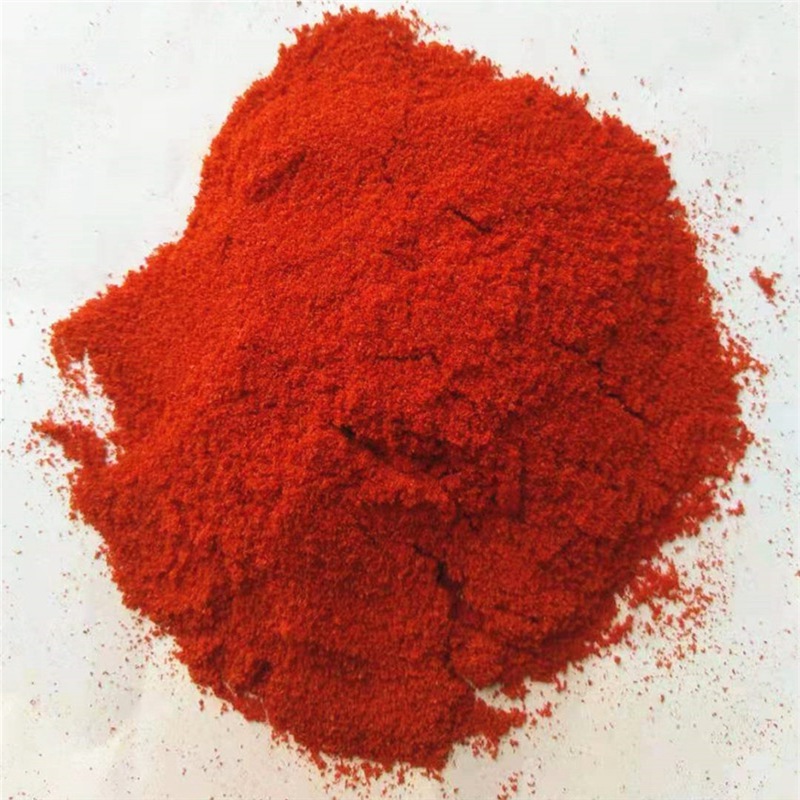
Technical Advantages and Performance Benefits
Utilizing a premium sweet paprika spice in your product formulations offers several distinct advantages over lower-grade alternatives:
- Consistent Color & Pigment Stability: High ASTA value sweet paprika delivers a vibrant, consistent red color that is more stable during processing and shelf life, reducing batch-to-batch variation in finished products.
- Optimized Flavor Profile: A carefully processed sweet paprika maintains its characteristic mild, sweet, slightly fruity flavor, enhancing culinary depth without introducing unwanted pungency or bitterness.
- Superior Microbial Purity: Through stringent processing and sterilization methods, premium paprika powder exhibits significantly lower microbial loads, enhancing product safety and extending the shelf life of the final food item.
- Excellent Dispersion & Blending: Consistent particle size and low moisture content ensure superior flowability and even dispersion in dry mixes, liquids, and topical applications, preventing clumping and uneven coloration.
- Natural & Clean Label Compliance: As a natural ingredient, it aligns with clean label initiatives, allowing manufacturers to avoid synthetic colorants and appeal to health-conscious consumers.
- Cost-Effectiveness in Use: Due to higher pigment concentration (ASTA value), less product is often required to achieve the desired color intensity, leading to cost efficiencies in large-scale production.
Vendor Comparison and Differentiators
Choosing the right supplier for sweet paprika spice is crucial for ensuring product consistency and supply chain reliability. Key differentiators among vendors include:
- Sourcing Network: Direct relationships with growers ensure quality control from the source.
- Processing Capabilities: Advanced grinding, drying, and sterilization technologies.
- Quality Assurance: Robust QC systems, in-house labs, and adherence to international certifications (e.g., ISO 22000, HACCP, BRCGS, Kosher, Halal).
- Customization & Technical Support: Ability to provide tailored specifications and expert advice.
- Logistics & Supply Chain Reliability: Efficient global distribution and inventory management.
Sweet Paprika Supplier Comparison Matrix
| Feature | Leading Supplier XuriChili (Example) | Competitor A (Typical) | Competitor B (Economy) |
|---|---|---|---|
| ASTA Color Range | 120-160 (Consistent) | 100-140 (Variable) | 80-120 (Lower) |
| Microbial Load (TPC) | <10^5 cfu/g (Low) | <10^6 cfu/g (Medium) | >10^6 cfu/g (High) |
| Certifications | ISO 22000, HACCP, Kosher, Halal | HACCP | Basic GMP |
| Traceability | Farm-to-Fork | Batch-level | Limited |
| Customization | Granulation, ASTA, Packaging | Limited Granulation | Standard only |
Customized Solutions for Sweet Paprika Spice
Recognizing that B2B clients have unique requirements, leading suppliers offer tailored solutions for sweet paprika spice. These customization options ensure optimal integration into specific product lines and manufacturing processes:
- Granulation (Particle Size): Tailored grinding to achieve specific mesh sizes (e.g., fine powder for emulsions, coarse cut for rubs) to ensure ideal texture, dispersion, and adherence.
- ASTA Color Value: Blending specific batches to meet precise ASTA specifications, from lower values for subtle coloration to high values for intense red hues.
- Microbial Treatment: Offering steam sterilization or other validated methods to achieve ultra-low microbial counts for sensitive applications or products with extended shelf-life requirements.
- Packaging Solutions: Custom packaging options, including bulk bags (totes), drums, specific weight requirements, and specialized materials to protect product integrity and facilitate handling in various industrial settings.
- Organic & Certifications: Providing certified organic sweet paprika, non-GMO, allergen-free, Kosher, or Halal options to meet specific market demands and regulatory requirements.
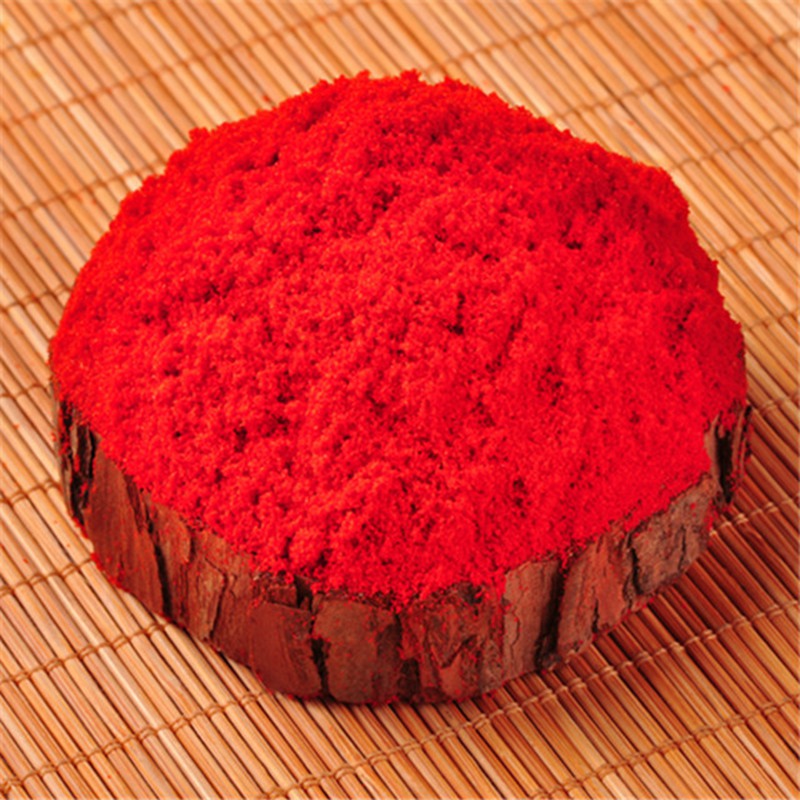
Application Case Studies and Success Stories
Case Study 1: Large-Scale Meat Processor
A leading European meat processing company faced challenges with inconsistent color and occasional microbial spikes in their sausage production, impacting visual appeal and shelf life. By switching to a high-ASTA, steam-sterilized sweet paprika spice from a certified supplier, they achieved a consistently vibrant red hue across all batches. The enhanced microbial purity reduced product spoilage rates by 15%, leading to significant cost savings and improved brand reputation. The supplier also provided expert technical support for seamless integration into their automated blending systems.
Case Study 2: International Snack Food Manufacturer
An innovator in the snack food sector sought a natural coloring and flavoring agent for a new line of baked potato chips, aiming for a clean label. The requirement was a finely ground sweet paprika seasoning that would adhere uniformly and provide a consistent, appealing orange-red color without any heat. Partnering with a specialist supplier who offered specific granulation and ASTA 140 sweet paprika ensured optimal coating, resulting in a visually attractive and deliciously flavored product that met all clean label criteria and achieved a 20% market share increase within its first year.
Ensuring Google Standards: Expertise, Experience, Authoritativeness, Trustworthiness
Our commitment to delivering superior sweet paprika products is underpinned by robust adherence to Google's principles.
Expertise:
Our team comprises food technologists and spice experts with deep understanding of carotenoid pigments, flavor chemistry, and microbial control in spice processing. We leverage this expertise to consistently produce sweet paprika spice that meets stringent technical specifications, including precise ASTA values, moisture levels, and particle size distribution, critical for optimized application performance in complex food matrices.
Experience:
With over 15 years in the spice industry, we have cultivated extensive experience serving diverse B2B clients globally. Our long-standing relationships with major food manufacturers and flavor houses attest to our capability in delivering high-volume, consistent quality. Customer feedback consistently highlights our responsiveness, reliability, and proactive problem-solving, ensuring seamless integration of our paprika products into their supply chains.
Authoritativeness:
Our production facilities and processes are certified to international standards including ISO 22000, HACCP, GMP, Kosher, and Halal. We are regularly audited by third-party certification bodies and major global food corporations, ensuring full compliance and maintaining our authoritative position in the industry. Test data, including Certificate of Analysis (COA) for every batch, is readily available, detailing parameters such as ASTA color, microbial counts, and absence of allergens and contaminants, all verified by accredited laboratories.
Trustworthiness:
We maintain full traceability from farm to factory to customer, providing complete transparency for every batch of sweet paprika powder. Our robust quality management system ensures that all products not only meet but often exceed industry benchmarks. We back our products with comprehensive warranty commitments and provide accessible customer support for any technical or logistical queries, fostering long-term, trust-based partnerships.
Frequently Asked Questions (FAQ)
-
Q: What is the typical shelf life of your sweet paprika powder?
A: Our sweet paprika powder, when stored in cool, dry conditions away from direct sunlight, typically has a shelf life of 24 months from the production date. Proper sealing in original packaging is crucial.
-
Q: Can you provide different ASTA color values for sweet paprika?
A: Yes, we offer sweet paprika with various ASTA color values, commonly ranging from 120 to 160. We can also provide customized blends to meet specific color requirements.
-
Q: Is your sweet paprika spice treated for microbial reduction?
A: Yes, our standard sweet paprika spice undergoes a validated steam sterilization process to significantly reduce microbial load, ensuring compliance with strict food safety standards. Other treatments can be arranged upon request.
-
Q: What are your minimum order quantities (MOQ)?
A: MOQs vary depending on the product and customization. Please contact our sales team with your specific requirements for a detailed quote and MOQ information.

Logistics and Support: Lead Time, Warranty, Customer Service
Lead Time & Fulfillment:
Our efficient supply chain and production planning typically ensure a lead time of 2-4 weeks for standard orders of sweet paprika spice, depending on volume and current stock levels. For customized solutions or very large orders, lead times will be communicated upon inquiry. We offer flexible shipping options globally, working with trusted logistics partners to ensure timely and secure delivery.
Warranty Commitments:
We stand by the quality of our products. All sweet paprika products are guaranteed to meet the agreed-upon technical specifications and applicable food safety regulations. In the unlikely event of any quality deviation, we offer a comprehensive warranty, including product replacement or credit, subject to our standard terms and conditions.
Dedicated Customer Support:
Our dedicated customer support team is available to assist with inquiries, technical specifications, order tracking, and any post-sales support. We provide responsive service to ensure customer satisfaction and foster long-term partnerships. Contact us via email or phone during business hours for expert assistance.
Conclusion
The selection of premium sweet paprika spice is a strategic decision for B2B food manufacturers, flavor houses, and culinary professionals. Its critical role in delivering consistent color, mild flavor, and meeting rigorous food safety standards underscores the importance of choosing a knowledgeable and reliable supplier. By understanding the intricate manufacturing processes, technical specifications, and leveraging expert support, businesses can unlock the full potential of this versatile ingredient to enhance product quality, appeal, and market competitiveness.
References
- American Spice Trade Association (ASTA) – Official Methods of Analysis.
- International Organization for Standardization (ISO) – Food safety management systems.
- Food and Drug Administration (FDA) – Regulations for Spices and Flavorings.
- Codex Alimentarius Commission – Standards for Spices and Culinary Herbs.
-
Discover Famous Paprika Powder Made Of: Origins, Quality & Global Uses
NewsDec.03,2025
-
Discovering Famous Spicy Pepper Powder: Global Uses, Benefits & Trends
NewsDec.03,2025
-
Understanding Famous Mild Dried Chilis: Global Uses, Benefits & Varieties
NewsDec.03,2025
-
Comprehensive Guide to ODM Ground Red Chilis: Quality, Applications & Trends
NewsDec.02,2025
-
Comprehensive Guide to odm Whole Red Chili: Quality, Applications & Global Impact
NewsDec.02,2025
-
Comprehensive Guide to odm Dried Red Chili Pods – Quality, Uses & Trends
NewsDec.02,2025
 Afrikaans
 Albanian
 Amharic
 Arabic
 Armenian
 Azerbaijani
 Basque
 Belarusian
 Bengali
 Bosnian
 Bulgarian
 Catalan
 Cebuano
 Corsican
 Croatian
 Czech
Czech
 Danish
 Dutch
Dutch
 Esperanto
 Estonian
 Finnish
 French
 Frisian
 Galician
 Georgian
 German
 Greek
Greek
 Gujarati
 Haitian Creole
 Hausa
Hausa
 Hawaiian
 Hebrew
 Hindi
Hindi
 Miao
Miao
 Hungarian
 Icelandic
 Igbo
Igbo
 Indonesian
 Irish
Irish
 Italian
 Japanese
 Javanese
 Kannada
 Kazakh
 Khmer
Khmer
 Rwandese
 Korean
 Kurdish
 Kyrgyz
 Lao
Lao
 Latin
Latin
 Latvian
 Lithuanian
 Luxembourgish
 Macedonian
 Malgashi
 Malay
Malay
 Malayalam
 Maltese
 Maori
Maori
 Marathi
 Mongolian
 Myanmar
 Nepali
 Norwegian
 Norwegian
 Occitan
 Pashto
 Persian
 Polish
 Portuguese
 Punjabi
 Romanian
 Russian
 Samoan
 Scottish Gaelic
 Serbian
 Sesotho
 Shona
Shona
 Sindhi
 Sinhala
 Slovak
 Slovenian
 Somali
 Spanish
 Sundanese
 Swahili
 Swedish
 Tagalog
 Tajik
Tajik
 Tamil
Tamil
 Tatar
Tatar
 Telugu
 Thai
Thai
 Turkish
 Turkmen
 Ukrainian
 Urdu
Urdu
 Uighur
 Uzbek
Uzbek
 Vietnamese
 Welsh
Welsh
 Bantu
Bantu
 Yiddish
 Yoruba
 Zulu
Zulu
 English