
LONGYAO COUNTY XURI FOOD CO.,LTD.
Oct . 28, 2025 12:45 Back to list
Pul Biber Paprika: Fresh, Authentic, Mild-Heat Flavor
A Buyer’s Field Guide to Pul Biber Paprika (30,000 SHU)
If you work with spice blends, charcuterie, or fast-casual menus, you’ve probably noticed the steady rise of Anatolian-inspired heat—call it the kebab-shop effect. In food forums and at trade shows, chefs keep asking for consistent medium heat with a clean paprika note. That’s where Pul Biber Paprika at around 30,000 Scoville Heat Units (SHU) earns its keep: dependable kick without scaring off mainstream palates.
Who’s making it (and where)?
One long-standing source is Xuri Chili, established in 1996 and based at SOUTH OF ROAD, 2 KMS EAST OF LONGYAO COUNTY, HEBEI, CHINA—about 100 km from Shijiazhuang with quick access to Tianjin Port. They manufacture dry red chilli products end-to-end: dry chilli, crushed, powder, paprika, and chili seed oil. Certifications include CIQ, SGS, FDA, ISO 22000, which—speaking frankly—matters when you’re shipping into the EU, Japan, or the U.S.
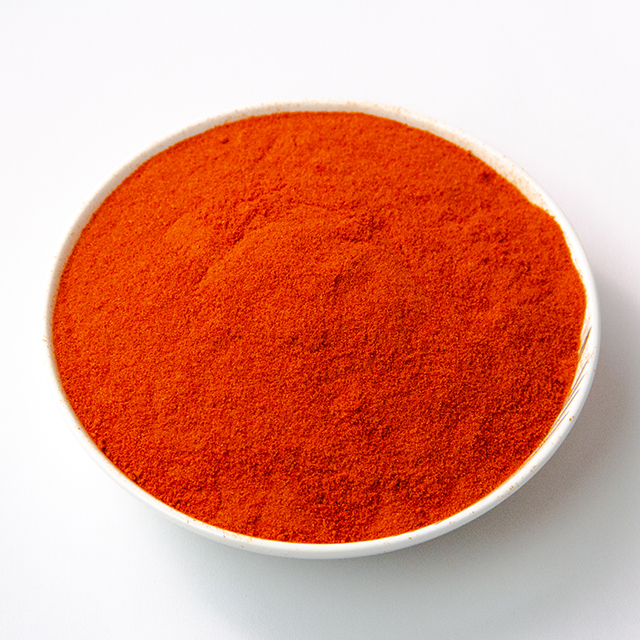
Product snapshot: chili powder-30,000SHU
| Heat level | ≈30,000 SHU (HPLC as capsaicinoids; real-world use may vary) |
| Capsaicinoids | ≈1,800–2,000 ppm total (as capsaicin equivalents) |
| Mesh size options | 20–80 mesh; coarse “pul” style available |
| Moisture | ≤10% (typical 8–9%) |
| Color (ASTA) | ≈100–160 ASTA (method-dependent) |
| Sterilization | Steam or irradiation on request |
| Packaging | 25 kg bags; 1–5 kg foodservice packs; private label possible |
| Shelf life | 18–24 months in cool, dry, dark storage |
| Certifications | CIQ, SGS, FDA, ISO 22000, HACCP |
Process flow and quality gates
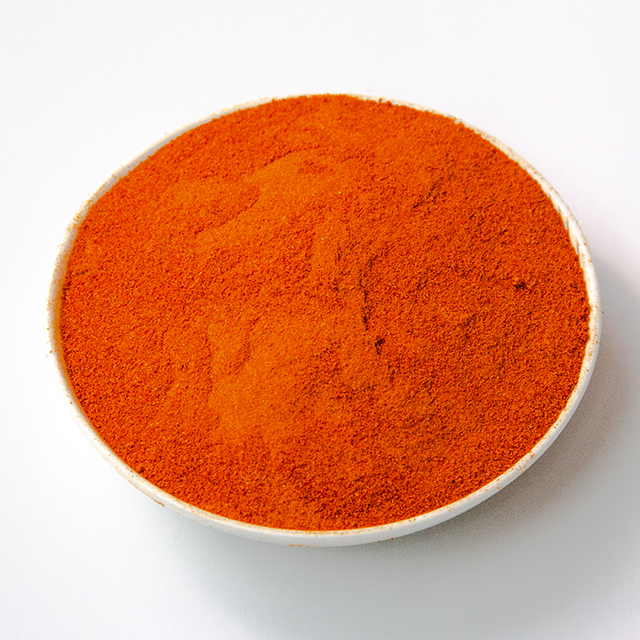
Materials: sun-dried Capsicum annuum pods with controlled seed ratio. Methods: sorting → destemming → metal detection → coarse crush → milling/sieving to spec → blending to target SHU → sterilization → QC release → packing. Testing: capsaicinoids by HPLC (AOAC 995.03), color by ASTA 21.3, moisture by AOAC methods, micro per ISO (TPC, yeast/mold, Salmonella), aflatoxins via LC-MS/MS per EU limits. Heavy metals and pesticides checked to EU/US MRLs. To be honest, not every vendor publishes numbers, but ask for a COA and method references.
Service life and handling
Keep Pul Biber Paprika sealed below 20°C, away from light and humidity. Oxidation dulls color first, then flavor—nitrogen-flushed packs help. In real kitchens, you’ll notice peak brightness first 12 months.
Applications and advantages
- Retail blends: Turkish-style pul biber, harissa, BBQ rubs.
- Foodservice: kebabs, grilled chicken marinades, shakshuka toppers.
- FMCG: snack dusting (potato/legume chips), ramen sachets, meal kits.
Advantages: consistent SHU, clean fruitiness, and a pleasant oil bloom. Many customers say they appreciate the low bitterness at this heat band—surprisingly versatile with dairy and tomato bases.
Customization levers
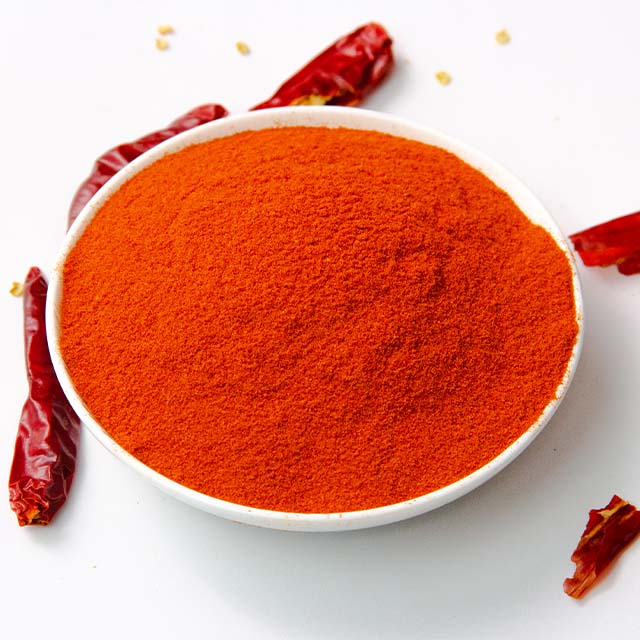
Heat tuning from ≈5,000–60,000 SHU; coarse “flake” vs powder; seed/skin ratio; ASTA color selection; steam-kill vs irradiation; anti-caking options (E551) if required; private label print runs starting around typical MOQs.
Vendor landscape (quick take)
| Vendor | Origin | Heat/Options | Certs | MOQ/Lead | Price (≈) |
|---|---|---|---|---|---|
| Xuri Chili (Hebei) | China | 30k SHU; 20–80 mesh; steam-sterilized | ISO 22000, FDA, SGS | ≈1 MT / 2–3 weeks | Mid |
| Anatolian Supplier A | Turkey | 20–50k SHU; coarse flakes focus | HACCP, ISO | ≈500 kg / 2 weeks | Mid–High |
| Indian Processor B | India | 10–60k SHU; broad mesh | FSSC/SGS | ≈1 MT / 3–4 weeks | Low–Mid |
Testing data (example COA slice)
Capsaicinoids: 1,920 ppm (HPLC); ASTA color: 138; Moisture: 8.6%; Salmonella: absent/25 g (ISO 6579); Aflatoxin total: 6 μg/kg (LC-MS/MS), compliant with EU limits. It seems routine, but this is the paperwork auditors want.
Mini case notes
- EU snack brand: shifted to Pul Biber Paprika 30k SHU for a new “warm paprika” chip—reported 12% higher repeat purchase, likely due to a friendlier mid-heat curve.
- Levantine grill chain: standardized coarse Pul Biber Paprika for tableside finishing; guests perceived it as “fresh” due to the oil sheen and aroma bloom.
Buy smart (checklist)
Ask for recent COA with method references (ASTA/AOAC), micro and aflatoxin results, SHU target and tolerance, mesh spec, sterilization method, and shelf-life statement. Actually, a small pilot in your base sauce or snack oil makes decisions faster than any PDF.
Standards and references
- ASTA Analytical Methods for Spices and Color (e.g., ASTA 21.3 for color)
- AOAC 995.03: Capsaicinoids in Capsicum by HPLC
- ISO 22000:2018 Food Safety Management Systems
- EU Reg. 1881/2006 (and updates): contaminants (aflatoxins) in foodstuffs
- EU Reg. 396/2005: pesticide residue MRLs
- ISO 6579, ISO 4833, ISO 21527: microbiological methods for Salmonella, TPC, yeasts/molds
-
Discover Famous Paprika Powder Made Of: Origins, Quality & Global Uses
NewsDec.03,2025
-
Discovering Famous Spicy Pepper Powder: Global Uses, Benefits & Trends
NewsDec.03,2025
-
Understanding Famous Mild Dried Chilis: Global Uses, Benefits & Varieties
NewsDec.03,2025
-
Comprehensive Guide to ODM Ground Red Chilis: Quality, Applications & Trends
NewsDec.02,2025
-
Comprehensive Guide to odm Whole Red Chili: Quality, Applications & Global Impact
NewsDec.02,2025
-
Comprehensive Guide to odm Dried Red Chili Pods – Quality, Uses & Trends
NewsDec.02,2025
 Afrikaans
 Albanian
 Amharic
 Arabic
 Armenian
 Azerbaijani
 Basque
 Belarusian
 Bengali
 Bosnian
 Bulgarian
 Catalan
 Cebuano
 Corsican
 Croatian
 Czech
Czech
 Danish
 Dutch
Dutch
 Esperanto
 Estonian
 Finnish
 French
 Frisian
 Galician
 Georgian
 German
 Greek
Greek
 Gujarati
 Haitian Creole
 Hausa
Hausa
 Hawaiian
 Hebrew
 Hindi
Hindi
 Miao
Miao
 Hungarian
 Icelandic
 Igbo
Igbo
 Indonesian
 Irish
Irish
 Italian
 Japanese
 Javanese
 Kannada
 Kazakh
 Khmer
Khmer
 Rwandese
 Korean
 Kurdish
 Kyrgyz
 Lao
Lao
 Latin
Latin
 Latvian
 Lithuanian
 Luxembourgish
 Macedonian
 Malgashi
 Malay
Malay
 Malayalam
 Maltese
 Maori
Maori
 Marathi
 Mongolian
 Myanmar
 Nepali
 Norwegian
 Norwegian
 Occitan
 Pashto
 Persian
 Polish
 Portuguese
 Punjabi
 Romanian
 Russian
 Samoan
 Scottish Gaelic
 Serbian
 Sesotho
 Shona
Shona
 Sindhi
 Sinhala
 Slovak
 Slovenian
 Somali
 Spanish
 Sundanese
 Swahili
 Swedish
 Tagalog
 Tajik
Tajik
 Tamil
Tamil
 Tatar
Tatar
 Telugu
 Thai
Thai
 Turkish
 Turkmen
 Ukrainian
 Urdu
Urdu
 Uighur
 Uzbek
Uzbek
 Vietnamese
 Welsh
Welsh
 Bantu
Bantu
 Yiddish
 Yoruba
 Zulu
Zulu
 English