
LONGYAO COUNTY XURI FOOD CO.,LTD.
Oct . 18, 2025 12:20 Back to list
Crush Chili Peppers – Fresh Aroma, Bold Heat, Consistent Cut
Inside the Heat: chili crushed-18,000SHU for Real-World Kitchens and Brands
If you’ve followed the new wave of spicy snacks, ramen, and hot-but-not-insane meal kits, you’ve seen a quiet shift: consistent, clean-label heat is in. That’s exactly where crush chili peppers step up. To be honest, chefs and product developers keep telling me the same thing—predictable SHU, flexible cut size, and tight safety specs beat novelty any day.
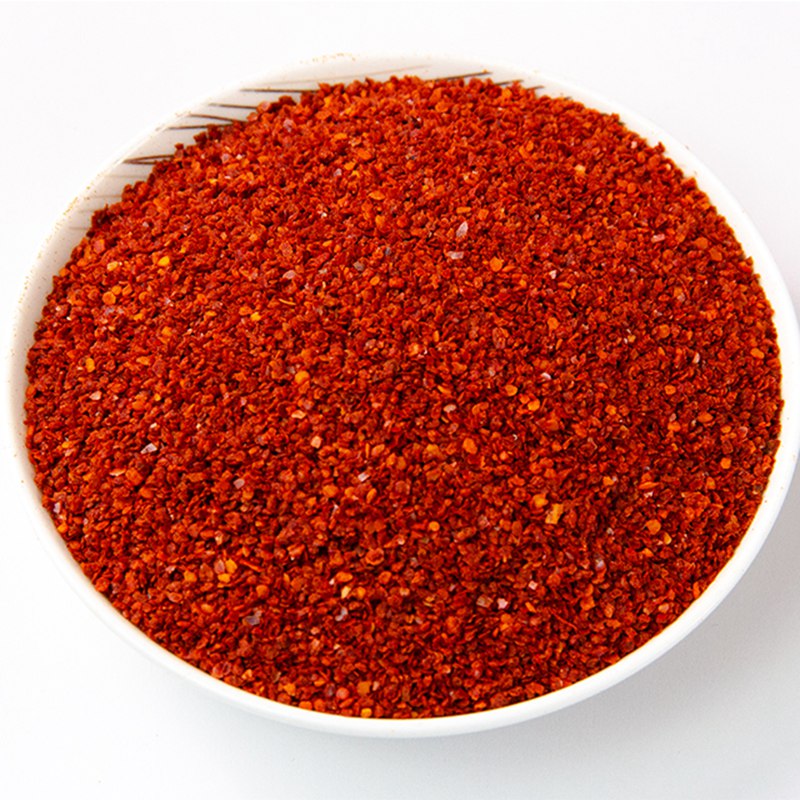
What is chili crushed-18,000SHU?
In short, a 100% natural, additive-free crushed Capsicum annuum with target pungency around 18,000 Scoville Heat Units (SHU). Bright red, clean flavor, and—this matters—batch-to-batch stability. Origin is SOUTH OF ROAD,2 KMS EAST OF LONGYAO COUNTY,HEBEI CHINA, a region that’s quietly become a reliable hub for standardized heat ingredients. Many customers say they prefer this spec because it’s hot enough for mainstream applications without blowing out palates.
Quick Specs (typical production lot)
| Parameter | Specification (≈) | Method/Note |
|---|---|---|
| Pungency | 18,000 SHU ±10% | HPLC (ASTA 21.3 / AOAC 995.03) |
| Moisture | ≤ 12% | ISO 7543 / oven-dry |
| Color value (ASTA) | ≈ 80–100 | Representative; real-world use may vary |
| Particle size | 3–5 mm flakes (customizable) | Sieved; tight tolerances |
| Aflatoxin B1 | ≤ 5 µg/kg | GB/Codex-aligned screening + LC |
| Microbiology | TPC ≤ 1×10^5 cfu/g; Salmonella n.d./25g | ISO methods; CCP metal detection |
| Shelf life | 24 months | Cool, dry, ≤ 25°C; oxygen barrier best |
How it’s made (short version)
Materials: mature sun-dried Capsicum annuum pods, food-grade packaging (PE/AL/PE or paper bag + liner), optional oxygen absorber.
Method flow: raw selection → washing & destemming → air drying → metal detection → color sorting → controlled crushing → sieving (target 3–5 mm) → steam pasteurization ≈ 85–95°C (30–60s) → cooling → QC lab (HPLC SHU, moisture, micro) → packing.
Testing standards: ASTA 21.3 / AOAC 995.03 for capsaicinoids; ISO/GB for moisture and contaminants; HACCP plan with documented CCPs. Certifications available on request: ISO 22000/FSMS, BRCGS, HALAL, KOSHER.
Where it’s used (and why)
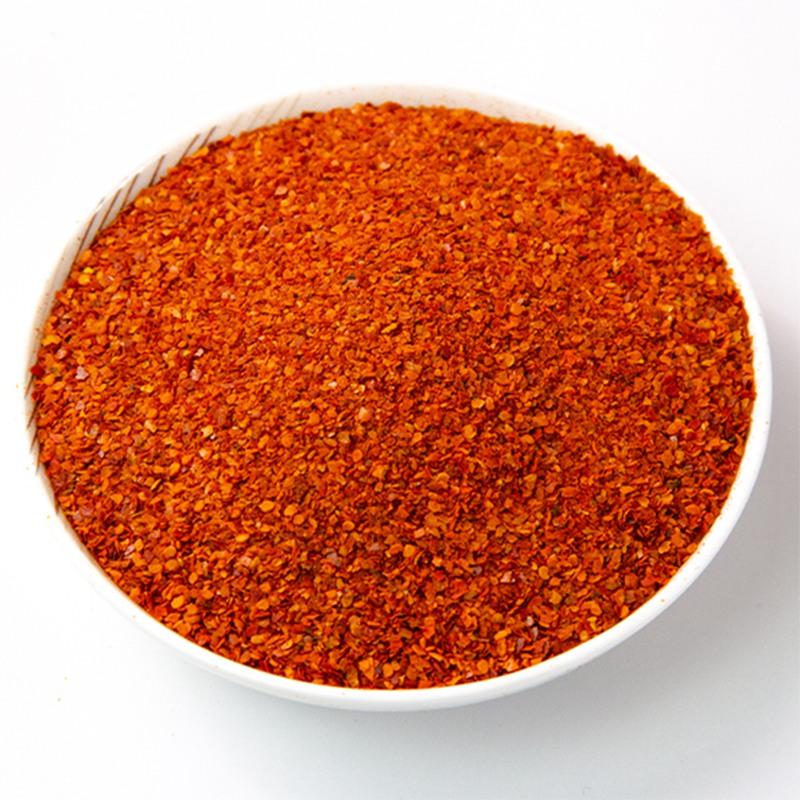
crush chili peppers shine in premium ramen toppings, chili oils, pizza flakes, snack coatings, jerky rubs, ready sauces, and meal kits. Developers like the 18k SHU because it layers heat without muting tomato, garlic, or smoke notes. Advantages: repeatability, clean label, flexible grind, and cost-stable sourcing.
Customization options
- Spiciness bands: ≈ 8k, 12k, 18k, 25k SHU
- Color tuning: deep red vs bright red
- Particle size: 1–2 mm dusted flakes to 6–8 mm
- Packaging: 1 kg, 5 kg, 20–25 kg; gas-flushed retail on request
Vendor snapshot (real-world buying factors)
| Vendor | Traceability | Consistency (SHU) | Customization | Certs | Lead Time |
|---|---|---|---|---|---|
| XuriChili (Manufacturer) | Field → lot → HPLC COA | Tight (±10%) | Cut/SHU/pack color | ISO 22000, BRCGS, Halal, Kosher | 7–15 days |
| Generic Exporter A | Lot-level only | Variable | Limited | Self-declared | 15–30 days |
| Bulk Trader B | Mixed origins | Inconsistent | Minimal | Varies | Stock dependent |

Case notes from the field
QSR ramen chain: switched to crush chili peppers 18k SHU for table toppers; reported 20% fewer “too spicy” complaints and brighter bowl color. “Guests love the control,” their ops lead told me.
Snack coater: used 3 mm cut for a chili-lime chip. Lab data: SHU 18,200; moisture 9.8%; ASTA color 92; Aflatoxin B1 < 2 µg/kg; Salmonella not detected—clean run, no rework.
Practical notes (buying and handling)
- Industries: foodservice, sauces, snacks, jerky, frozen meals, meal kits.
- Store cool/dry, away from light; reseal fast to preserve volatiles.
- Gas-flushed packaging extends color and aroma life, especially post-opening.
Standards & references
- ASTA Method 21.3: Pungency of Capsicum by HPLC — American Spice Trade Association. https://www.astaspice.org
- AOAC 995.03: Capsaicinoids in Capsicum by HPLC — AOAC INTERNATIONAL. https://www.aoac.org
- ISO 7543 series: Capsicum annuum (paprika/chili) specifications and tests. https://www.iso.org
- Codex Standard for Spices and Culinary Herbs (CXS 326-2017). https://www.fao.org/fao-who-codexalimentarius
- GB 2761: Limits of Mycotoxins in Foods — National Standard of China. http://english.gsxt.gov.cn/ (reference portal)
-
Discover Famous Paprika Powder Made Of: Origins, Quality & Global Uses
NewsDec.03,2025
-
Discovering Famous Spicy Pepper Powder: Global Uses, Benefits & Trends
NewsDec.03,2025
-
Understanding Famous Mild Dried Chilis: Global Uses, Benefits & Varieties
NewsDec.03,2025
-
Comprehensive Guide to ODM Ground Red Chilis: Quality, Applications & Trends
NewsDec.02,2025
-
Comprehensive Guide to odm Whole Red Chili: Quality, Applications & Global Impact
NewsDec.02,2025
-
Comprehensive Guide to odm Dried Red Chili Pods – Quality, Uses & Trends
NewsDec.02,2025
 Afrikaans
 Albanian
 Amharic
 Arabic
 Armenian
 Azerbaijani
 Basque
 Belarusian
 Bengali
 Bosnian
 Bulgarian
 Catalan
 Cebuano
 Corsican
 Croatian
 Czech
Czech
 Danish
 Dutch
Dutch
 Esperanto
 Estonian
 Finnish
 French
 Frisian
 Galician
 Georgian
 German
 Greek
Greek
 Gujarati
 Haitian Creole
 Hausa
Hausa
 Hawaiian
 Hebrew
 Hindi
Hindi
 Miao
Miao
 Hungarian
 Icelandic
 Igbo
Igbo
 Indonesian
 Irish
Irish
 Italian
 Japanese
 Javanese
 Kannada
 Kazakh
 Khmer
Khmer
 Rwandese
 Korean
 Kurdish
 Kyrgyz
 Lao
Lao
 Latin
Latin
 Latvian
 Lithuanian
 Luxembourgish
 Macedonian
 Malgashi
 Malay
Malay
 Malayalam
 Maltese
 Maori
Maori
 Marathi
 Mongolian
 Myanmar
 Nepali
 Norwegian
 Norwegian
 Occitan
 Pashto
 Persian
 Polish
 Portuguese
 Punjabi
 Romanian
 Russian
 Samoan
 Scottish Gaelic
 Serbian
 Sesotho
 Shona
Shona
 Sindhi
 Sinhala
 Slovak
 Slovenian
 Somali
 Spanish
 Sundanese
 Swahili
 Swedish
 Tagalog
 Tajik
Tajik
 Tamil
Tamil
 Tatar
Tatar
 Telugu
 Thai
Thai
 Turkish
 Turkmen
 Ukrainian
 Urdu
Urdu
 Uighur
 Uzbek
Uzbek
 Vietnamese
 Welsh
Welsh
 Bantu
Bantu
 Yiddish
 Yoruba
 Zulu
Zulu
 English