
LONGYAO COUNTY XURI FOOD CO.,LTD.
Oct . 08, 2025 22:35 Back to list
Red Pepper Flakes: Fresh, Vibrant Heat - Bulk or Retail?
Inside “Tianying cut”: the premium chili cut powering modern spice blends
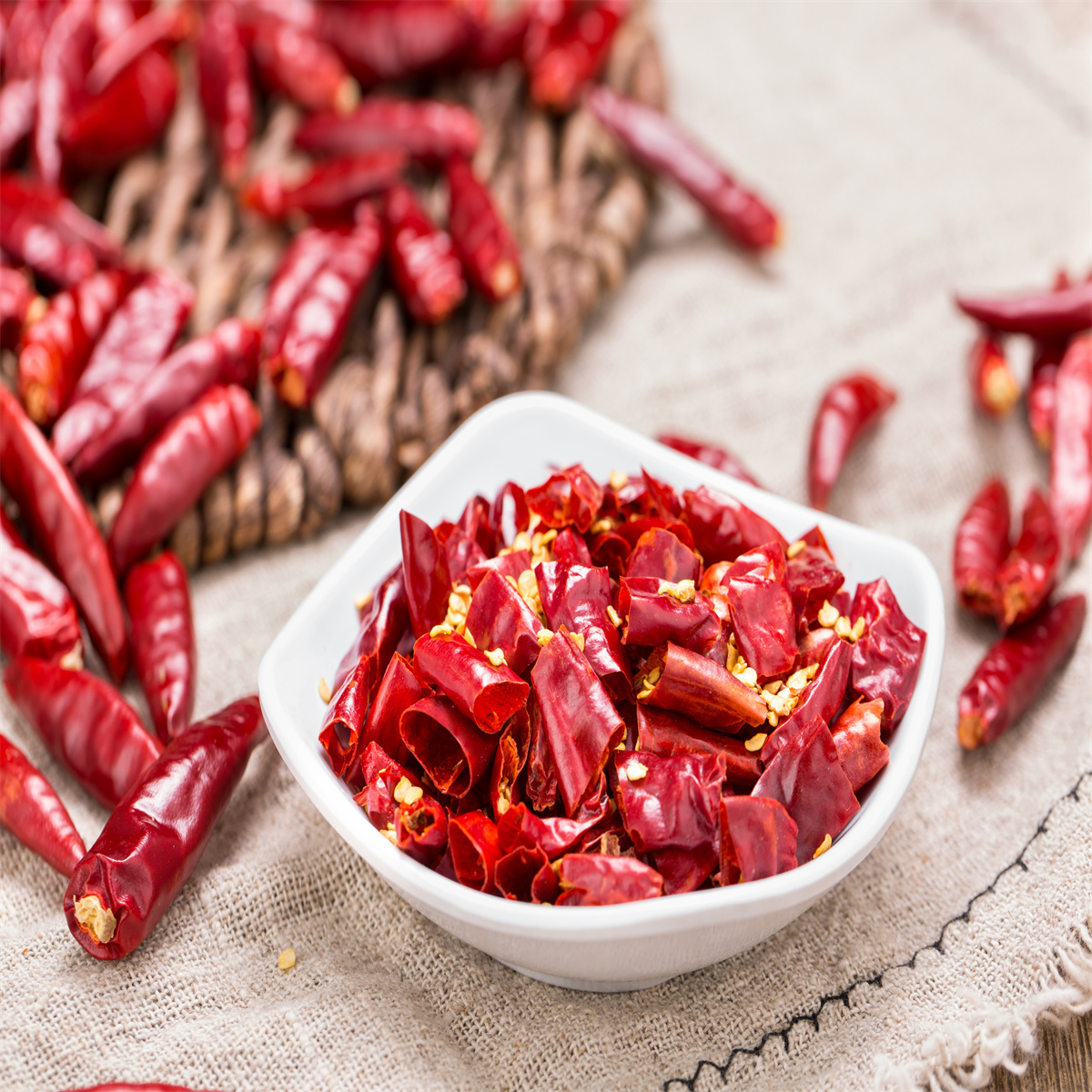
On a dusty side road—Origin: SOUTH OF ROAD,2 KMS EAST OF LONGYAO COUNTY, HEBEI, CHINA—I watched a production line turning whole Capsicum annuum pods into something chefs and buyers keep asking for: red pepper flakes. The factory team calls the product “Tianying cut.” I call it a quietly sophisticated workhorse: clean-label, consistent, and surprisingly customizable.
What sets it apart (and where the market is heading)
Trends first. Buyers want vibrant color, predictable heat, and traceability—without additives. “Tianying cut” aligns with that: 100% natural, a bright red hue that holds through cooking, and options for seed ratio and cut length so R&D teams can dial in exact texture. Many customers say the consistency reduces batch-to-batch tweaking in sauces and meal kits. And yes, demand is growing in snack coatings and pizza chains—places where red pepper flakes are not just garnish but a core flavor driver.
Product specs (typical targets)
| Parameter | “Tianying cut” (≈ values) |
|---|---|
| Cut length options | ≈3–15 mm (common: 3–8 mm), tolerance ±1 mm |
| Seeds proportion | Customizable ≈5%–60% by weight |
| Heat (SHU) | ≈8,000–20,000 SHU (varietal dependent; HPLC) |
| Moisture | ≤12% (real-world use may vary with climate) |
| Color (ASTA) | ≈80–120 ASTA |
| Micro (typical release) | Salmonella: absent/25 g (ISO 6579); APC & yeast/mold per ISO 4833-1/21527 |
| Shelf life | 18–24 months in cool, dry conditions, sealed |
Process flow, briefly (the nerdy bit)
Raw material selection (cayenne-type pods) → destemming & washing → low-temp drying to target moisture → calibrated cutting → sieving by length → seed proportion adjustment → metal detection (Fe ≈≥1.5 mm) → microbial & SHU testing (HPLC/ASTA) → packaging. Food safety systems typically align with ISO 22000/HACCP; buyers should request current certificates and lot COAs, obviously.
Applications and advantages
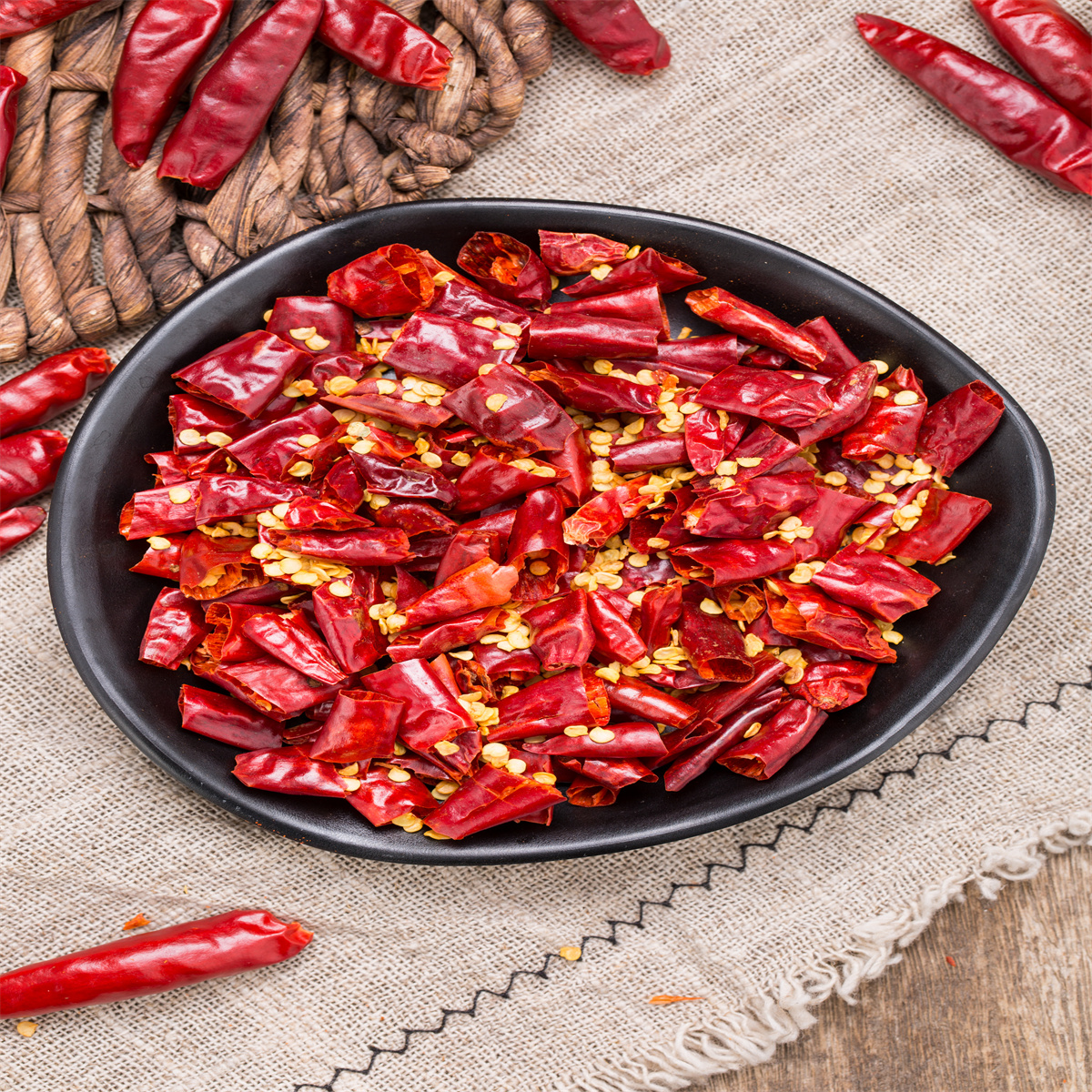
- Foodservice: table-side red pepper flakes that look bright, not tired.
- RTE/Meal kits: heat and texture tuning via seed ratio, fewer reformulations.
- Snacks & coatings: stable color; consistent adhesion in oil slurries.
- Sauces & pastes: predictable SHU makes scaling easier.
- Meat & plant protein: visible cues without overpowering burn.
Advantages I’ve noticed: batch traceability, flexible cut/seed specs, and that “honest” chili aroma you want when the bag opens. Some buyers told me freight packing (moisture-barrier lined bags) has reduced caking in humid ports—nice touch.
Vendor snapshot (what buyers compare)
| Vendor | Heat consistency | Customization | Standards (typical) | Lead time |
|---|---|---|---|---|
| “Tianying cut” (Hebei) | Tight SHU window (HPLC) | Cut length + seed ratio | ISO 22000/HACCP (verify current) | ≈2–4 weeks ex-works |
| Generic bulk trader | Variable by lot | Limited | Basic COA | Stock-dependent |
| Local packer | Moderate control | Some options | GMP; HACCP optional | Fast domestically |
Customization and QA
Length and seed proportion are dialed in per brief; heat is blended to target SHU; color is tracked with ASTA values. Routine tests reference ISO microbiology, ASTA color, and AOAC/ASTA heat methods. To be honest, the best results come when R&D teams share application details (oil %, cook time), so the supplier can match the cut to the process.
Mini case studies
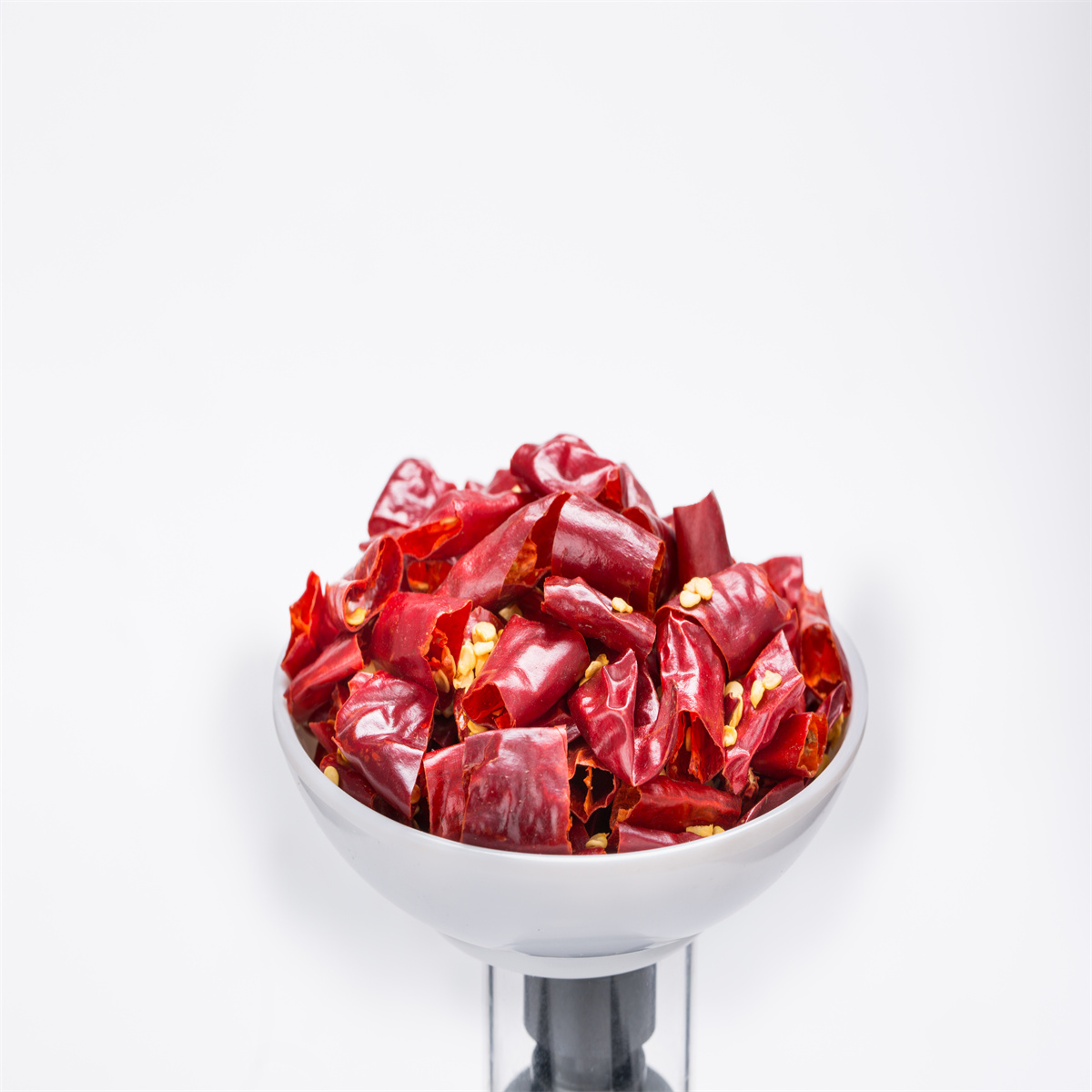
Quick‑service pizza chain: Switched to “Tianying cut” with a 5–7 mm cut, low seed ratio. Result: brighter visual pop on pies and fewer customer complaints about uneven heat. Ops team said sachet fill weights stayed stable across seasons.
Snack coater (baked chips): Needed higher seed for crunch and a mid-range SHU. After trials, they set 12 mm cut with ≈35% seeds; color stayed above 90 ASTA after oven pass—good enough that marketing leaned into the visible red pepper flakes story.
Buyer checklist
- Request COA with SHU (HPLC), moisture, color, micro, and metal-detect records.
- Ask for recent ISO 22000/HACCP certificates and allergen statements.
- Confirm shelf-life studies under your packaging and route conditions.
- Pilot in your process; adjust seed ratio if perceived heat feels high.
If you’re speccing red pepper flakes for 2025 SKUs, this is a credible, clean-label option with the knobs that matter—length, seeds, heat—set precisely for the job.
References
- ISO 22000:2018 — Food safety management systems. https://www.iso.org/standard/65464.html
- Codex Alimentarius — Standard for Spices and Culinary Herbs (CXS 326-2017). https://www.fao.org/fao-who-codexalimentarius
- ISO 6579 — Microbiology of the food chain — Salmonella detection. https://www.iso.org/standard/56712.html
- ISO 4833-1 and ISO 21527 — Aerobic count; Yeasts/Moulds in food. https://www.iso.org
- ASTA Methods and Cleanliness Specifications (color/quality guidance). https://www.astaspice.org
-
Discover Famous Paprika Powder Made Of: Origins, Quality & Global Uses
NewsDec.03,2025
-
Discovering Famous Spicy Pepper Powder: Global Uses, Benefits & Trends
NewsDec.03,2025
-
Understanding Famous Mild Dried Chilis: Global Uses, Benefits & Varieties
NewsDec.03,2025
-
Comprehensive Guide to ODM Ground Red Chilis: Quality, Applications & Trends
NewsDec.02,2025
-
Comprehensive Guide to odm Whole Red Chili: Quality, Applications & Global Impact
NewsDec.02,2025
-
Comprehensive Guide to odm Dried Red Chili Pods – Quality, Uses & Trends
NewsDec.02,2025
 Afrikaans
 Albanian
 Amharic
 Arabic
 Armenian
 Azerbaijani
 Basque
 Belarusian
 Bengali
 Bosnian
 Bulgarian
 Catalan
 Cebuano
 Corsican
 Croatian
 Czech
Czech
 Danish
 Dutch
Dutch
 Esperanto
 Estonian
 Finnish
 French
 Frisian
 Galician
 Georgian
 German
 Greek
Greek
 Gujarati
 Haitian Creole
 Hausa
Hausa
 Hawaiian
 Hebrew
 Hindi
Hindi
 Miao
Miao
 Hungarian
 Icelandic
 Igbo
Igbo
 Indonesian
 Irish
Irish
 Italian
 Japanese
 Javanese
 Kannada
 Kazakh
 Khmer
Khmer
 Rwandese
 Korean
 Kurdish
 Kyrgyz
 Lao
Lao
 Latin
Latin
 Latvian
 Lithuanian
 Luxembourgish
 Macedonian
 Malgashi
 Malay
Malay
 Malayalam
 Maltese
 Maori
Maori
 Marathi
 Mongolian
 Myanmar
 Nepali
 Norwegian
 Norwegian
 Occitan
 Pashto
 Persian
 Polish
 Portuguese
 Punjabi
 Romanian
 Russian
 Samoan
 Scottish Gaelic
 Serbian
 Sesotho
 Shona
Shona
 Sindhi
 Sinhala
 Slovak
 Slovenian
 Somali
 Spanish
 Sundanese
 Swahili
 Swedish
 Tagalog
 Tajik
Tajik
 Tamil
Tamil
 Tatar
Tatar
 Telugu
 Thai
Thai
 Turkish
 Turkmen
 Ukrainian
 Urdu
Urdu
 Uighur
 Uzbek
Uzbek
 Vietnamese
 Welsh
Welsh
 Bantu
Bantu
 Yiddish
 Yoruba
 Zulu
Zulu
 English