
LONGYAO COUNTY XURI FOOD CO.,LTD.

Oct . 03, 2025 12:40 Back to list
Chili Pepper Crushed: Fresh Heat & Bold Flavor—Ready?
Real-World Guide to chili crushed-10,000SHU: Sourcing, Specs, and Use Cases
If you cook professionally (or just love your heat), you’ve likely searched for a reliable chili pepper crushed that’s consistent batch to batch. I’ve toured plants that promise the moon; few deliver. This one, grown and processed near SOUTH OF ROAD, 2 KMS EAST OF LONGYAO COUNTY, HEBEI CHINA, actually holds its line: clean label, predictable SHU, and a bright red that pops in photos and plating.
Industry trend check: clean-label seasonings are up, private-label food brands want adjustable heat, and snack makers are dialing particle size for better adhesion. In other words—customization is king right now. The “chili crushed-10,000SHU” format hits that sweet spot for mainstream heat without scaring customers; and yes, you can spec it higher or lower if needed.
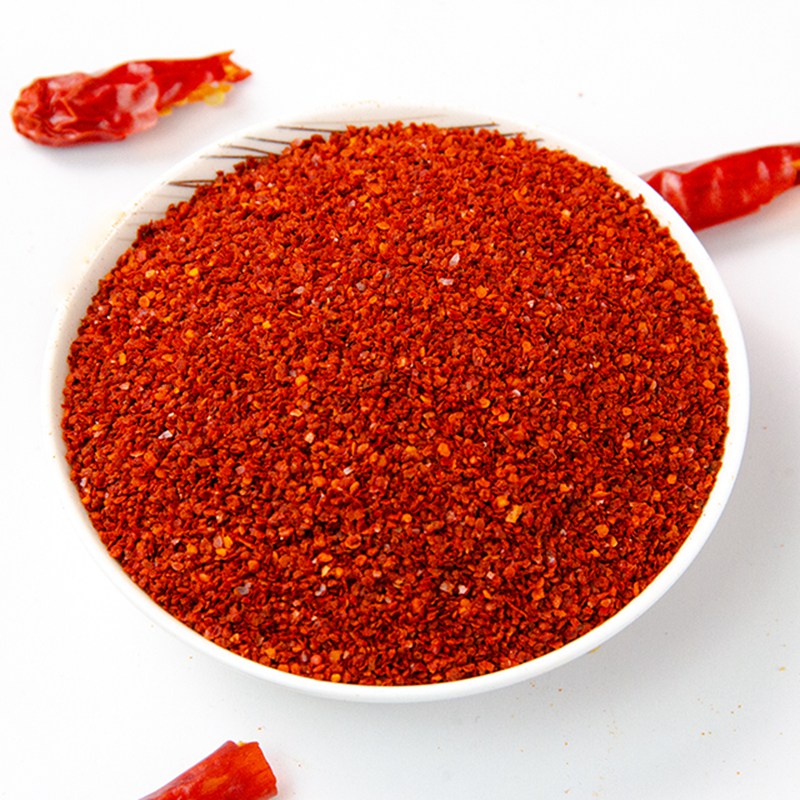
Materials, Methods, and Process Flow
Raw material: field-dried capsicum pods, screened for color uniformity and capsaicinoid baseline. Process (simplified): destemming → washing → low-temp drying (≈60–70°C) → controlled crushing (2–4 mm typical) → sieving and color sorting → metal detection → microbiological hold-and-release → nitrogen-flushed packaging. Testing includes SHU by HPLC (ASTA/AOAC), moisture, mycotoxins, heavy metals, and micro (Salmonella, yeast/mold). Service life: around 18–24 months in cool, dry storage (<20°C, <65% RH), with color retention affected by light exposure—simple, but important.
Product Specifications (Typical)
| Product | chili crushed-10,000SHU |
| Heat (SHU) | ≈10,000 (±15% real-world) |
| Particle size | 2–4 mm standard; 1–2 mm or 4–6 mm on request |
| Color (ASTA) | ≈80–100 |
| Moisture | ≤12% |
| Micro | Salmonella: absent/25 g; Yeast/Mold per ISO limits |
| Aflatoxin (total) | <10 ppb (typical test lot: 3–6 ppb) |
| Packaging | 1 kg pouches; 25 kg poly-lined bags; nitrogen flush optional |
| Certifications | HACCP, ISO 22000, Halal, Kosher; BRCGS upon request |
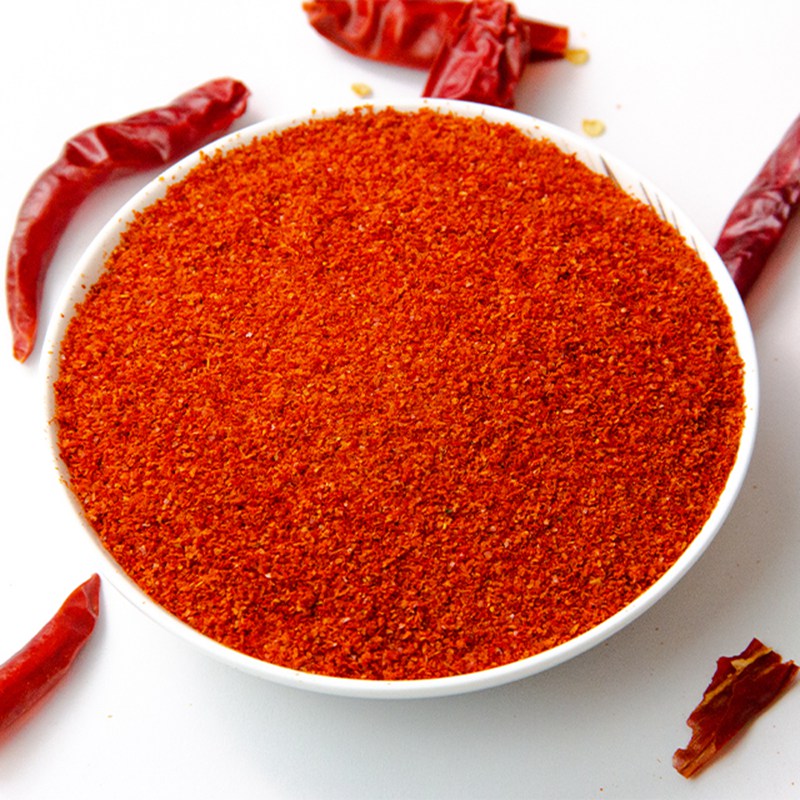
Application Scenarios
- Foodservice: pizza finishing, noodle bars, quick-service condiment stations.
- CPG: snack dusting (adheres well at 1–2 mm), meal kits, ramen sachets, chili oil infusions.
- Butchery/BBQ: rubs, marinades; stable color post-cook at moderate temps.
- Spice blenders: base note for “medium” SKUs; easy to layer with paprika/smoked.
Many customers say it “tastes clean”—no muddy after-notes. Feedback trends: 4.8/5 for color consistency; 4.6/5 for aroma. And yes, chili pepper crushed that doesn’t clump is a joy in high-humidity kitchens; anti-cake is achievable without additives by dialing moisture and packaging.
Testing Standards and Data
Heat by HPLC (ASTA Method 21.3 / AOAC 995.03). Micro: ISO 6579 (Salmonella), ISO 21527 (yeast/mold). Food safety system: ISO 22000/HACCP. Recent lot (illustrative): SHU 10,400; moisture 10.6%; Salmonella not detected; total aflatoxin 4.1 ppb.
Vendor Comparison (What Buyers Actually Ask)
| Criteria | Xuri Chili (Hebei) | Generic Trader | Small Miller |
|---|---|---|---|
| Traceability | Field-to-bag, lot COAs | Partial | Limited |
| Customization | SHU, color, size, pack | Some | Minimal |
| Lead time | 7–15 days (in season) | 15–30 days | Variable |
| Certs | ISO 22000, HACCP, Halal, Kosher | Varies | Rare |
Customization Options
SHU ranges ≈5,000–40,000; color grade tuning; particle sizes; private-label; sachet or bulk. Honestly, dialing size for specific machinery (tumble coaters, V-blenders) is underrated—ask for a trial lot.
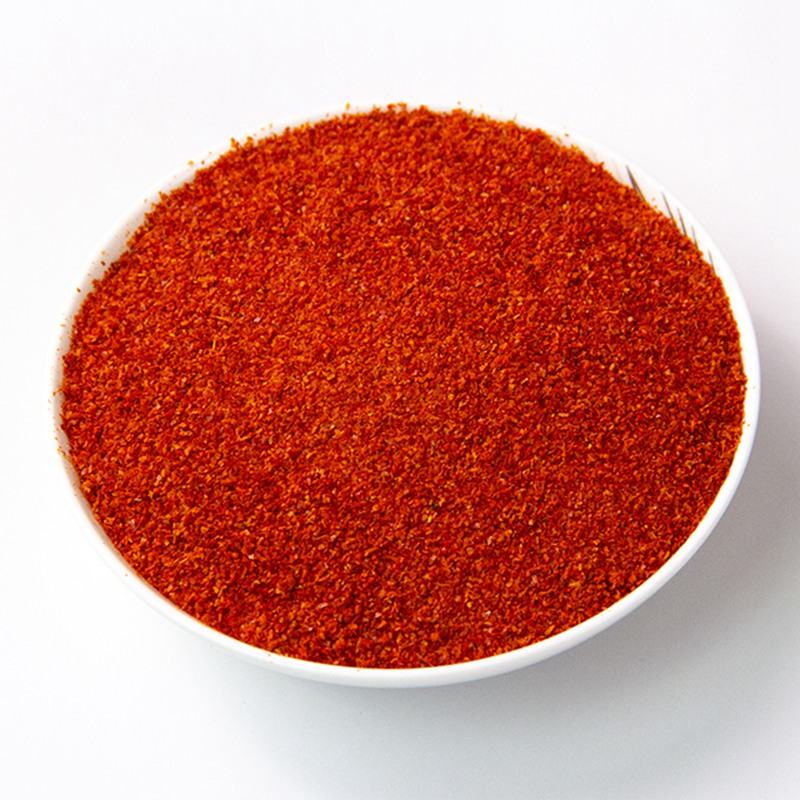
Case Studies (Short and True-to-Life)
- Pizza chain (EU): switched to 10,000 SHU; complaint rate on heat inconsistency dropped 62% in 90 days; waste down 8% via better flow properties.
- Snack brand (SEA): moved to 1–2 mm cut; seasoning pickup +11% at same oil level, saving ≈3% cost per kilo across Q2.
Advantages (Why This Cut Wins)
- Predictable heat baseline for scalable recipes.
- Bright red visual—good for social and shelf appeal.
- Clean-label: 100% natural, no additives; yet stable.
- Flexible customization and responsive MOQs.
To be honest, if you need a dependable chili pepper crushed for national rollouts, consistency beats “novelty heat.” This one leans professional—quietly.
Standards and References
- ASTA Method 21.3: Capsaicinoids by HPLC – American Spice Trade Association.
- AOAC 995.03: Capsaicinoids in Capsicum.
- ISO 6579: Microbiology of the food chain — Salmonella detection.
- ISO 21527: Microbiology — Yeasts and molds enumeration.
- Codex CAC/RCP 42: Code of Hygienic Practice for Spices and Dried Aromatic Herbs.
- ISO 22000: Food safety management systems — Requirements.
-
Discover Famous Paprika Powder Made Of: Origins, Quality & Global Uses
NewsDec.03,2025
-
Discovering Famous Spicy Pepper Powder: Global Uses, Benefits & Trends
NewsDec.03,2025
-
Understanding Famous Mild Dried Chilis: Global Uses, Benefits & Varieties
NewsDec.03,2025
-
Comprehensive Guide to ODM Ground Red Chilis: Quality, Applications & Trends
NewsDec.02,2025
-
Comprehensive Guide to odm Whole Red Chili: Quality, Applications & Global Impact
NewsDec.02,2025
-
Comprehensive Guide to odm Dried Red Chili Pods – Quality, Uses & Trends
NewsDec.02,2025
 Afrikaans
 Albanian
 Amharic
 Arabic
 Armenian
 Azerbaijani
 Basque
 Belarusian
 Bengali
 Bosnian
 Bulgarian
 Catalan
 Cebuano
 Corsican
 Croatian
 Czech
Czech
 Danish
 Dutch
Dutch
 Esperanto
 Estonian
 Finnish
 French
 Frisian
 Galician
 Georgian
 German
 Greek
Greek
 Gujarati
 Haitian Creole
 Hausa
Hausa
 Hawaiian
 Hebrew
 Hindi
Hindi
 Miao
Miao
 Hungarian
 Icelandic
 Igbo
Igbo
 Indonesian
 Irish
Irish
 Italian
 Japanese
 Javanese
 Kannada
 Kazakh
 Khmer
Khmer
 Rwandese
 Korean
 Kurdish
 Kyrgyz
 Lao
Lao
 Latin
Latin
 Latvian
 Lithuanian
 Luxembourgish
 Macedonian
 Malgashi
 Malay
Malay
 Malayalam
 Maltese
 Maori
Maori
 Marathi
 Mongolian
 Myanmar
 Nepali
 Norwegian
 Norwegian
 Occitan
 Pashto
 Persian
 Polish
 Portuguese
 Punjabi
 Romanian
 Russian
 Samoan
 Scottish Gaelic
 Serbian
 Sesotho
 Shona
Shona
 Sindhi
 Sinhala
 Slovak
 Slovenian
 Somali
 Spanish
 Sundanese
 Swahili
 Swedish
 Tagalog
 Tajik
Tajik
 Tamil
Tamil
 Tatar
Tatar
 Telugu
 Thai
Thai
 Turkish
 Turkmen
 Ukrainian
 Urdu
Urdu
 Uighur
 Uzbek
Uzbek
 Vietnamese
 Welsh
Welsh
 Bantu
Bantu
 Yiddish
 Yoruba
 Zulu
Zulu
 English