
LONGYAO COUNTY XURI FOOD CO.,LTD.
Oct . 19, 2025 12:10 Back to list
Red Pepper Powder for Kimchi - Sun-Dried, Seedless
Gochugaru for Kimchi: A Field Guide from the Factory Floor to Your Fermentation Crock
If you’ve ever wondered why some kimchi glows ruby-red and tastes clean while others skew muddy or bitter, the answer is often the pepper. For the record, when I say red pepper powder for kimchi, I mean properly milled gochugaru—consistent mesh, predictable heat, and zero funky additives. I’ve spent enough time in spice plants (and more than a few kimchi factories) to know the difference shows up in the jar, not just the lab sheet.
What’s moving the market
Three trends stand out: clean-label (no anti-caking agents), color stability across long ferments (ASTA ≈ 150–200 is the sweet spot), and heat calibration for export-ready SKUs (typically 3,000–8,000 SHU). Brands want consistency batch-to-batch; home fermenters—actually—want the same thing, just with smaller bags.
Product profile: Gochugaru from Hebei
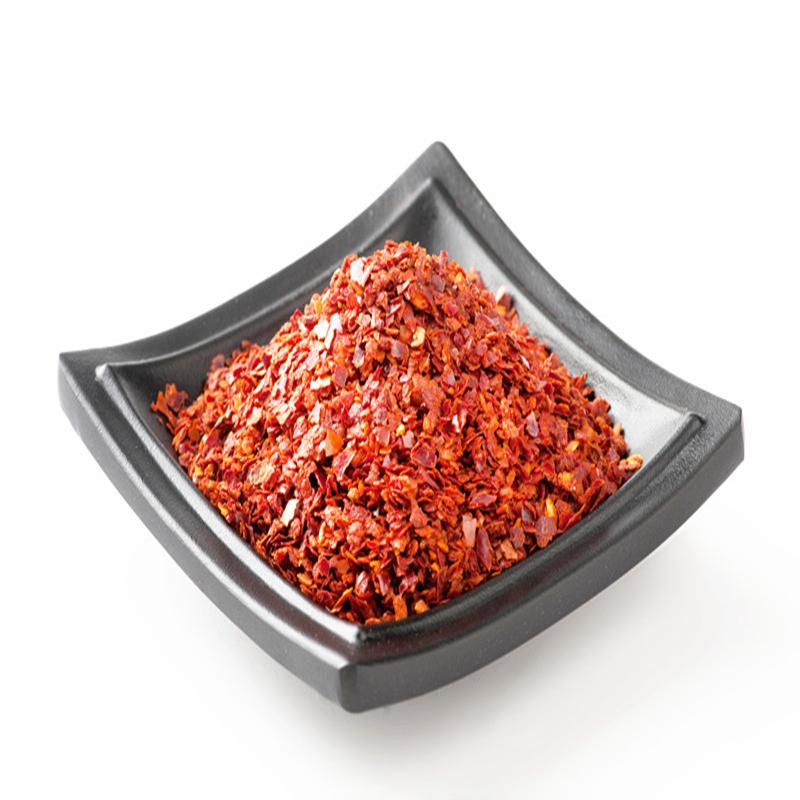
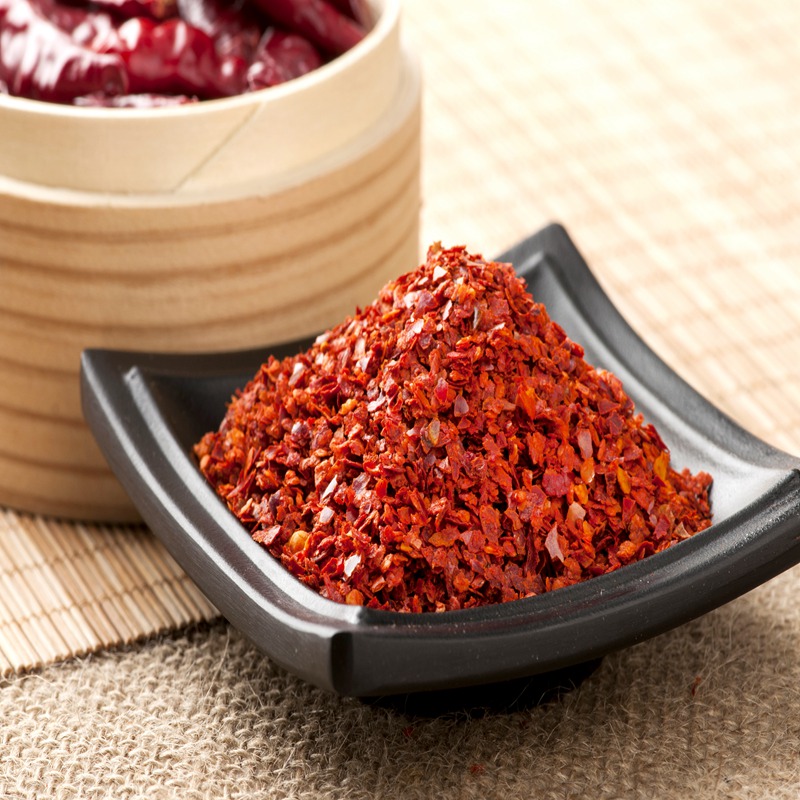
This lot is produced near SOUTH OF ROAD, 2 KMS EAST OF LONGYAO COUNTY, HEBEI CHINA. The chilies are sun-dried, destemmed, partially deseeded, and milled low-temp to protect carotenoids. Many customers say the flavor lands clean and slightly fruity; I’d agree. It seems that the zero-additive approach pays off in fermentation stability.
| Spec | Typical Value (≈, real-world use may vary) |
|---|---|
| Product name | Gochugaru (chili flakes/powder) |
| Heat (SHU) | ≈ 3,000–8,000 |
| Color (ASTA) | ≈ 150–200 |
| Mesh size | 20–60 mesh options (fine to coarse) |
| Moisture | ≤ 12% |
| Additives | None |
| Micro | TPC ≤ 10^5 cfu/g; Salmonella/E. coli: Negative/25 g |
| Shelf life | 18–24 months sealed, cool/dry |
| Certs | HACCP, ISO 22000, HALAL/KOSHER (on request) |
Process flow and testing
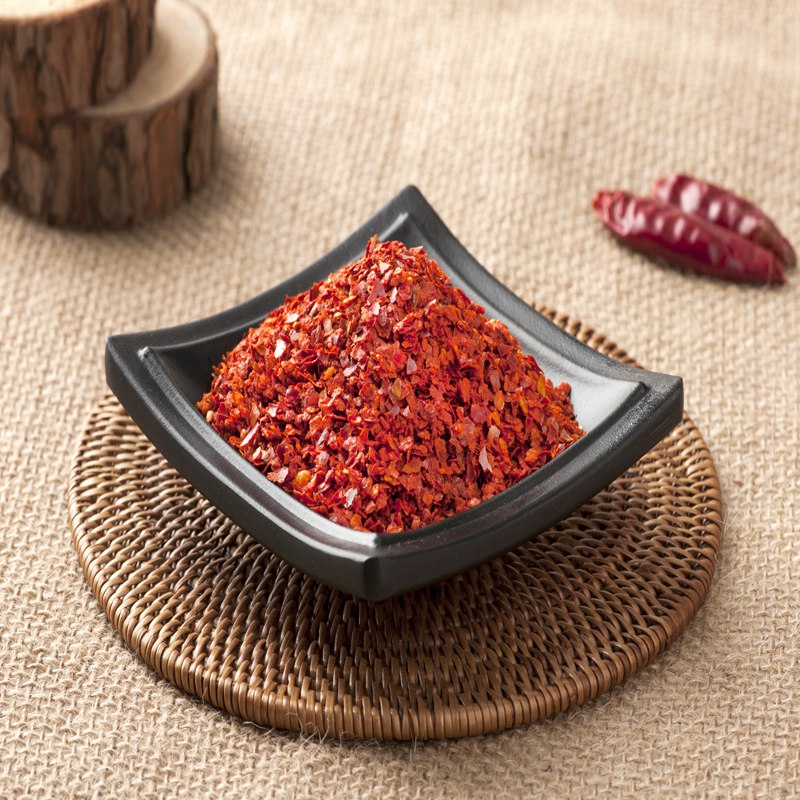
Materials: sun-dried Capsicum annuum pods → stem/seed reduction → washing → low-temp milling → sieving → metal detection → batch coding.
Methods: ASTA 20.1 for color, SHU by HPLC, moisture by oven method, micro per Korean Food Code.
Service life: best kept at 5–20°C, RH
Applications
- Kimchi (baechu, kkakdugi, oi muchim)—the obvious hero use.
- Kimchi base pastes and meal-kit sachets.
- Gochujang adjunct, pickled radish, quick brines for restaurant R&D.
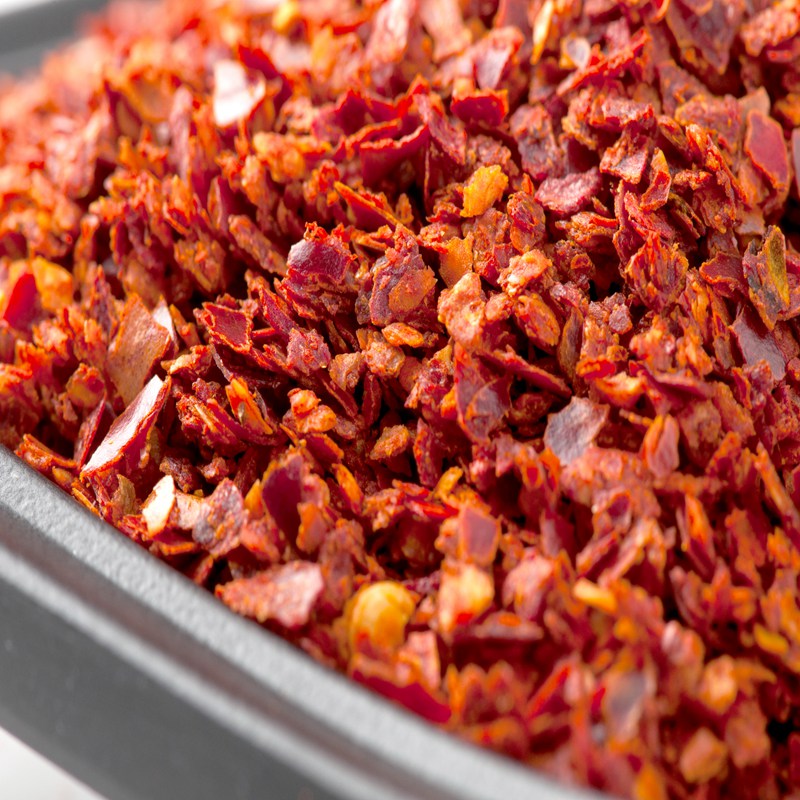
For red pepper powder for kimchi in export programs, the fine 40–60 mesh often travels best; coarse looks artisanal but can stratify—just a heads-up.
Vendor snapshot (what buyers actually compare)
| Vendor | Origin | Additives | ASTA/SHU | Certs | Notes |
|---|---|---|---|---|---|
| Xuri Gochugaru (Hebei) | China | None | ASTA ≈ 150–200 / 3–8k SHU | HACCP, ISO 22000 | Trusted by multiple Korean kimchi brands; consistent color. |
| Vendor A (Commodity) | Mixed | Anti-caking (sometimes) | ASTA 100–150 / variable SHU | Basic GMP | Pricey or inconsistent; watch micro. |
| Vendor B (Korea, premium) | Korea | None | ASTA 160–210 / 3–7k SHU | HACCP, HALAL | Top flavor; higher cost, longer lead. |
Customization and packaging
- Heat bands: mild/medium/hot via cultivar blend.
- Mesh: 20, 40, 60; seed ratio adjusted for sweetness.
- Packs: 250 g retail, 1 kg HORECA, 20 kg nitrogen-flushed.
Case notes and feedback
Case 1: A midsize Seoul kimchi brand swapped in this red pepper powder for kimchi and reported a 12–15% drop in color fade after 30 days at 4°C (internal QC, n=6 batches). Case 2: A U.S. deli chain saw brine clarity improve, fewer floating skin fragments—likely due to higher sieve uniformity.
“Clean heat, no bitterness on day 21,” says one production manager. Another buyer notes, “labels read better—no anti-caking, customers notice.”
Standards and compliance
Built around HACCP and ISO 22000. Micro and pesticide checks aligned to Korean Food Code and Codex guidance. To be honest, paperwork isn’t sexy—but it keeps exports smooth.
References:
- Codex Alimentarius, General Standard for Contaminants and Toxins in Food and Feed (CXS 193-1995).
- Korean Food Code, Spices and Seasonings—Microbiological and Pesticide Residue Limits.
- ASTA Official Methods, Color Value of Paprika and Capsicum (ASTA 20.1).
- ISO 22000:2018 Food Safety Management Systems—Requirements.
-
Discover Famous Paprika Powder Made Of: Origins, Quality & Global Uses
NewsDec.03,2025
-
Discovering Famous Spicy Pepper Powder: Global Uses, Benefits & Trends
NewsDec.03,2025
-
Understanding Famous Mild Dried Chilis: Global Uses, Benefits & Varieties
NewsDec.03,2025
-
Comprehensive Guide to ODM Ground Red Chilis: Quality, Applications & Trends
NewsDec.02,2025
-
Comprehensive Guide to odm Whole Red Chili: Quality, Applications & Global Impact
NewsDec.02,2025
-
Comprehensive Guide to odm Dried Red Chili Pods – Quality, Uses & Trends
NewsDec.02,2025
 Afrikaans
 Albanian
 Amharic
 Arabic
 Armenian
 Azerbaijani
 Basque
 Belarusian
 Bengali
 Bosnian
 Bulgarian
 Catalan
 Cebuano
 Corsican
 Croatian
 Czech
Czech
 Danish
 Dutch
Dutch
 Esperanto
 Estonian
 Finnish
 French
 Frisian
 Galician
 Georgian
 German
 Greek
Greek
 Gujarati
 Haitian Creole
 Hausa
Hausa
 Hawaiian
 Hebrew
 Hindi
Hindi
 Miao
Miao
 Hungarian
 Icelandic
 Igbo
Igbo
 Indonesian
 Irish
Irish
 Italian
 Japanese
 Javanese
 Kannada
 Kazakh
 Khmer
Khmer
 Rwandese
 Korean
 Kurdish
 Kyrgyz
 Lao
Lao
 Latin
Latin
 Latvian
 Lithuanian
 Luxembourgish
 Macedonian
 Malgashi
 Malay
Malay
 Malayalam
 Maltese
 Maori
Maori
 Marathi
 Mongolian
 Myanmar
 Nepali
 Norwegian
 Norwegian
 Occitan
 Pashto
 Persian
 Polish
 Portuguese
 Punjabi
 Romanian
 Russian
 Samoan
 Scottish Gaelic
 Serbian
 Sesotho
 Shona
Shona
 Sindhi
 Sinhala
 Slovak
 Slovenian
 Somali
 Spanish
 Sundanese
 Swahili
 Swedish
 Tagalog
 Tajik
Tajik
 Tamil
Tamil
 Tatar
Tatar
 Telugu
 Thai
Thai
 Turkish
 Turkmen
 Ukrainian
 Urdu
Urdu
 Uighur
 Uzbek
Uzbek
 Vietnamese
 Welsh
Welsh
 Bantu
Bantu
 Yiddish
 Yoruba
 Zulu
Zulu
 English