
LONGYAO COUNTY XURI FOOD CO.,LTD.

Oct . 26, 2025 11:45 Back to list
Ghost Chili Powder - 100% Pure, Extra Hot, Small-Batch
A field guide to Ghost Chili Powder: heat, quality, and real-world use
Spice trends move fast. One week it’s habanero honey, the next it’s ramen that makes grown chefs tear up on camera. In that swirl, Ghost Chili Powder has stayed oddly consistent: brutal heat, clean flavor, and serious demand from hot sauce makers to snack R&D teams. I’ve walked enough plants to know—when you want predictable burn without muddy notes, this is the workhorse.
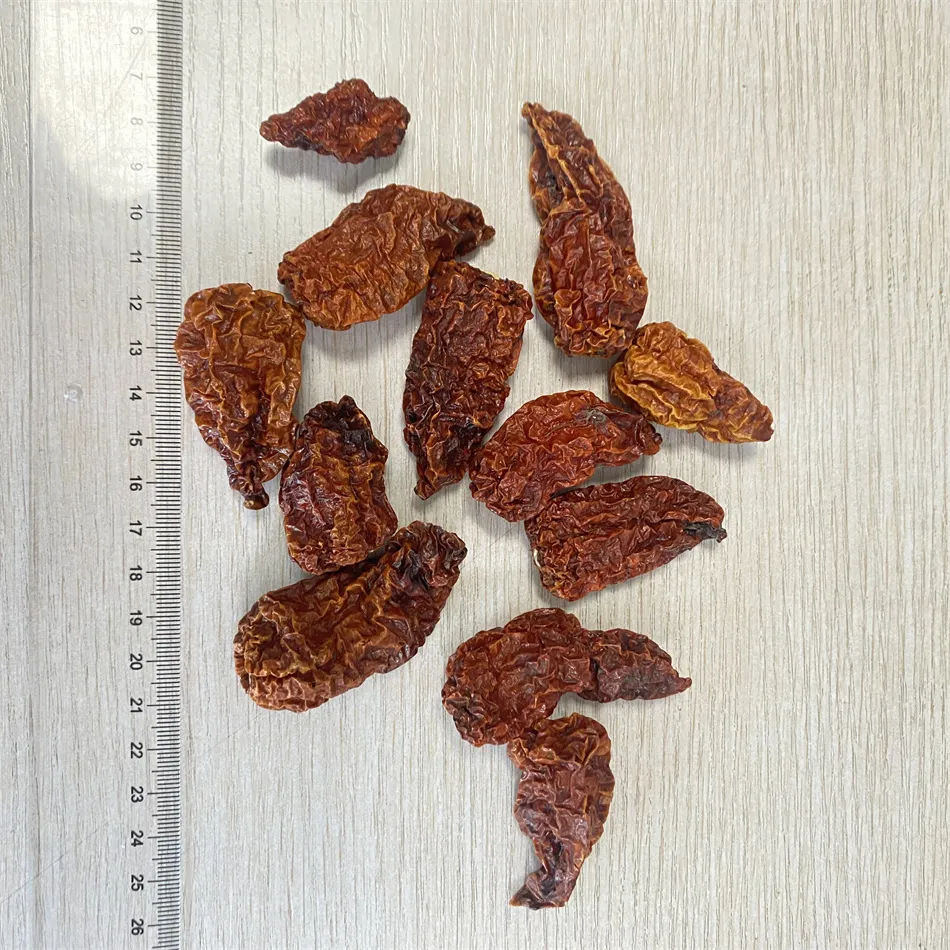
What it is (and why it matters)
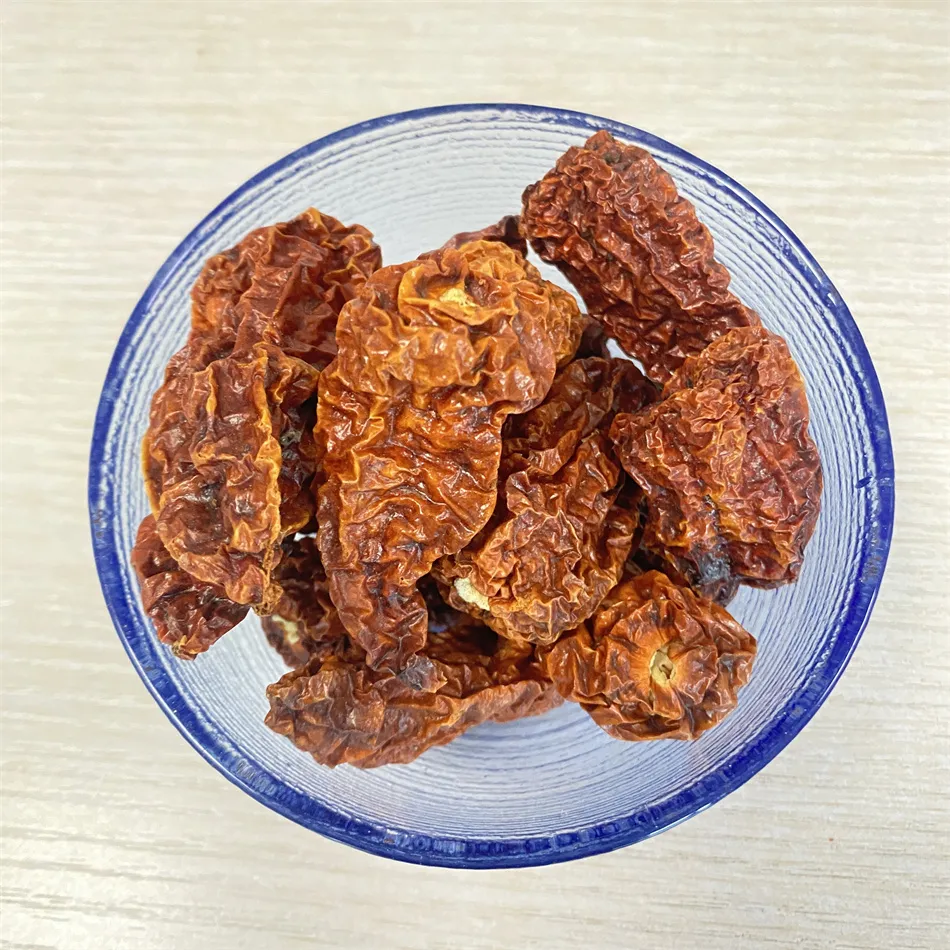
Ghost Chili Powder is milled from Bhut Jolokia pods—aka “Death Pepper.” This lot clocks in around 600,000 SHU, pure and additive‑free. It’s grown and processed at SOUTH OF ROAD, 2 KMS EAST OF LONGYAO COUNTY, HEBEI CHINA, then milled and screened to food-industry specs. Actually, that last bit is the news: reliable heat is the currency; consistency wins contracts.
| Specification | Details (≈, real-world use may vary) |
| Heat (Scoville) | ≈ 600,000 SHU (HPLC capsaicinoids; 600k SHU ≈ 37,500 mg/kg capsaicinoids) |
| Ingredients | 100% Bhut Jolokia (no anti-caking, no colors) |
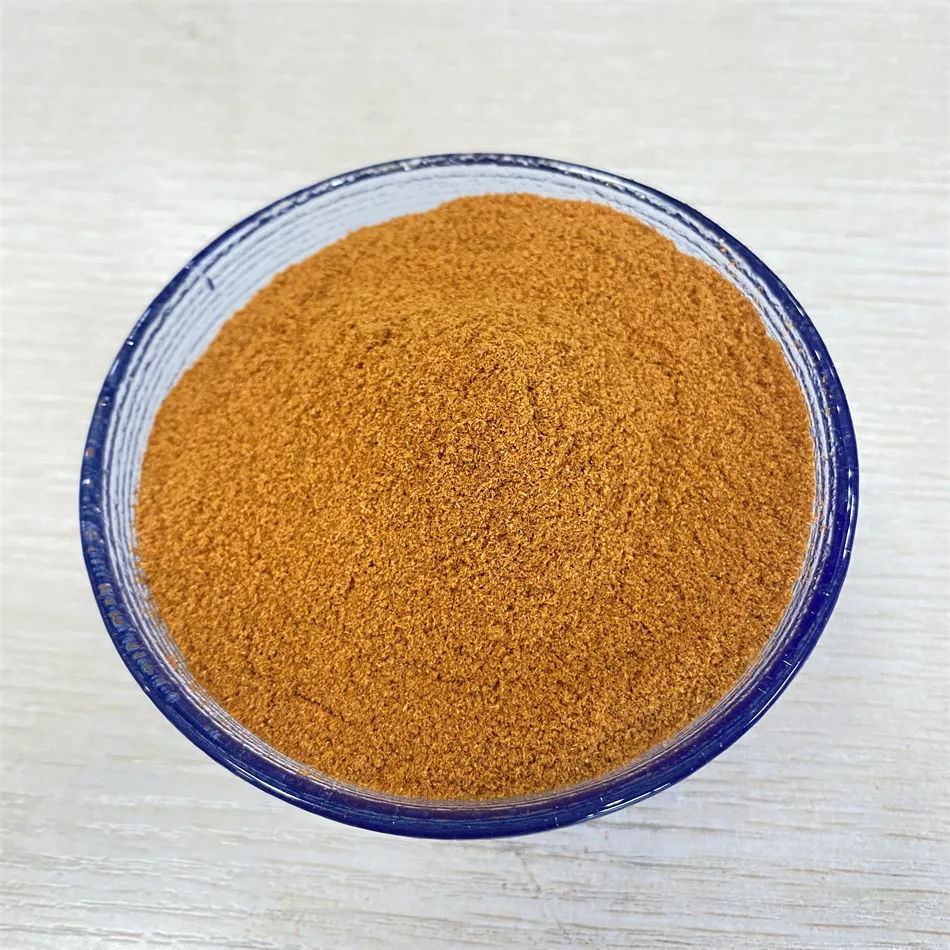
| Particle size | 40–80 mesh options; custom grind on request |
| Moisture | ≤ 10% typical |
| Micro (typical lot) | TPC ≤ 5×10⁵ cfu/g; Yeast/Mold ≤ 10³ cfu/g; Salmonella Absent/25g; E. coli <10 cfu/g |
| Certifications | FDA, BRC, KOSHER, HALAL, ISO 22000, ISO 9001 |
| Shelf life | 24 months sealed, cool and dark (foil-lined bags) |
Process flow and quality controls
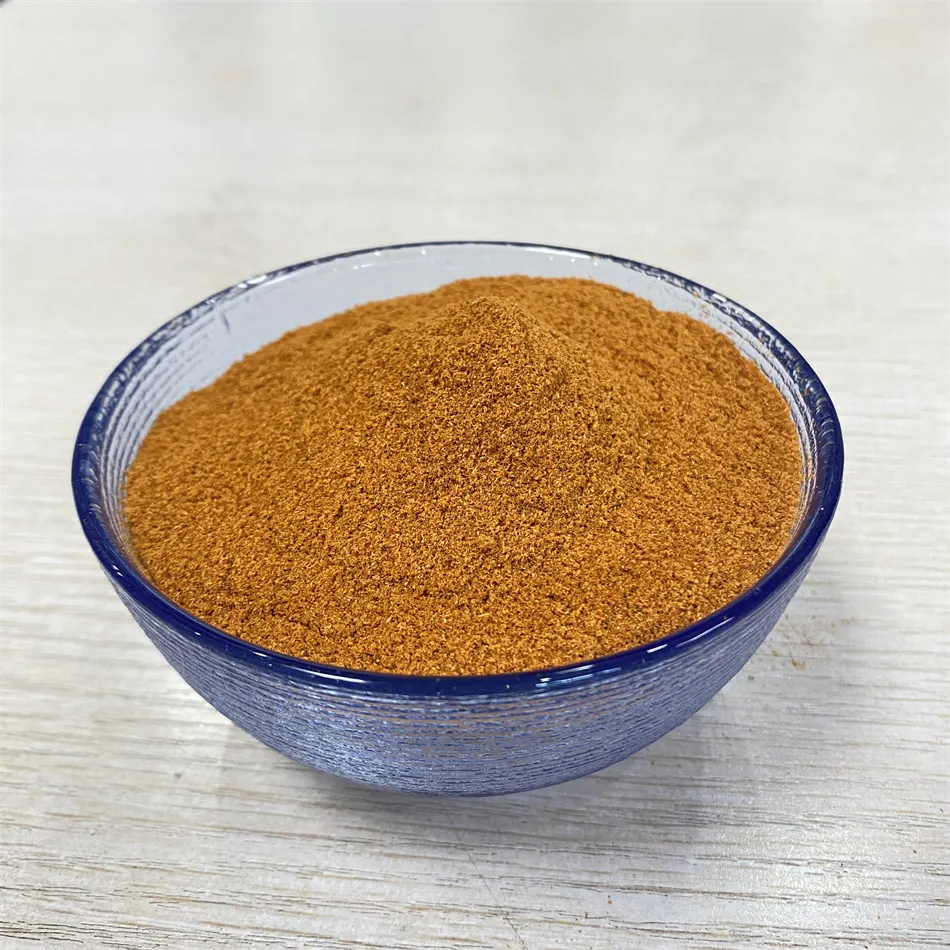
Materials: handpicked Bhut Jolokia pods. Methods: sorting → de-stemming → low-temp dehydration (≤60°C to protect volatiles) → cool/cryogenic milling → 40–80 mesh sieving → magnets + metal detection → batch coding. Testing: capsaicinoids by HPLC (AOAC 995.03), cleanliness to ASTA spec, HACCP under ISO 22000/BRC. To be honest, the low-temp step is where flavor lives or dies.
Applications and usage
- Hot sauces and pastes: 0.05–0.25% for medium–hot; up to 0.5% for extreme builds.
- Snack dusting: 50–150 ppm in seasoning blends to add “back‑of‑throat” heat without red hue overload.
- Meat rubs and marinades: 0.2–0.6% with salt, sugar, and smoke notes.
- Noodles, RTD soups, and meal kits: heat standardization across batches is the real trick; this helps.
Advantages? Ghost Chili Powder brings fast-onset burn but surprisingly clean finish—many customers say it doesn’t crowd citrus or vinegar. Also, consistency beat-for-beat: lot-to-lot variance is tight.
Vendor landscape (quick comparison)
| Vendor | Origin | Heat (SHU) | Mesh | Certs | MOQ | Notes |
| Xuri Chili (this product) | Hebei, CN | ≈600k | 40–80 | FDA, BRC, HALAL, KOSHER, ISO | ≈ 100 kg | Steam-sterilization available |
| Importer A | Mixed | ≈400–700k | 60 | KOSHER | 25 kg | Variable micro |
| Artisanal Farm B | IN | ≈500k | Coarse | — | 5 kg | Great aroma, limited scale |
Customization and compliance
Options: mesh customization, heat standardization via controlled blending, private‑label packs (100 g retail to 25 kg foodservice), and validated steam sterilization (≥5‑log pathogen reduction). Compliance under ISO 22000/BRC and 21 CFR 117 programs is baked in. I guess that’s why EU and US buyers keep coming back.
Case study and feedback
A mid-size US hot sauce brand swapped in Ghost Chili Powder and cut batch heat variance by ~30% while reducing use rate 12% versus a mixed-capsicum blend. Sensory panels noted “clean burn, minimal bitterness.” Another snack client hit TikTok-worthy heat with only 95 ppm inclusion—saves cost, keeps label simple.
Testing standards and data points
Heat by HPLC (AOAC 995.03). Hygiene aligned to BRC/ISO 22000 with CCPs on dehydration and metal detection. US FDA 21 CFR 117 preventive controls documented. Typical retained heat over shelf life: ≥90% at 12 months, sealed; store cool and dark for best results.
References
- AOAC Official Method 995.03 – Capsaicinoids in Capsicum by HPLC.
- ISO 22000:2018 – Food safety management systems.
- BRCGS Food Safety Issue 9 (2022).
- FDA 21 CFR Part 117 – cGMP, Hazard Analysis, and Risk‑Based Preventive Controls.
- Codex CXC 1-1969 – General Principles of Food Hygiene (latest revision).
- ASTA Cleanliness Specifications for Spices (American Spice Trade Association).
-
Discover Famous Paprika Powder Made Of: Origins, Quality & Global Uses
NewsDec.03,2025
-
Discovering Famous Spicy Pepper Powder: Global Uses, Benefits & Trends
NewsDec.03,2025
-
Understanding Famous Mild Dried Chilis: Global Uses, Benefits & Varieties
NewsDec.03,2025
-
Comprehensive Guide to ODM Ground Red Chilis: Quality, Applications & Trends
NewsDec.02,2025
-
Comprehensive Guide to odm Whole Red Chili: Quality, Applications & Global Impact
NewsDec.02,2025
-
Comprehensive Guide to odm Dried Red Chili Pods – Quality, Uses & Trends
NewsDec.02,2025
 Afrikaans
 Albanian
 Amharic
 Arabic
 Armenian
 Azerbaijani
 Basque
 Belarusian
 Bengali
 Bosnian
 Bulgarian
 Catalan
 Cebuano
 Corsican
 Croatian
 Czech
Czech
 Danish
 Dutch
Dutch
 Esperanto
 Estonian
 Finnish
 French
 Frisian
 Galician
 Georgian
 German
 Greek
Greek
 Gujarati
 Haitian Creole
 Hausa
Hausa
 Hawaiian
 Hebrew
 Hindi
Hindi
 Miao
Miao
 Hungarian
 Icelandic
 Igbo
Igbo
 Indonesian
 Irish
Irish
 Italian
 Japanese
 Javanese
 Kannada
 Kazakh
 Khmer
Khmer
 Rwandese
 Korean
 Kurdish
 Kyrgyz
 Lao
Lao
 Latin
Latin
 Latvian
 Lithuanian
 Luxembourgish
 Macedonian
 Malgashi
 Malay
Malay
 Malayalam
 Maltese
 Maori
Maori
 Marathi
 Mongolian
 Myanmar
 Nepali
 Norwegian
 Norwegian
 Occitan
 Pashto
 Persian
 Polish
 Portuguese
 Punjabi
 Romanian
 Russian
 Samoan
 Scottish Gaelic
 Serbian
 Sesotho
 Shona
Shona
 Sindhi
 Sinhala
 Slovak
 Slovenian
 Somali
 Spanish
 Sundanese
 Swahili
 Swedish
 Tagalog
 Tajik
Tajik
 Tamil
Tamil
 Tatar
Tatar
 Telugu
 Thai
Thai
 Turkish
 Turkmen
 Ukrainian
 Urdu
Urdu
 Uighur
 Uzbek
Uzbek
 Vietnamese
 Welsh
Welsh
 Bantu
Bantu
 Yiddish
 Yoruba
 Zulu
Zulu
 English