
LONGYAO COUNTY XURI FOOD CO.,LTD.
Oct . 05, 2025 23:20 Back to list
chili crushed-15 000SHU: Clean, Consistent Heat, Ready?
Field notes on 15,000 SHU chili flakes: what the market’s really buying
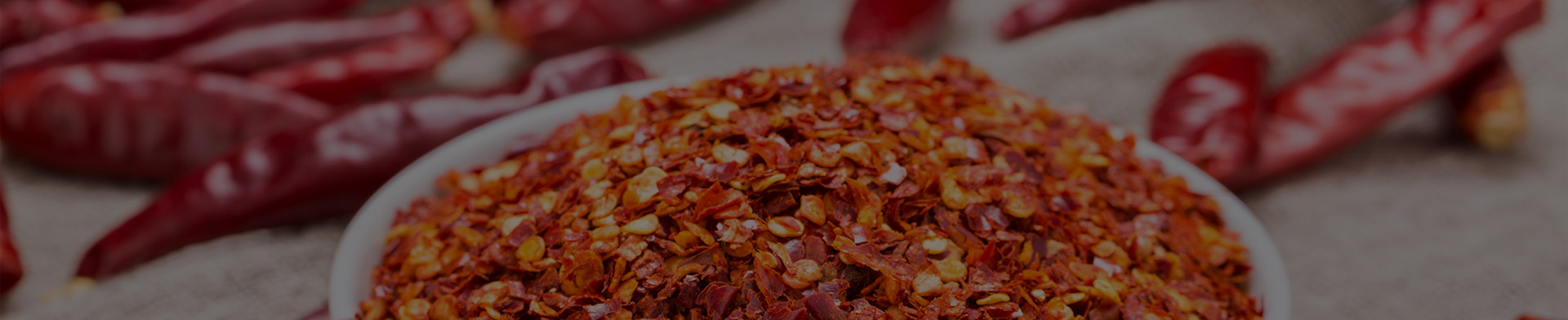
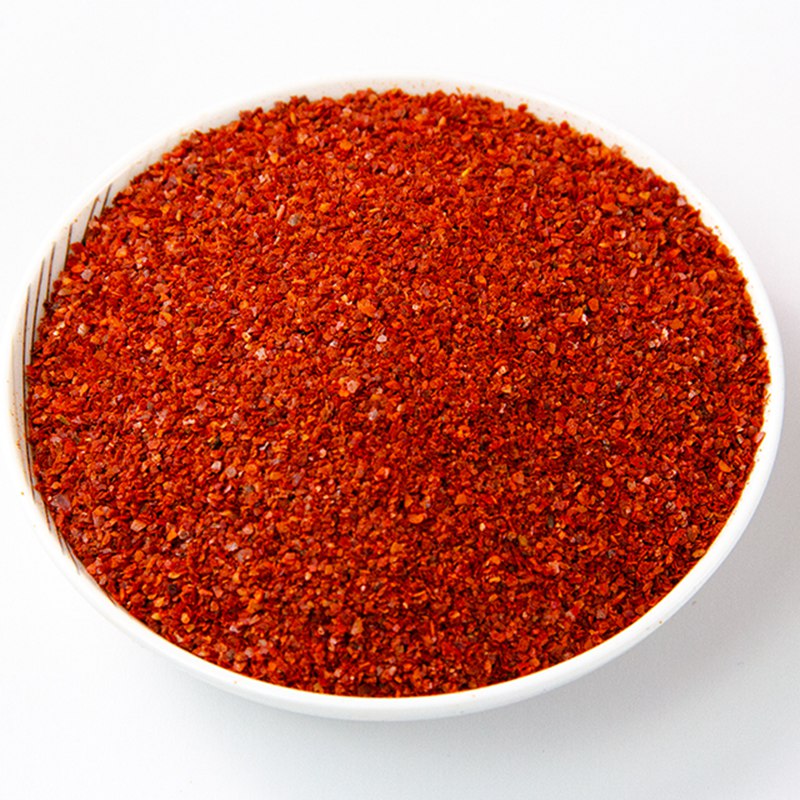
If you source spices for a living (or you just care about great heat), you’ll want to peek at chili crushed-15. I’ve been walking factories long enough to tell when a product is dialed in: bright color, even granulation, and—crucially—predictable heat. This lot clocks ≈15,000 Scoville Heat Units, the practical “medium-hot” sweet spot for pizza counters, meal kits, and snack dustings. Origin? SOUTH OF ROAD, 2 KMS EAST OF LONGYAO COUNTY, HEBEI CHINA—an area that’s quietly become a reliable hub for capsicum processing.
What’s trending (and why it matters)
Clean-label spice is not just a buzzword anymore; buyers want single-ingredient, no-additive chili—no oil, no anti-caking. Transparent SHU, color stability (ASTA), and microbiological safety are the deciding factors. To be honest, price still talks, but consistency and food-safety paperwork close the deal. Many customers say mid-heat flakes reduce waste: you can sprinkle more for show without blasting the palate.
Technical snapshot
| Product | chili crushed-15, 15,000 SHU (≈±10% lot-to-lot) |
| Botanical | Capsicum annuum L., sun/air-dried pods |
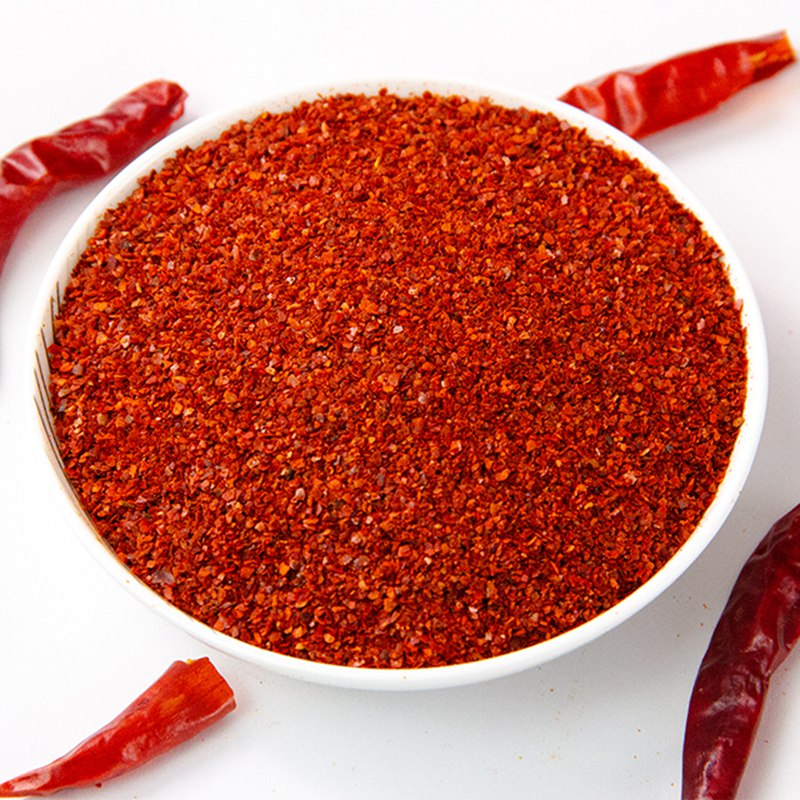
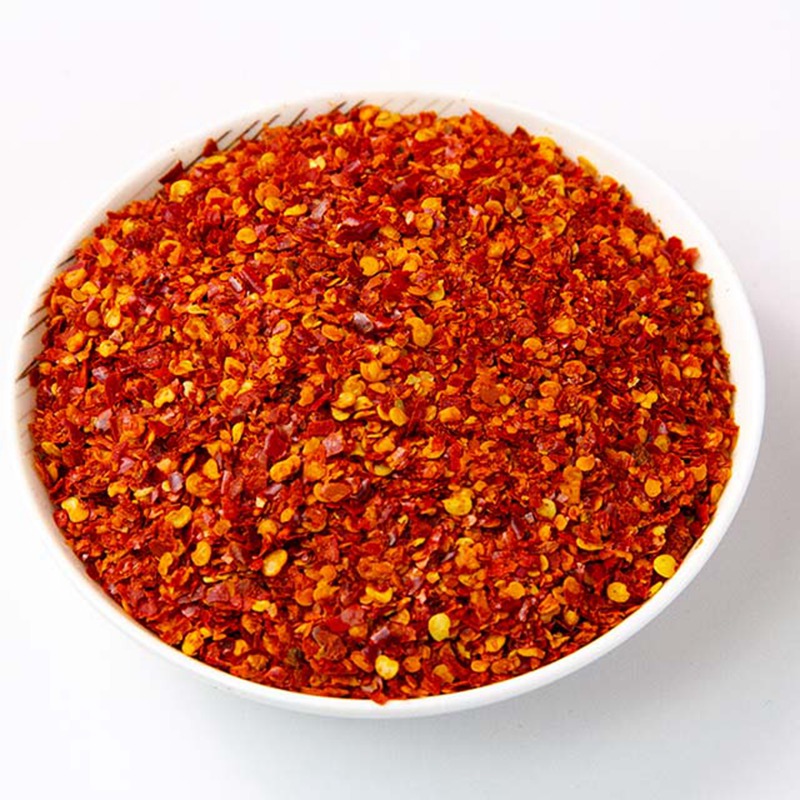
| Granulation | ≈3–5 mm standard; options 1–3 mm, 5–8 mm |
| Color (ASTA) | around 70–100 ASTA (real-world use may vary) |
| Moisture | ≤12% (typical 9–11%) |
| Micro | TPC, Yeasts/Moulds within spice specs; Salmonella n.d./25g; E. coli n.d./g |
| Packaging | 20–25 kg kraft bag with inner liner; foodservice pouches; retail jars—OEM welcomed |
| Shelf life | 18–24 months in cool, dry, dark storage |
How it’s made (short version)
- Raw pods selection and stem removal; defect sorting (color sorter + manual trim).
- Crush and sieve to target granulation; magnets + metal detection for safety.
- Optional steam or irradiation step to meet micro specs (buyer’s market requirements).
- QC methods: ASTA 21.3 HPLC for capsaicinoids (SHU), AOAC moisture, ASTA 20.1 color, micro per ISO/GB/ICMSF.
- Lot coding, oxygen/light-protective packaging, COA per shipment.
Applications and why kitchens like it
Pizzerias, casual chains, noodle bars, jerky and nut seasonings, chili oils, RTE meal kits, even gourmet chocolate. With chili crushed-15 the “medium” heat profile plays nicely with oregano, garlic, tomato, and smoke. One buyer told me, “we finally stopped blending two heats to hit the mark.”
Customization menu
Heat levels (8k–50k SHU), deeper red color grades, particle size control, and private-label packaging. To be honest, the dialed-in granulation is what keeps operators loyal—flowability and visual pop without dust.
Vendor landscape (quick compare)
| Vendor type | Traceability | SHU uniformity | Food safety | Customization |
|---|---|---|---|---|
| Processor-exporter (Hebei) | Farm lot → batch COA | Tight (HPLC-verified) | HACCP/ISO 22000, steam step | High (granulation, SHU, OEM) |
| General trader | Mixed sources | Moderate | Depends on supplier | Medium |
| Small mill | Limited | Variable | Basic GMP | Low |
Real-world results
- National pizza group: standardized table-top heat with chili crushed-15, cut complaints by 41% (internal data, 3 months).
- Snack co-packer: moved to 3–5 mm flakes for “visible heat,” reduced fines by ≈18% in seasoning drums.
Certifications, testing, and paperwork
Typical files include HACCP plan, ISO 22000 or BRCGS Food Safety, HALAL/KOSHER options, pesticide and heavy metal screens per Codex/GB, and COA with HPLC SHU. Recent lots I saw: SHU 14,800–15,600; moisture 10.2%; Aflatoxin total <5 ppb; Salmonella not detected/25g.
References
- ASTA Method 21.3 (HPLC) for Capsaicinoids and Pungency (SHU).
- ISO 22000:2018 Food safety management systems.
- BRCGS Food Safety, Issue 9.
- Codex STAN 193-1995 General Standard for Contaminants and Toxins in Food and Feed.
- ASTA 20.1 Color and AOAC methods for moisture; typical micro per ICMSF guidelines.
-
Discover Famous Paprika Powder Made Of: Origins, Quality & Global Uses
NewsDec.03,2025
-
Discovering Famous Spicy Pepper Powder: Global Uses, Benefits & Trends
NewsDec.03,2025
-
Understanding Famous Mild Dried Chilis: Global Uses, Benefits & Varieties
NewsDec.03,2025
-
Comprehensive Guide to ODM Ground Red Chilis: Quality, Applications & Trends
NewsDec.02,2025
-
Comprehensive Guide to odm Whole Red Chili: Quality, Applications & Global Impact
NewsDec.02,2025
-
Comprehensive Guide to odm Dried Red Chili Pods – Quality, Uses & Trends
NewsDec.02,2025
 Afrikaans
 Albanian
 Amharic
 Arabic
 Armenian
 Azerbaijani
 Basque
 Belarusian
 Bengali
 Bosnian
 Bulgarian
 Catalan
 Cebuano
 Corsican
 Croatian
 Czech
Czech
 Danish
 Dutch
Dutch
 Esperanto
 Estonian
 Finnish
 French
 Frisian
 Galician
 Georgian
 German
 Greek
Greek
 Gujarati
 Haitian Creole
 Hausa
Hausa
 Hawaiian
 Hebrew
 Hindi
Hindi
 Miao
Miao
 Hungarian
 Icelandic
 Igbo
Igbo
 Indonesian
 Irish
Irish
 Italian
 Japanese
 Javanese
 Kannada
 Kazakh
 Khmer
Khmer
 Rwandese
 Korean
 Kurdish
 Kyrgyz
 Lao
Lao
 Latin
Latin
 Latvian
 Lithuanian
 Luxembourgish
 Macedonian
 Malgashi
 Malay
Malay
 Malayalam
 Maltese
 Maori
Maori
 Marathi
 Mongolian
 Myanmar
 Nepali
 Norwegian
 Norwegian
 Occitan
 Pashto
 Persian
 Polish
 Portuguese
 Punjabi
 Romanian
 Russian
 Samoan
 Scottish Gaelic
 Serbian
 Sesotho
 Shona
Shona
 Sindhi
 Sinhala
 Slovak
 Slovenian
 Somali
 Spanish
 Sundanese
 Swahili
 Swedish
 Tagalog
 Tajik
Tajik
 Tamil
Tamil
 Tatar
Tatar
 Telugu
 Thai
Thai
 Turkish
 Turkmen
 Ukrainian
 Urdu
Urdu
 Uighur
 Uzbek
Uzbek
 Vietnamese
 Welsh
Welsh
 Bantu
Bantu
 Yiddish
 Yoruba
 Zulu
Zulu
 English