
LONGYAO COUNTY XURI FOOD CO.,LTD.
Oct . 10, 2025 11:40 Back to list
Why Choose Red Pepper Flakes for Bold Heat & Fresh Flavor?
Tianying cut: field-to-fork heat you can dial in
If you cook, you already have a jar of red pepper flakes within reach. The twist here is Tianying cut—grown and processed in Longyao County, Hebei—and, to be honest, it behaves like a chef’s ingredient rather than a commodity. Clean-label, 100% natural, and surprisingly consistent from batch to batch. I’ve seen too many kitchens fight “roulette heat”; this avoids that.
Product snapshot and why it matters
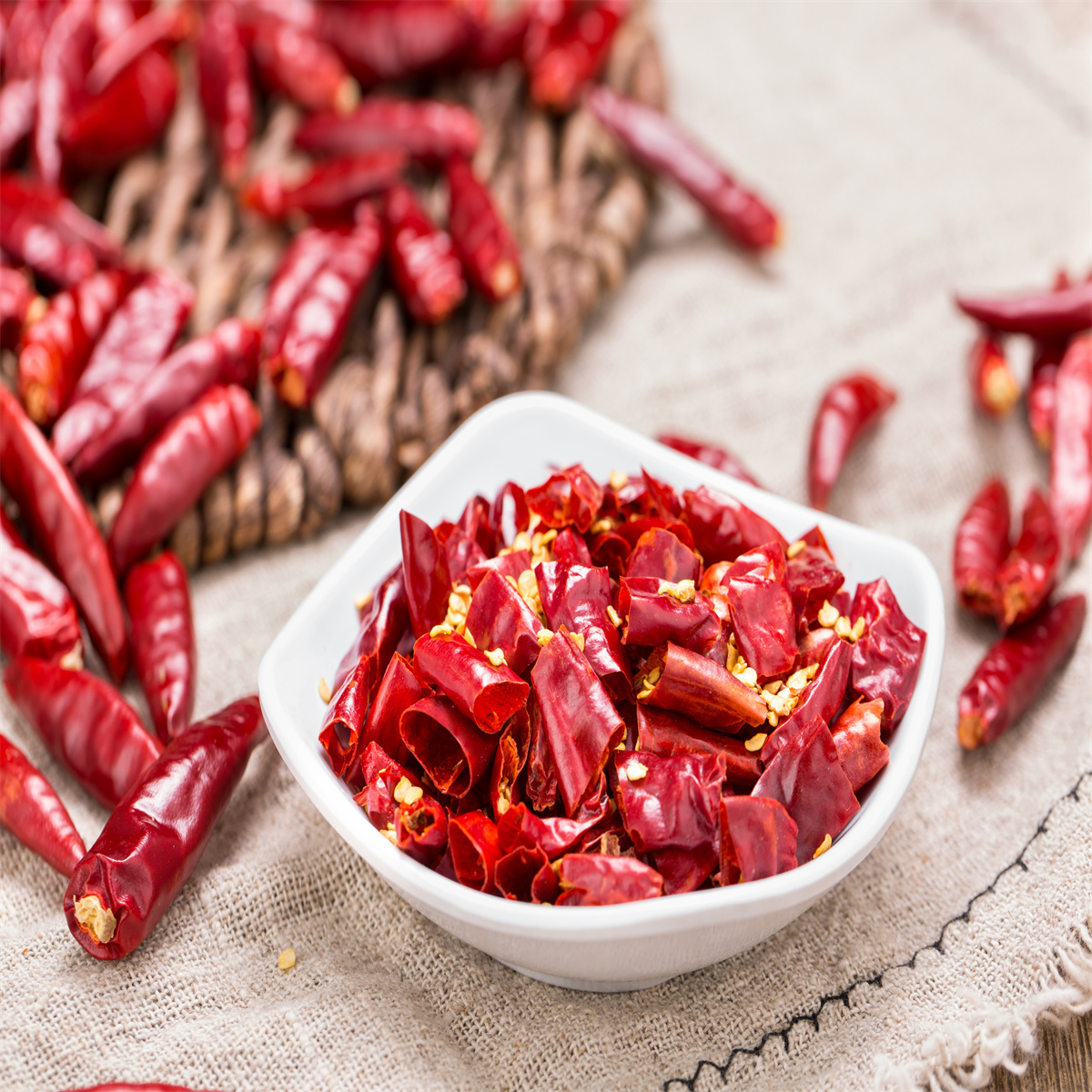
Tianying cut is a calibrated take on red pepper flakes: vibrant color, uniform cut, adjustable seed ratio, and predictable SHU. Origin: SOUTH OF ROAD, 2 KMS EAST OF LONGYAO COUNTY, HEBEI CHINA—an area with stable sunshine hours that, in practice, gives solid ASTA color values and clean drying windows. Many customers say the flavor skews bright and slightly fruity rather than smoky; I’d agree.
Technical specifications (Tianying cut)
| Cultivar | Capsicum annuum L. |
| Cut length options | ≈ 3–8 mm (customizable) |
| Seed proportion | ≈ 10% / 20% / 30% (±2% real-world) |
| Heat (Scoville) | ≈ 10,000–35,000 SHU; target bands available (mild/med/hot) |
| Moisture | ≤ 12% (ASTA method; lot-tested) |
| Color | ASTA ≈ 80–120 |
| Microbiological | APC, Yeast/Mold within ASTA clean specs; Salmonella absent/25g |
| Contaminants | Heavy metals per GB 2762; Aflatoxin total ≤ 10 μg/kg |
| Certifications | HACCP, ISO 22000; allergen-free facility |
| Packaging | 1 kg pouch; 25 kg carton; nitrogen-flush optional |
| Shelf life | 18–24 months (cool, dry, |
Process flow (how it stays consistent)
Raw material intake (field-audited Capsicum annuum) → Sun/indirect hot-air drying → Destemming and cleaning → Precision cutting (specified length) → Sieving for seed ratio → Optical sorting + metal detection → Micro/contaminant testing → Nitrogen-flush packing → Palletization and lot traceability. Testing references: ASTA methods for color/cleanliness, ISO 6579 for Salmonella; moisture by AOAC/ASTA. Service life holds when oxygen and humidity are controlled—simple but decisive.
Where it’s used (and what teams report)
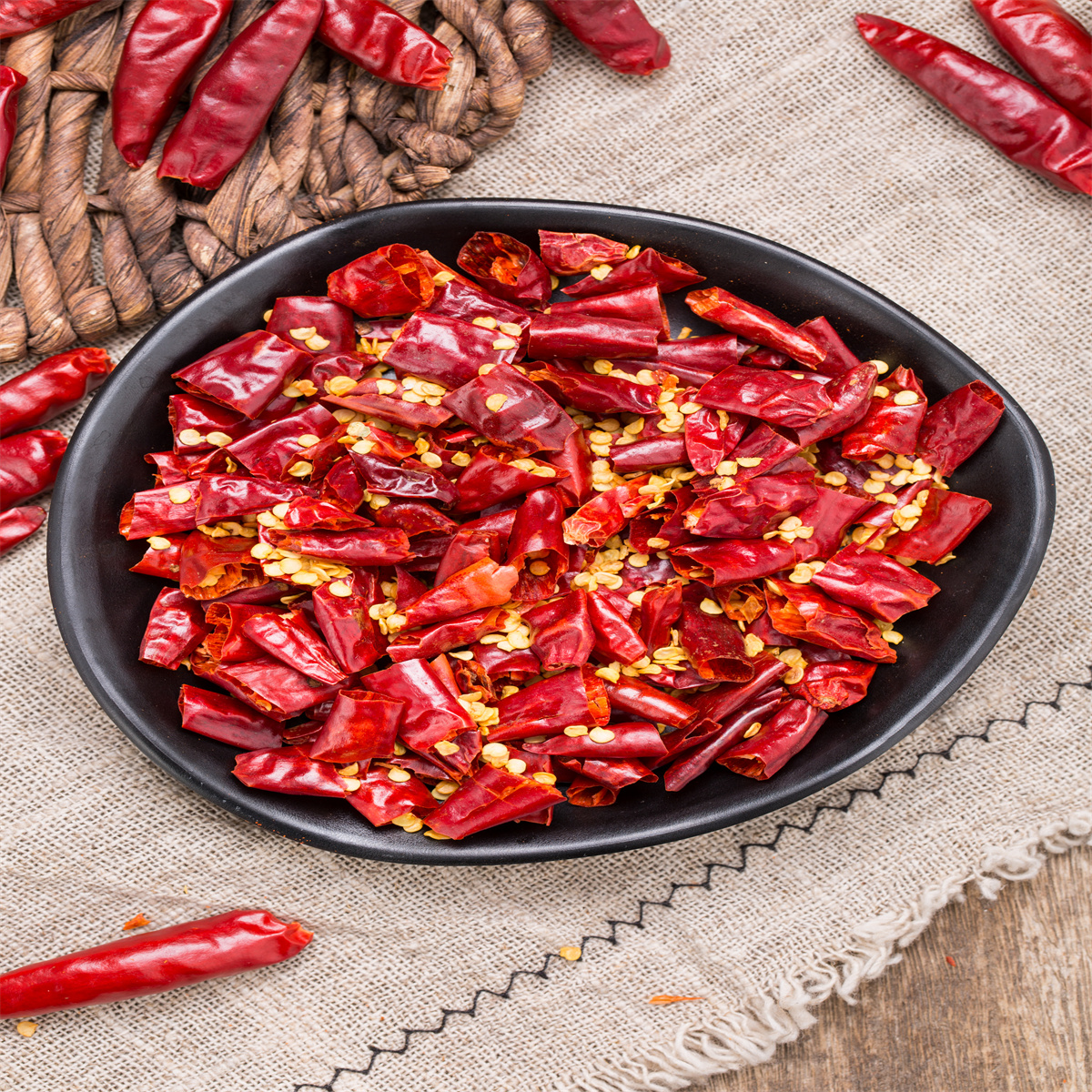
- Food manufacturers: pizza kits, noodle bowls, frozen entrées—heat bands keep NPD predictable.
- QSR and meal kits: portion packs; less variance vs. bargain-bin red pepper flakes.
- Snack and rub makers: seed ratio control = mouthfeel control (big deal on coater drums).
- Sauces and chili oils: stable ASTA color means the oil looks right on shelf.
Case notes: A ramen chain switched to 20% seed, 5 mm cut; sauce batch deviations dropped ≈ 37%. A snack brand moved to hot band (≈30k SHU); consumer “heat just right” mentions rose, anecdotally, in post-purchase surveys.
Vendor comparison (what you actually buy)
| Criteria | Tianying cut (Xuri Chili) | Generic Import | Bulk Broker |
|---|---|---|---|
| Origin traceability | Single-region, lot-coded | Mixed lots | Varies by shipment |
| Customization | Cut/seed/SHU configurable | Limited | Occasional |
| Certifications | ISO 22000, HACCP | Varies | Varies |
| Lead time | ≈ 10–20 days | ≈ 20–35 days | Uncertain |
| Heat consistency | Tight bands | Variable | Variable |
| Indicative price/kg | Mid (value) | Low–mid | Mid–high (fees) |
Customization & logistics
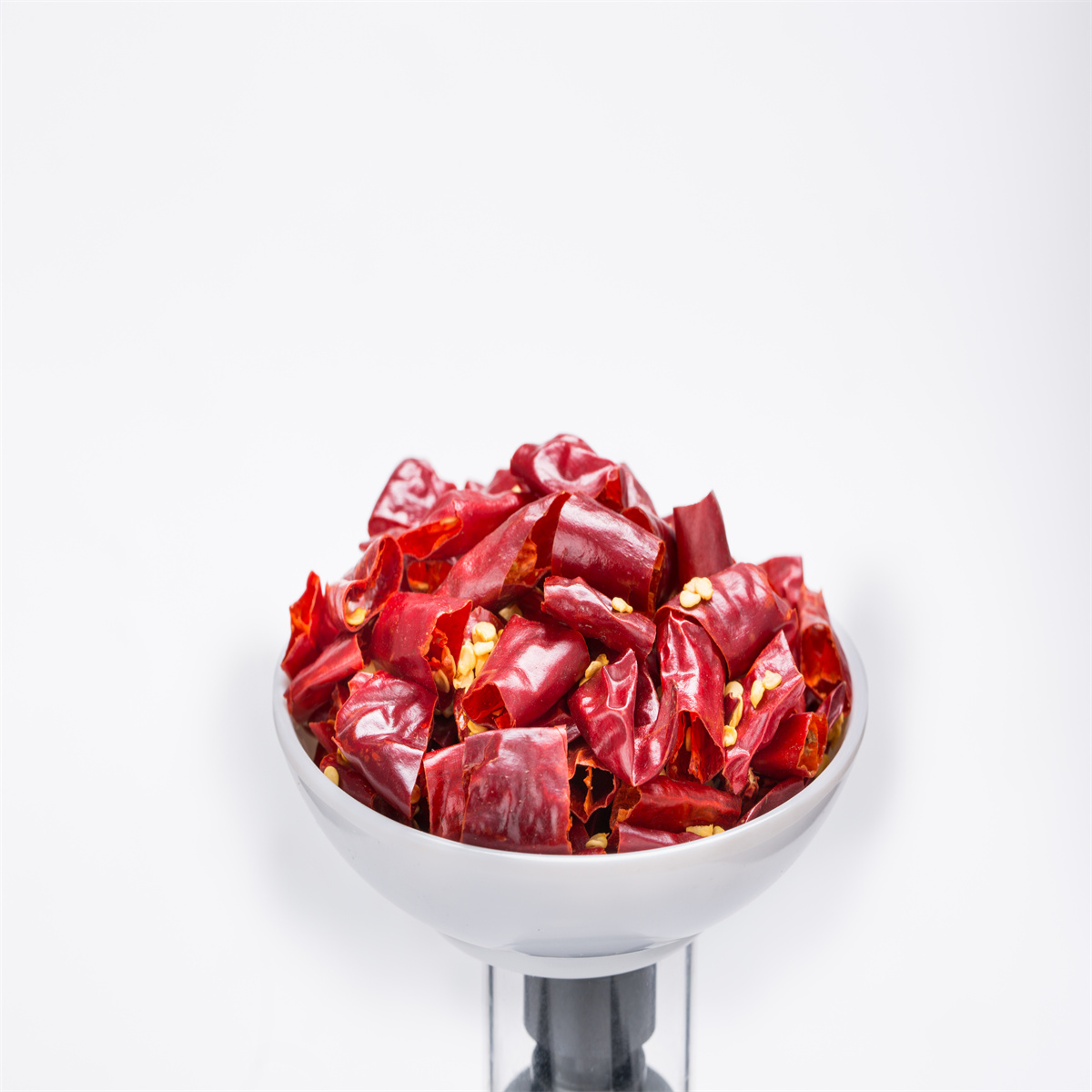
Lengths: 3/5/8 mm; Seed: 10/20/30%; Heat: mild/medium/hot. Pack: 1 kg retail, 25 kg industry; private label possible. MOQ typically 500 kg; EXW/FOB Tianjin; documentation pack includes COA, micro results, pesticide screen (as requested).
Standards, testing, and compliance
Batches are verified against ASTA cleanliness, SHU via capsaicinoid analysis, and contaminants under GB 2762. FSMS aligns with ISO 22000; HACCP plans are audited. Real-world use may vary—storage is everything: keep red pepper flakes cool and sealed to preserve color and bite.
References
- ISO 22000:2018 — Food safety management systems.
- ASTA Cleanliness Specifications for Spices, latest edition.
- Codex STAN 326-2017 — Standard for Chili Peppers (Capsicum spp.).
- GB 2762 — National Food Safety Standard: Maximum Levels of Contaminants in Foods (China).
-
Discover Famous Paprika Powder Made Of: Origins, Quality & Global Uses
NewsDec.03,2025
-
Discovering Famous Spicy Pepper Powder: Global Uses, Benefits & Trends
NewsDec.03,2025
-
Understanding Famous Mild Dried Chilis: Global Uses, Benefits & Varieties
NewsDec.03,2025
-
Comprehensive Guide to ODM Ground Red Chilis: Quality, Applications & Trends
NewsDec.02,2025
-
Comprehensive Guide to odm Whole Red Chili: Quality, Applications & Global Impact
NewsDec.02,2025
-
Comprehensive Guide to odm Dried Red Chili Pods – Quality, Uses & Trends
NewsDec.02,2025
 Afrikaans
 Albanian
 Amharic
 Arabic
 Armenian
 Azerbaijani
 Basque
 Belarusian
 Bengali
 Bosnian
 Bulgarian
 Catalan
 Cebuano
 Corsican
 Croatian
 Czech
Czech
 Danish
 Dutch
Dutch
 Esperanto
 Estonian
 Finnish
 French
 Frisian
 Galician
 Georgian
 German
 Greek
Greek
 Gujarati
 Haitian Creole
 Hausa
Hausa
 Hawaiian
 Hebrew
 Hindi
Hindi
 Miao
Miao
 Hungarian
 Icelandic
 Igbo
Igbo
 Indonesian
 Irish
Irish
 Italian
 Japanese
 Javanese
 Kannada
 Kazakh
 Khmer
Khmer
 Rwandese
 Korean
 Kurdish
 Kyrgyz
 Lao
Lao
 Latin
Latin
 Latvian
 Lithuanian
 Luxembourgish
 Macedonian
 Malgashi
 Malay
Malay
 Malayalam
 Maltese
 Maori
Maori
 Marathi
 Mongolian
 Myanmar
 Nepali
 Norwegian
 Norwegian
 Occitan
 Pashto
 Persian
 Polish
 Portuguese
 Punjabi
 Romanian
 Russian
 Samoan
 Scottish Gaelic
 Serbian
 Sesotho
 Shona
Shona
 Sindhi
 Sinhala
 Slovak
 Slovenian
 Somali
 Spanish
 Sundanese
 Swahili
 Swedish
 Tagalog
 Tajik
Tajik
 Tamil
Tamil
 Tatar
Tatar
 Telugu
 Thai
Thai
 Turkish
 Turkmen
 Ukrainian
 Urdu
Urdu
 Uighur
 Uzbek
Uzbek
 Vietnamese
 Welsh
Welsh
 Bantu
Bantu
 Yiddish
 Yoruba
 Zulu
Zulu
 English