
LONGYAO COUNTY XURI FOOD CO.,LTD.
Oct . 16, 2025 11:50 Back to list
Red Pepper Flakes – Fresh, Bold Heat, Wholesale & Retail
Tianying cut: a journalist’s take on premium chili cuts for modern kitchens
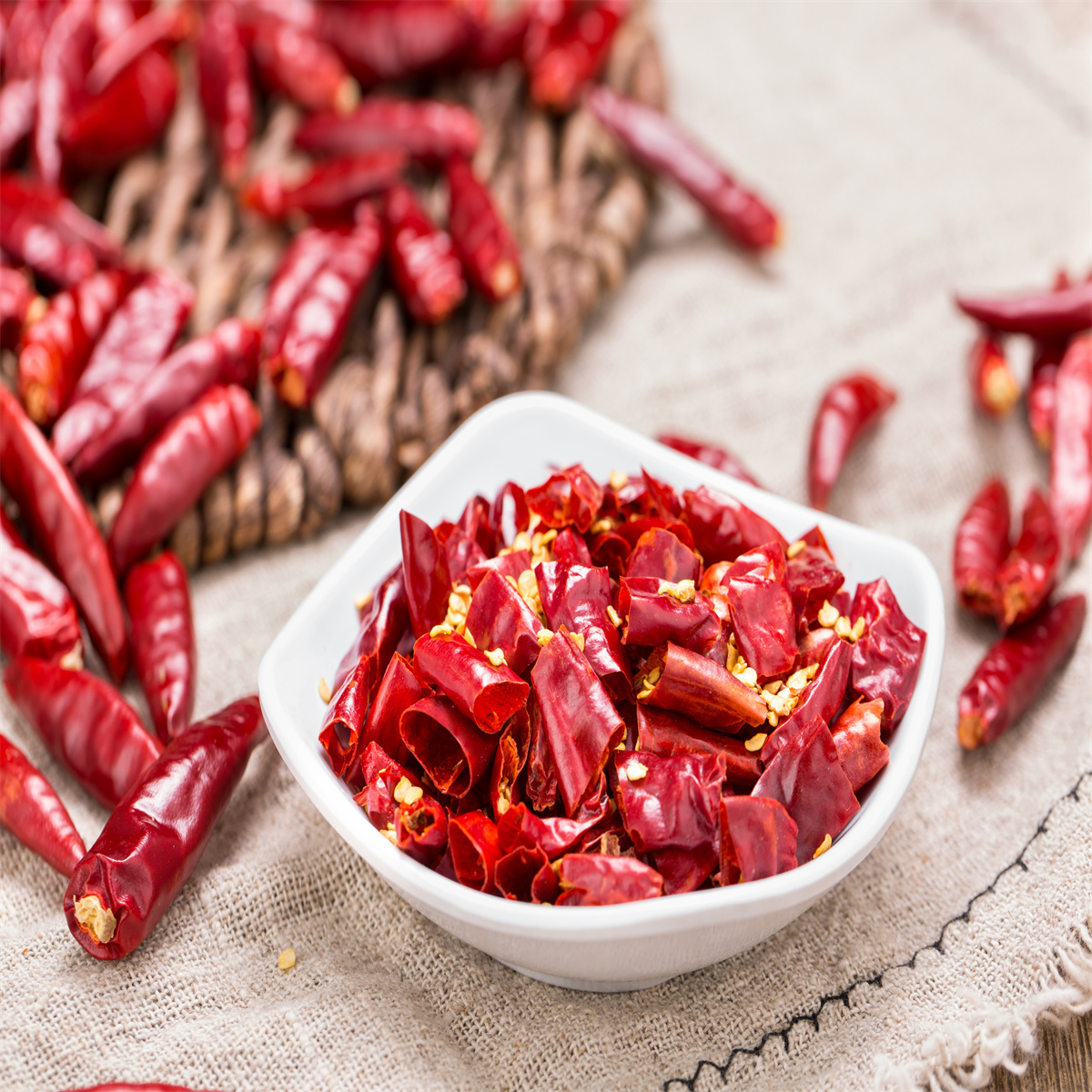
If you source seasonings for a living, you already know how picky chefs are getting about red pepper flakes. Clean label, consistent heat, no weird additives—the bar keeps rising. After several factory visits in Hebei (yes, dusty boots and all), Tianying cut stuck with me. It’s a 100% natural chili cut—vibrant color, reliable SHU, and the kind of customization most buyers quietly wish for but rarely get.
What’s different here?
Origin matters: SOUTH OF ROAD, 2 KMS EAST OF LONGYAO COUNTY, HEBEI CHINA—an area known for stable chili supply chains. The plant runs a pragmatic, not flashy, process: precise cutting, sieving, color sorting, and metal detection. No additives. And, crucially, spiciness you can actually spec. Many customers say their line yields are steadier because the heat doesn’t wander batch to batch.
Typical spec sheet (production lots vary ≈)
| Product name | Tianying cut (chili cut, aka red pepper flakes) |
| Cut length options | ≈ 2–10 mm (customizable) |
| Seeds proportion | Low-seed / standard / high-seed blends (by request) |
| Scoville heat (SHU) | ≈ 20,000–40,000 SHU (ASTA 21.3 HPLC) |
| Moisture | ≤ 12% (ASTA method) |
| Microbial | TPC ≤ 100,000 cfu/g; Yeast/Mold ≤ 1,000 cfu/g; Salmonella: absent/25g (ISO 4833-1, ISO 21527-2, ISO 6579) |
| Aflatoxins | Total ≤ 10 ppb; B1 ≤ 5 ppb (AOAC 999.10 or equivalent) |
| Shelf life | 18–24 months sealed, cool & dry |
| Certifications | HACCP, ISO 22000; Halal/Kosher available (market-dependent) |
How it’s made (short version)
- Materials: sun-dried Capsicum annuum pods, screened for variety and grade.
- Methods: destoning and air-cleaning → calibrated cutting → sieving for length/seed ratio → color sorting → metal detection (Fe/Non-Fe/SS) → inline QC.
- Testing standards: SHU by HPLC (ASTA 21.3), moisture (ASTA), micro per ISO methods; mycotoxins via AOAC.
- Packaging: multi-layer, oxygen- and light-mitigating liners. Palletized with traceable lot codes.
Where it fits
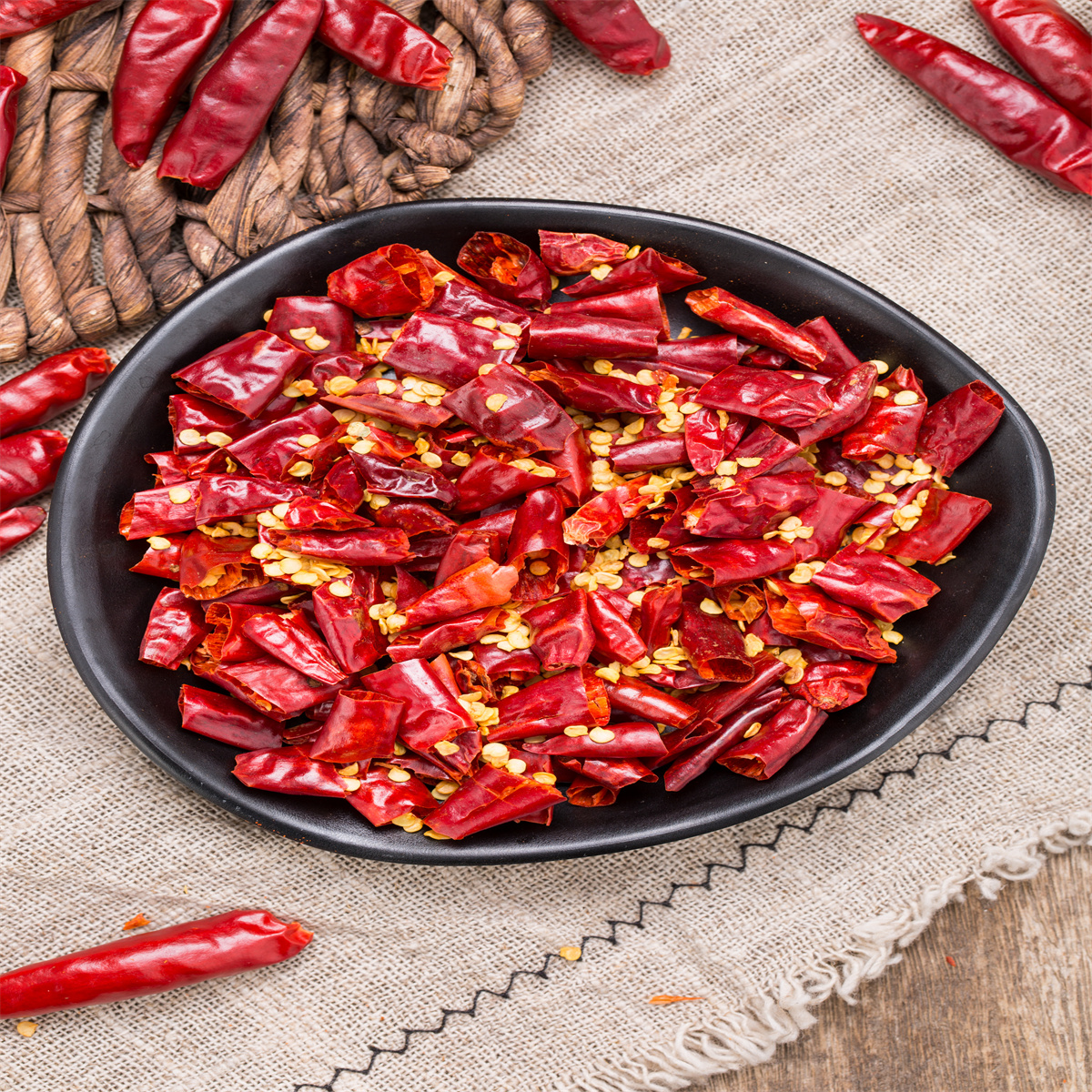
Industrial sauces and chili oils, snack dusting blends, meal kits, frozen entrées, QSR toppings, even premium retail jars. I’ve seen R&D teams choose red pepper flakes with lower seed ratios to reduce oil burn and bitter notes in hot-fill sauce runs—smart move.
Vendor snapshot (real-world use may vary)
| Vendor | Tianying cut | Generic Bulk | Private Label |
|---|---|---|---|
| SHU consistency | Tight ± variability control | Mixed lots | Depends on packer |
| Customization | Length + seed ratio | Limited | Often fixed specs |
| Certs | HACCP / ISO 22000 | Varies | Varies |
| Lead time | ≈ 2–4 weeks | ≈ 3–6 weeks | ≈ 4–8 weeks |
Field notes and feedback
Case study 1: A regional noodle chain standardized its chili oil using red pepper flakes with a mid-seed cut; variance in perceived heat dropped by about 30% (sensory panel, n=40). Case study 2: A co-man sauce line reported fewer strainer clogs after moving to a 4–6 mm cut length. Anecdotal? Sure. But I hear the same story from buyers—predictability saves line time.
Why it’s trending
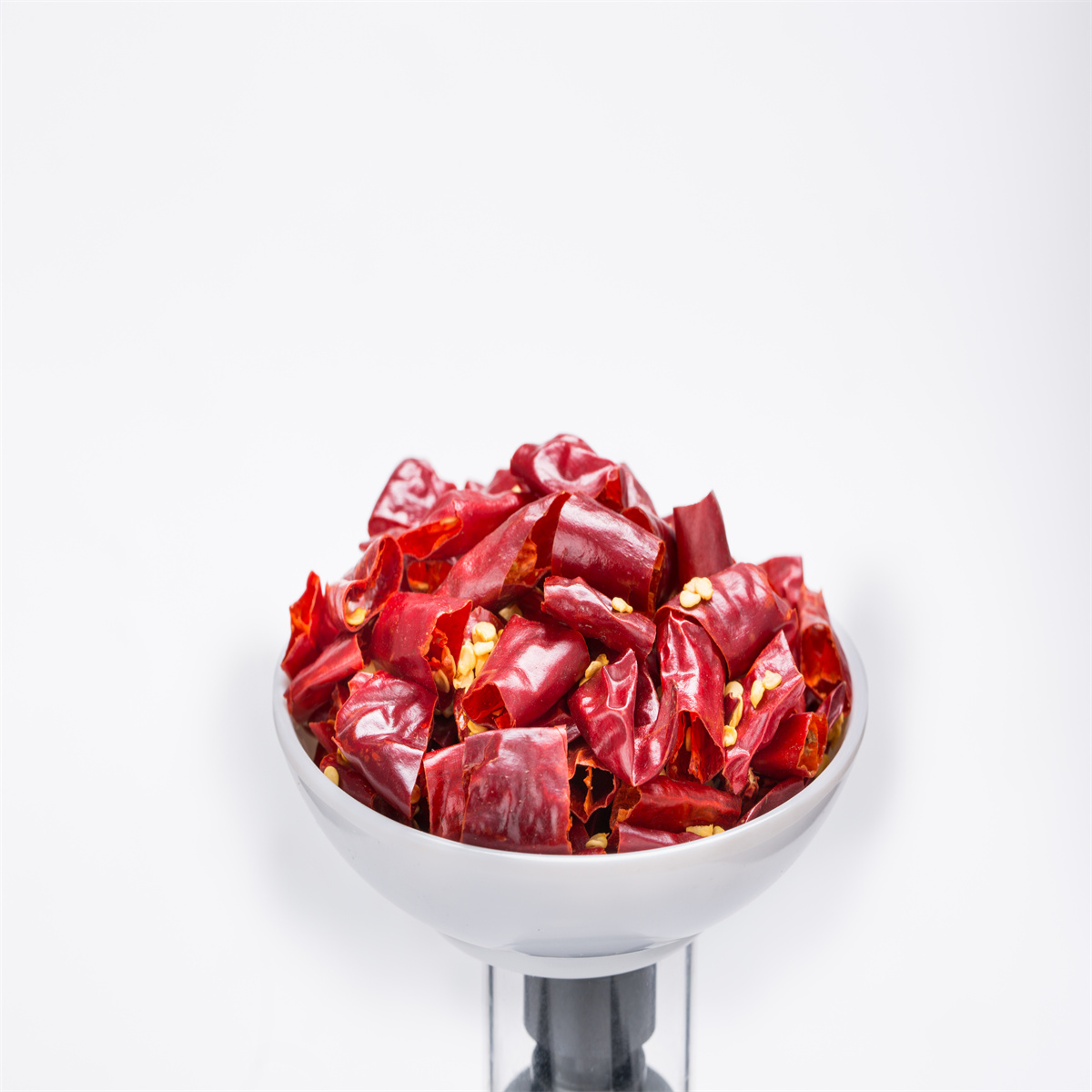
- Clean-label push: no additives; traceable lots.
- Customization: dial in length and seed ratio for your process.
- Consistent SHU: fewer reformulations, steadier sensory results.
To be honest, the category’s crowded. But Tianying’s balance of quality control and flexibility is, well, practical. And in spice sourcing, practical wins.
References
- ASTA Analytical Methods, including Method 21.3 (HPLC Capsaicinoids).
- ISO 4833-1:2013 (Microbiology of the food chain — Colony count), ISO 6579 (Salmonella), ISO 21527-2 (Yeasts and molds).
- AOAC 999.10 (Aflatoxins in Foods) and related methods.
- Codex Alimentarius CXS 326-2017 (General Standard for Spices and Culinary Herbs).
-
Discover Famous Paprika Powder Made Of: Origins, Quality & Global Uses
NewsDec.03,2025
-
Discovering Famous Spicy Pepper Powder: Global Uses, Benefits & Trends
NewsDec.03,2025
-
Understanding Famous Mild Dried Chilis: Global Uses, Benefits & Varieties
NewsDec.03,2025
-
Comprehensive Guide to ODM Ground Red Chilis: Quality, Applications & Trends
NewsDec.02,2025
-
Comprehensive Guide to odm Whole Red Chili: Quality, Applications & Global Impact
NewsDec.02,2025
-
Comprehensive Guide to odm Dried Red Chili Pods – Quality, Uses & Trends
NewsDec.02,2025
 Afrikaans
 Albanian
 Amharic
 Arabic
 Armenian
 Azerbaijani
 Basque
 Belarusian
 Bengali
 Bosnian
 Bulgarian
 Catalan
 Cebuano
 Corsican
 Croatian
 Czech
Czech
 Danish
 Dutch
Dutch
 Esperanto
 Estonian
 Finnish
 French
 Frisian
 Galician
 Georgian
 German
 Greek
Greek
 Gujarati
 Haitian Creole
 Hausa
Hausa
 Hawaiian
 Hebrew
 Hindi
Hindi
 Miao
Miao
 Hungarian
 Icelandic
 Igbo
Igbo
 Indonesian
 Irish
Irish
 Italian
 Japanese
 Javanese
 Kannada
 Kazakh
 Khmer
Khmer
 Rwandese
 Korean
 Kurdish
 Kyrgyz
 Lao
Lao
 Latin
Latin
 Latvian
 Lithuanian
 Luxembourgish
 Macedonian
 Malgashi
 Malay
Malay
 Malayalam
 Maltese
 Maori
Maori
 Marathi
 Mongolian
 Myanmar
 Nepali
 Norwegian
 Norwegian
 Occitan
 Pashto
 Persian
 Polish
 Portuguese
 Punjabi
 Romanian
 Russian
 Samoan
 Scottish Gaelic
 Serbian
 Sesotho
 Shona
Shona
 Sindhi
 Sinhala
 Slovak
 Slovenian
 Somali
 Spanish
 Sundanese
 Swahili
 Swedish
 Tagalog
 Tajik
Tajik
 Tamil
Tamil
 Tatar
Tatar
 Telugu
 Thai
Thai
 Turkish
 Turkmen
 Ukrainian
 Urdu
Urdu
 Uighur
 Uzbek
Uzbek
 Vietnamese
 Welsh
Welsh
 Bantu
Bantu
 Yiddish
 Yoruba
 Zulu
Zulu
 English