
LONGYAO COUNTY XURI FOOD CO.,LTD.
Oct . 07, 2025 09:10 Back to list
chili crushed-80 for Consistent Heat: Clean, Bulk, 000SHU?
What 80,000 SHU Really Tastes Like: A Field Note on Pro-Grade Crushed Chili
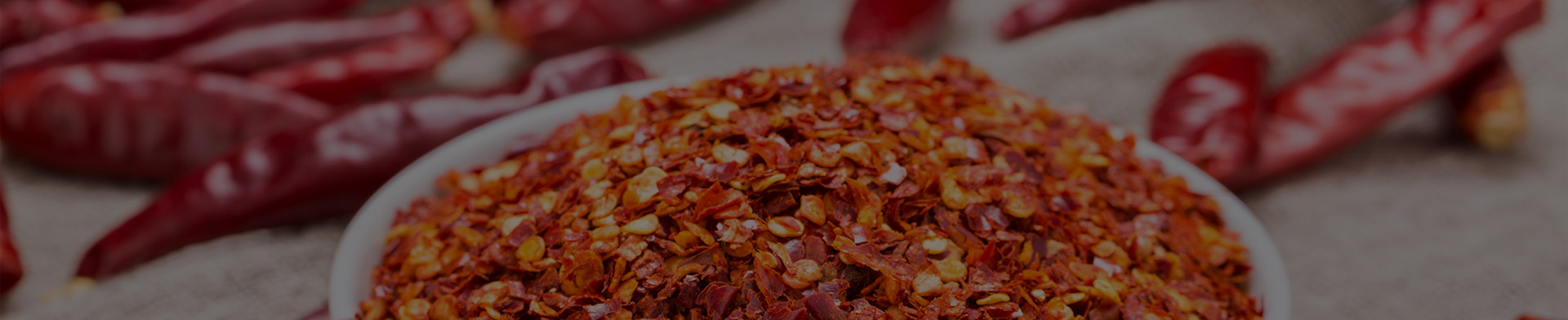
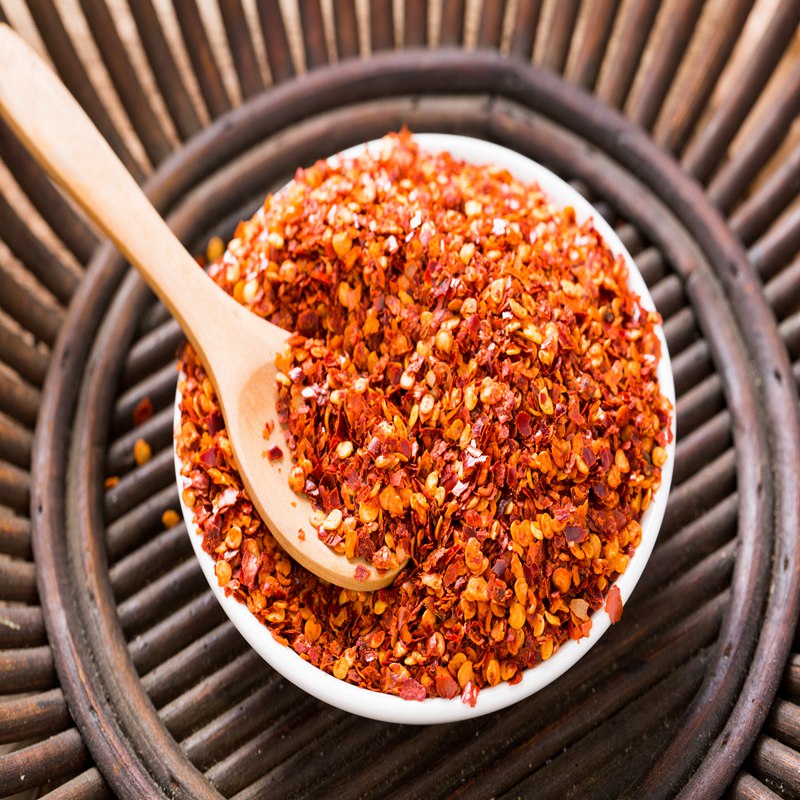
If you’re shopping for serious heat that behaves predictably in a kitchen or a production line, chili crushed-80 is the reference point chefs keep recommending to me. It’s made in a tightly run facility at SOUTH OF ROAD, 2 KMS EAST OF LONGYAO COUNTY, HEBEI, CHINA—an area with a long chili-processing tradition and, frankly, a reputation for getting uniformity right. The batch I toured clocked in at ≈80,000 Scoville Heat Units (SHU), which is assertive but not reckless.
Why this matters now
Spice demand is climbing in snack R&D, plant-based, and QSR limited-time offers. The trend isn’t just “hotter”; it’s “hotter with control.” Brands want repeatable heat curves, clean labels, and reliable micro counts. That’s where chili crushed-80 sits—repeatable intensity, stable color, and tight moisture specs that behave in frying, baking, or retort. Many customers say it’s the “set-and-forget” pepper flake for scaling recipes across regions.
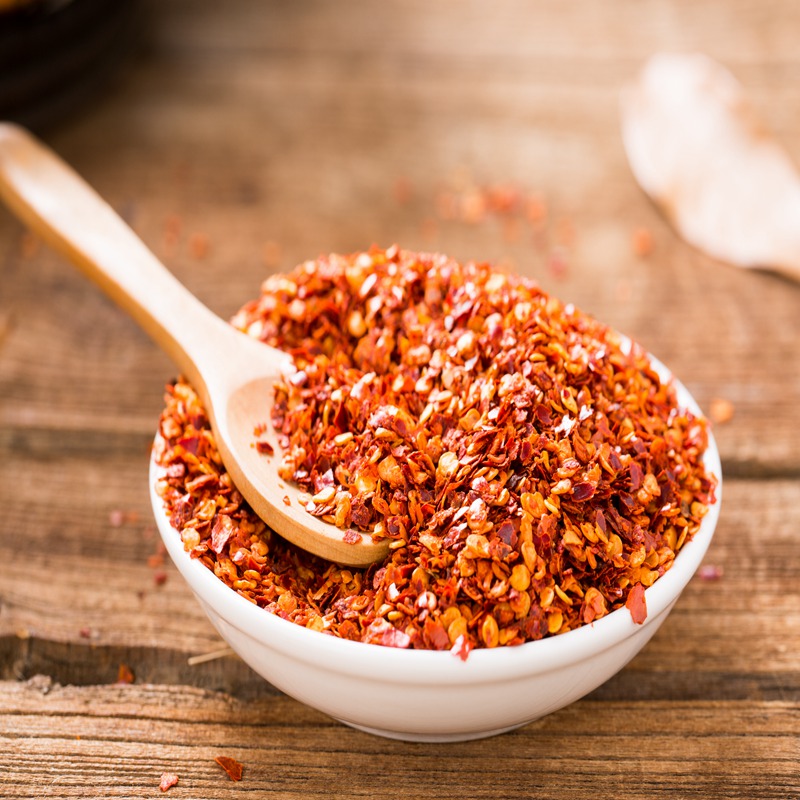
Product snapshot: chili crushed-80, 80,000 SHU
| Heat (SHU) | ≈80,000 (HPLC per ASTA 21.3; real-world use may vary ±10%) |
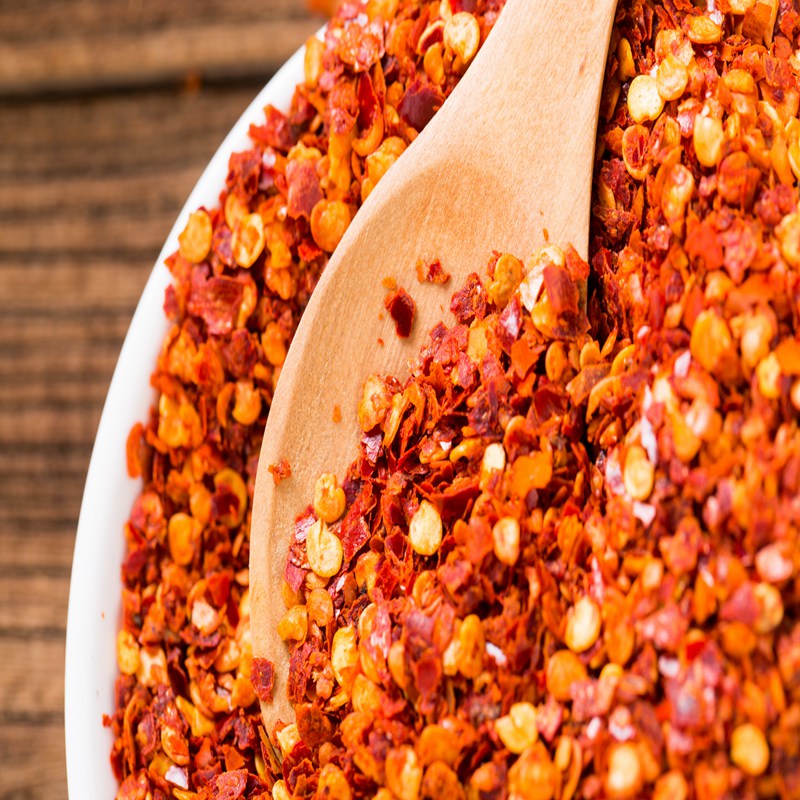
| Cut size | 3–5 mm flakes, screened for uniformity |
| Moisture | ≤12% |
| Color (ASTA) | ≈70 |
| Micro | TPC ≤ 100,000 cfu/g; Salmonella absent/25 g; E. coli <10 cfu/g |
| Contaminants | Aflatoxin compliant with EU/US limits; Sudan dyes not detected |
| Shelf/service life | 24 months sealed, cool/dry (≤20°C, RH ≤65%) |
| Packaging | 25 kg food-grade bags with inner liner; lot-coded, batch COA |
How it’s made (short version)
- Materials: Selected Capsicum annuum pods (high-capsaicinoid lines); seed ratio tuned for bite.
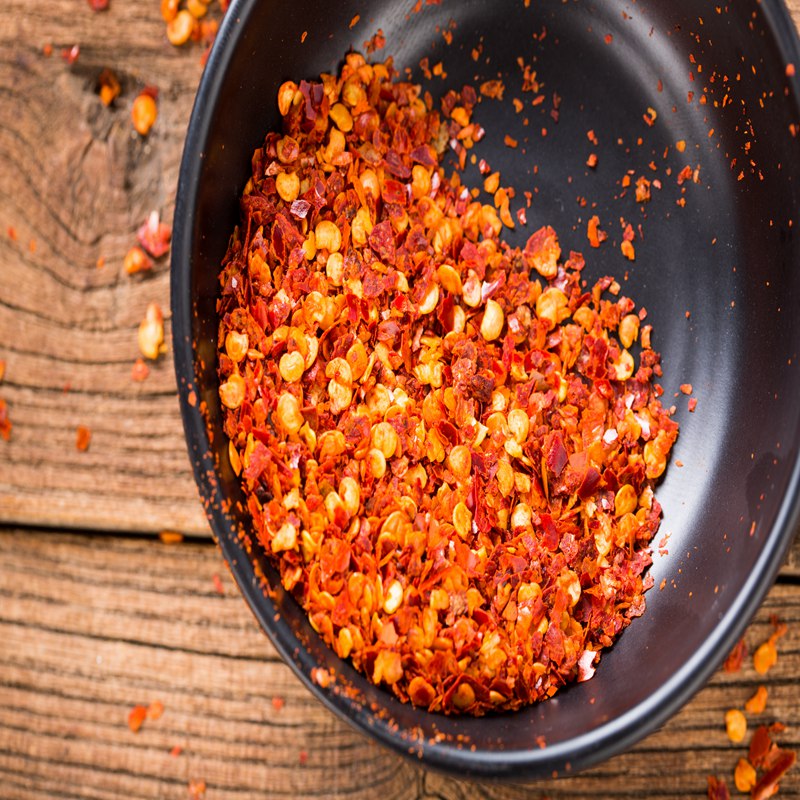
- Methods: Destemming, washing, air-drying at controlled temps, metal detection, crush and sieve, optical sorting, final blending.
- Testing standards: SHU by HPLC (ASTA 21.3); micro per ISO methods; color per ASTA; contaminants per EU/US regs.
- Industries: Food service, snack & noodle manufacturing, chili oil plants, jerky and cured meats, meal kits.
Applications, with real-world notes
- Chili oil and Lao Gan Ma–style condiments: consistent bloom in 160–190°C oil; no bitter tail when tempered properly.
- Coatings and snacks: flakes adhere well in batter and post-fry dusting; color holds in hot-hold cabinets.
- Sauces and ramen bases: heat integrates steadily; easy to scale per liter without spike
Customer feedback, paraphrased: “Predictable kick, fewer hot spots in kettle batches.” Another buyer told me, “Surprisingly clean aroma—no mustiness,” which, to be honest, is what you want to hear.
Vendor comparison (what buyers usually check)
| Vendor | Certifications | Uniformity/Heat | Lead time | Customization |
|---|---|---|---|---|
| Xuri (this product) | ISO 22000, HACCP; lot COA | High—80k SHU ± tight bands | ≈10–15 days | Cut size, SHU, seed ratio, oil-bloom profile |
| General trader A | Varies | Medium; mixed sourcing | ≈20–30 days | Limited |
| Small workshop B | Basic, sometimes none | Variable | Uncertain | Ad hoc |
Customization and QA
chili crushed-80 is offered with tunable SHU bands, 2–6 mm cuts, organic or conventional lots, and low-seed profiles for smoother mouthfeel. Each batch ships with HPLC capsai-cinoid data, ASTA color, micro, and contaminants—handy for audits.

Quick case notes
- Instant noodle plant (SEA): switched to chili crushed-80, cut variance claims by ≈40%, fewer “too hot” returns.
- Jerky producer (EU): held color after 6 months on shelf; aflatoxin results stayed below EU thresholds.
Certifications available upon request: ISO 22000, HACCP; compliance with Codex and relevant EU/US contaminant limits.
Authoritative references
-
Discover Famous Paprika Powder Made Of: Origins, Quality & Global Uses
NewsDec.03,2025
-
Discovering Famous Spicy Pepper Powder: Global Uses, Benefits & Trends
NewsDec.03,2025
-
Understanding Famous Mild Dried Chilis: Global Uses, Benefits & Varieties
NewsDec.03,2025
-
Comprehensive Guide to ODM Ground Red Chilis: Quality, Applications & Trends
NewsDec.02,2025
-
Comprehensive Guide to odm Whole Red Chili: Quality, Applications & Global Impact
NewsDec.02,2025
-
Comprehensive Guide to odm Dried Red Chili Pods – Quality, Uses & Trends
NewsDec.02,2025
 Afrikaans
 Albanian
 Amharic
 Arabic
 Armenian
 Azerbaijani
 Basque
 Belarusian
 Bengali
 Bosnian
 Bulgarian
 Catalan
 Cebuano
 Corsican
 Croatian
 Czech
Czech
 Danish
 Dutch
Dutch
 Esperanto
 Estonian
 Finnish
 French
 Frisian
 Galician
 Georgian
 German
 Greek
Greek
 Gujarati
 Haitian Creole
 Hausa
Hausa
 Hawaiian
 Hebrew
 Hindi
Hindi
 Miao
Miao
 Hungarian
 Icelandic
 Igbo
Igbo
 Indonesian
 Irish
Irish
 Italian
 Japanese
 Javanese
 Kannada
 Kazakh
 Khmer
Khmer
 Rwandese
 Korean
 Kurdish
 Kyrgyz
 Lao
Lao
 Latin
Latin
 Latvian
 Lithuanian
 Luxembourgish
 Macedonian
 Malgashi
 Malay
Malay
 Malayalam
 Maltese
 Maori
Maori
 Marathi
 Mongolian
 Myanmar
 Nepali
 Norwegian
 Norwegian
 Occitan
 Pashto
 Persian
 Polish
 Portuguese
 Punjabi
 Romanian
 Russian
 Samoan
 Scottish Gaelic
 Serbian
 Sesotho
 Shona
Shona
 Sindhi
 Sinhala
 Slovak
 Slovenian
 Somali
 Spanish
 Sundanese
 Swahili
 Swedish
 Tagalog
 Tajik
Tajik
 Tamil
Tamil
 Tatar
Tatar
 Telugu
 Thai
Thai
 Turkish
 Turkmen
 Ukrainian
 Urdu
Urdu
 Uighur
 Uzbek
Uzbek
 Vietnamese
 Welsh
Welsh
 Bantu
Bantu
 Yiddish
 Yoruba
 Zulu
Zulu
 English